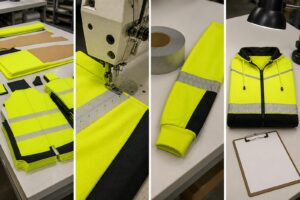


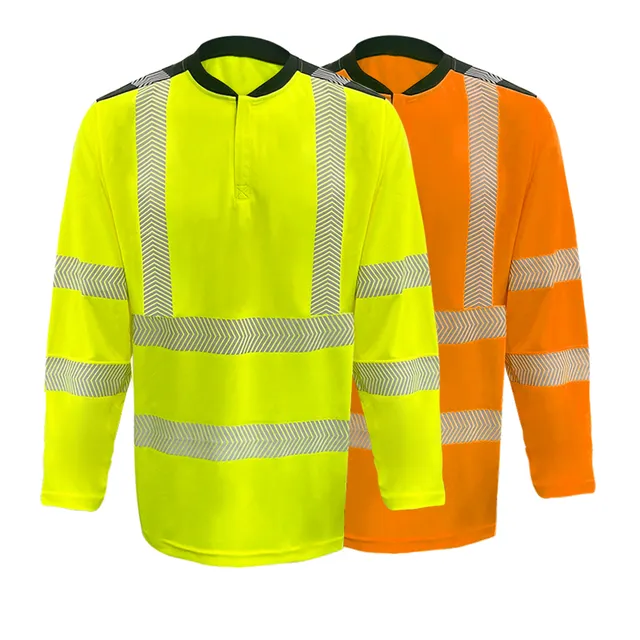
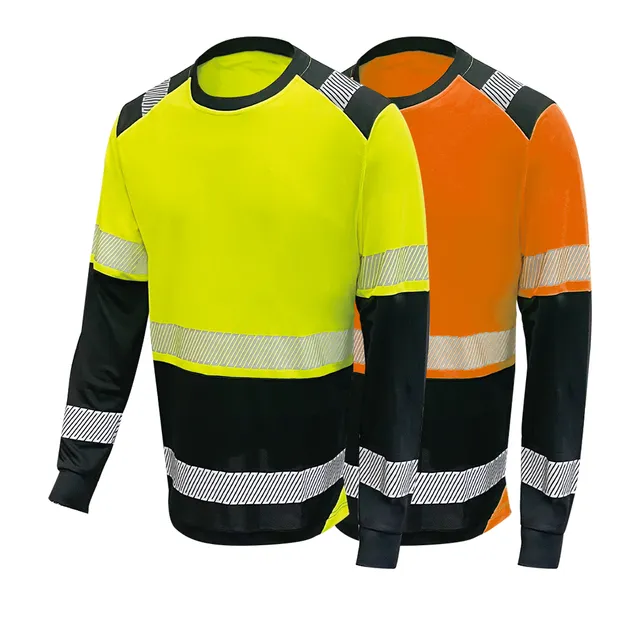
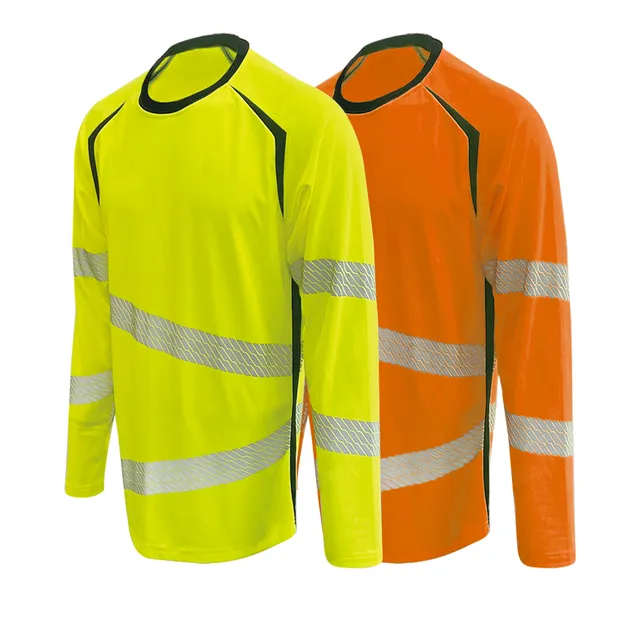
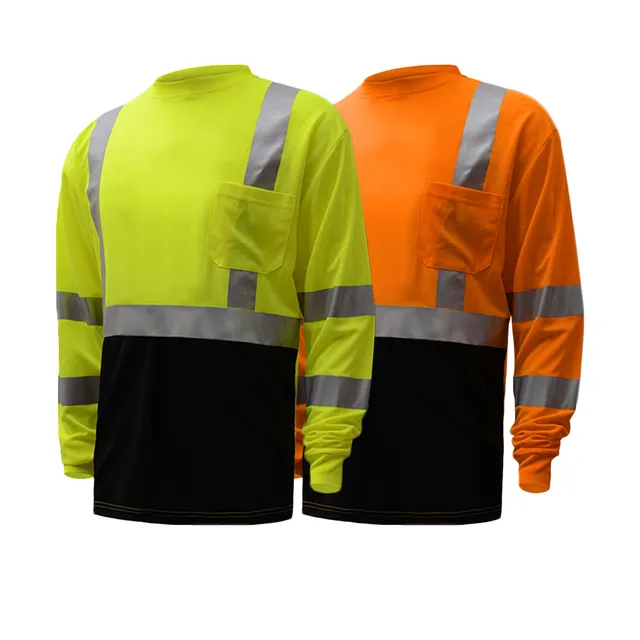
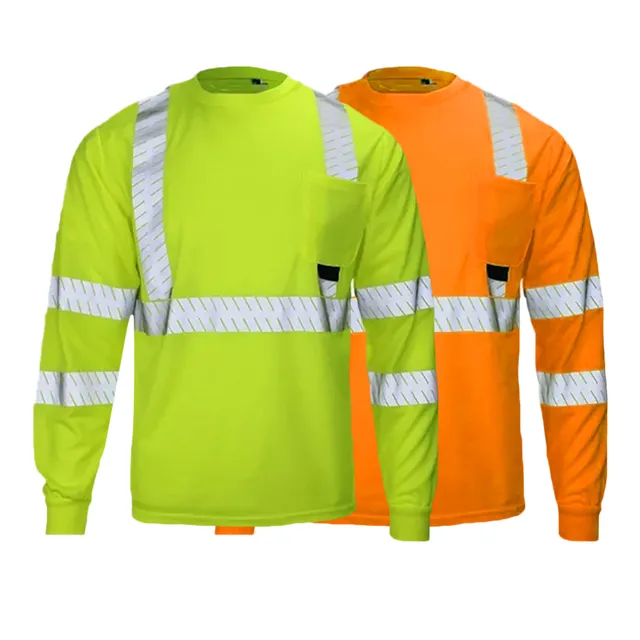

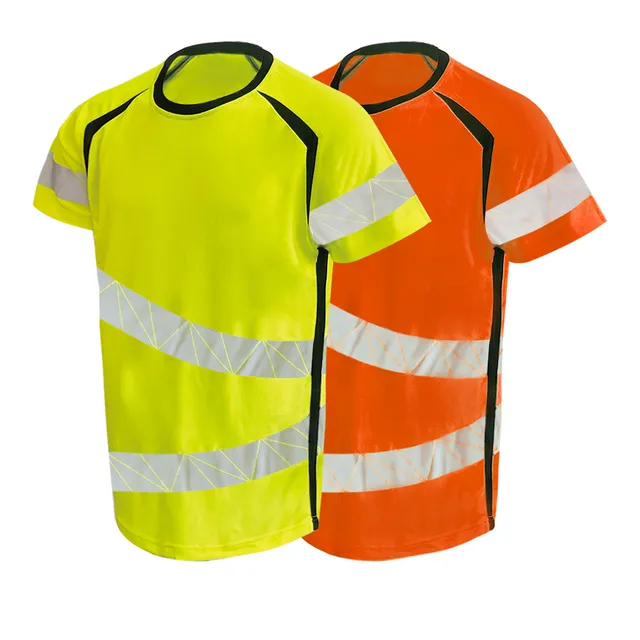

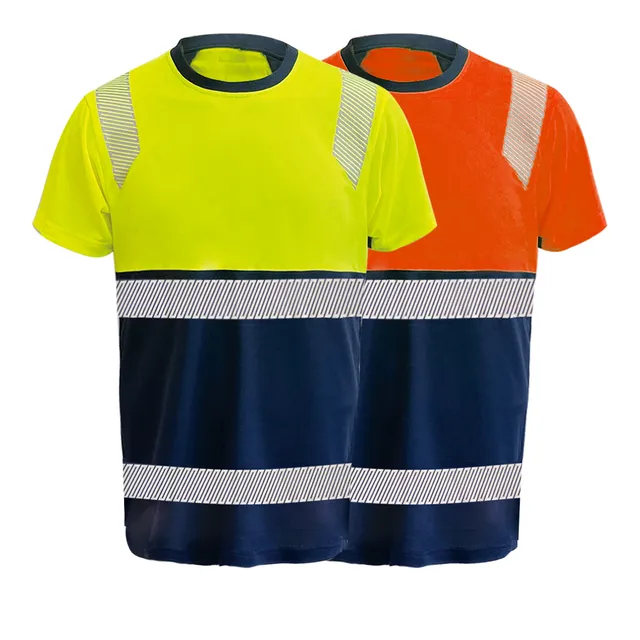
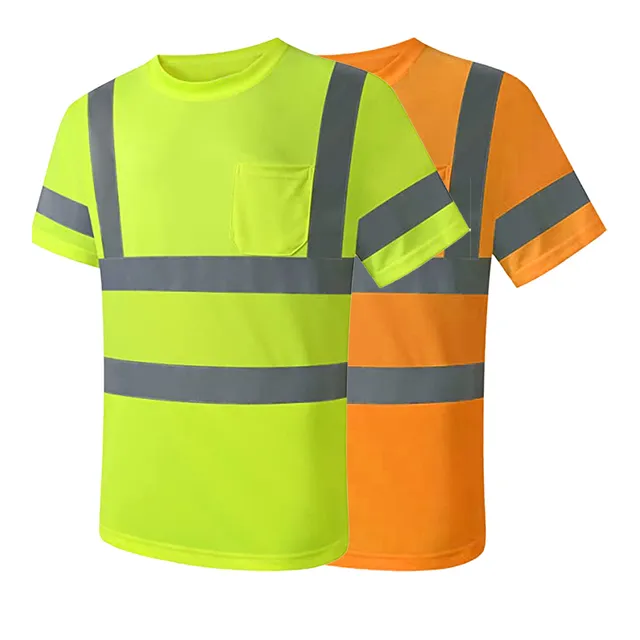


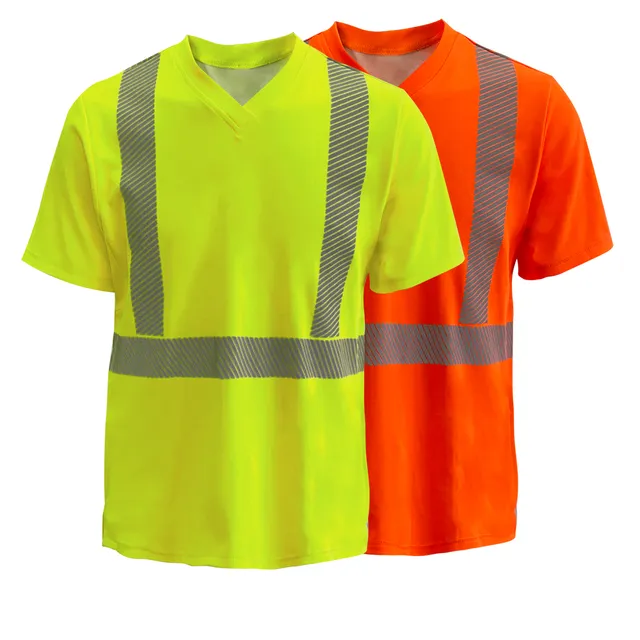
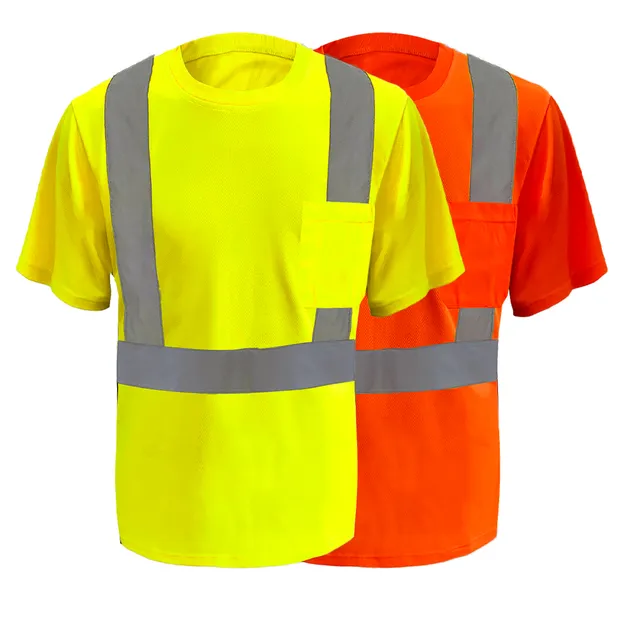


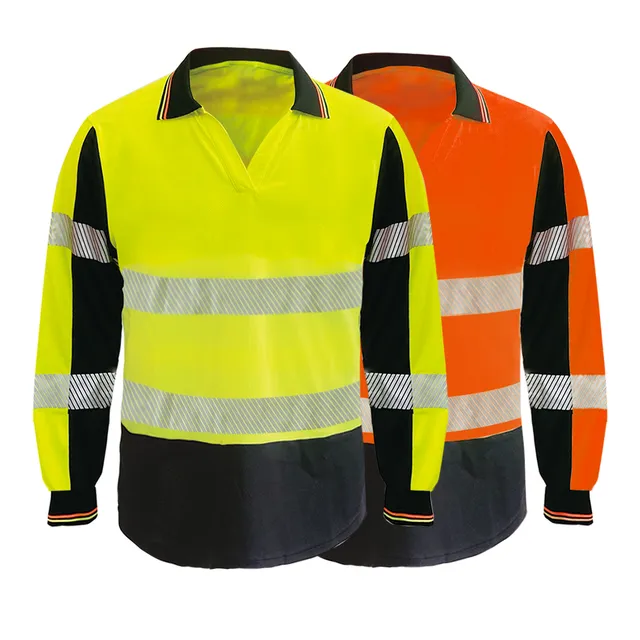
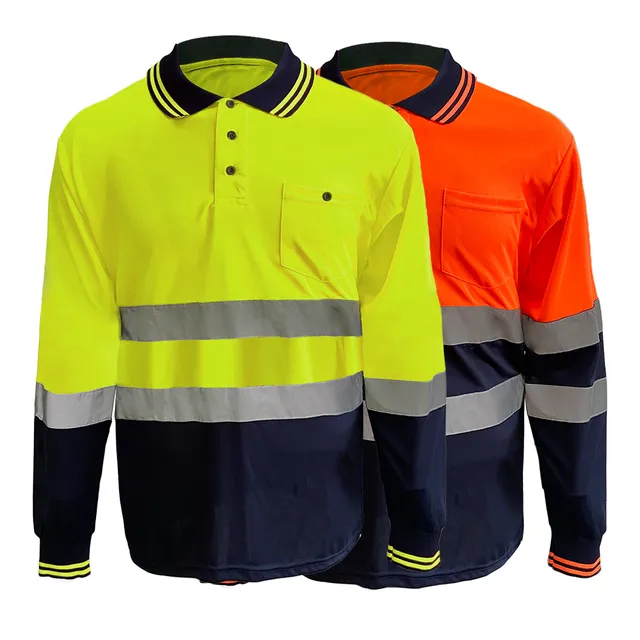
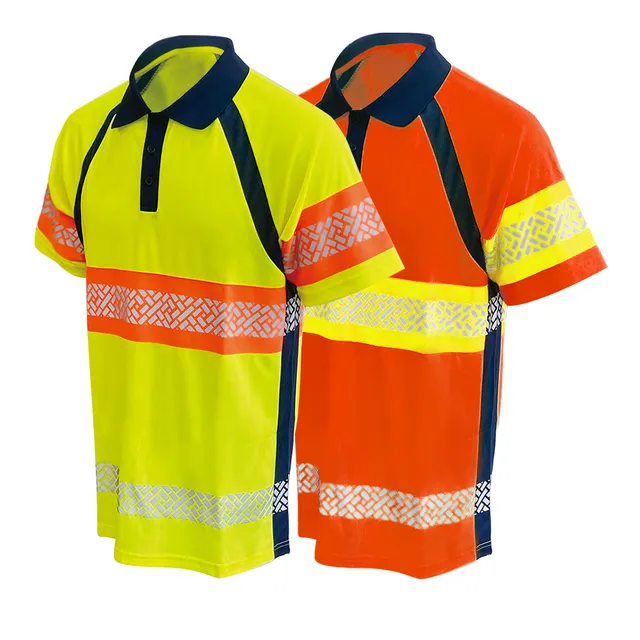
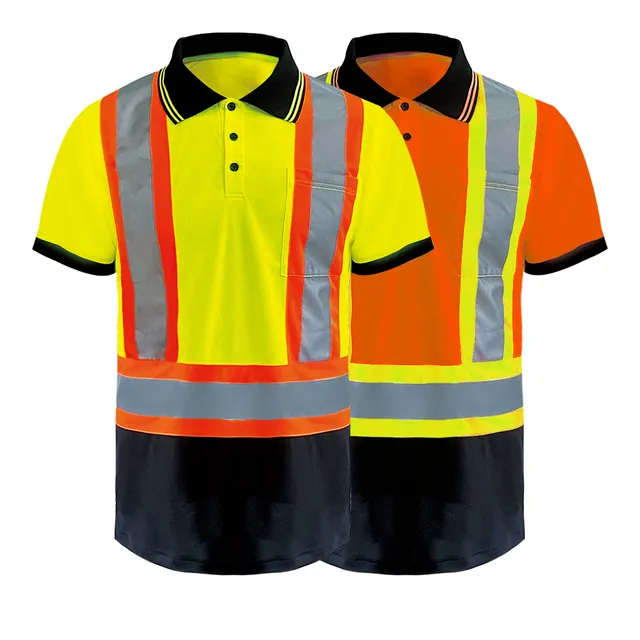
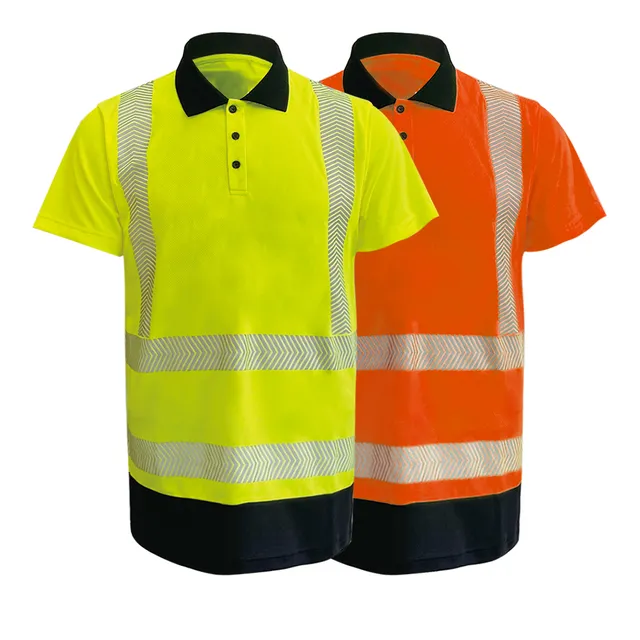

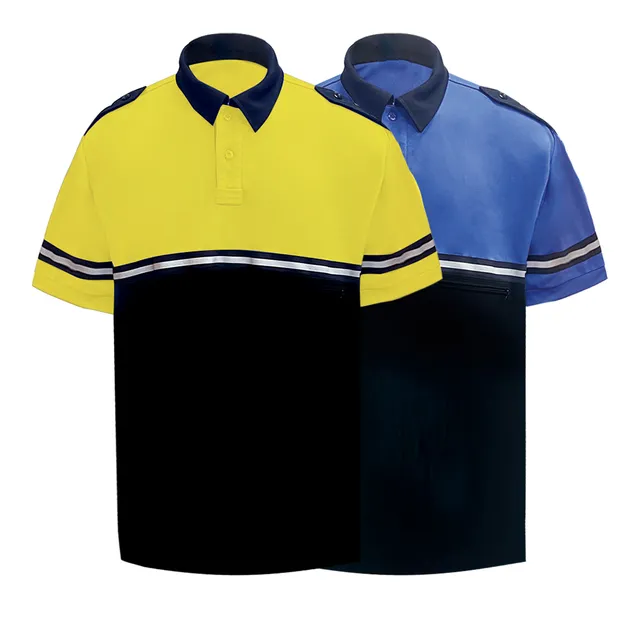


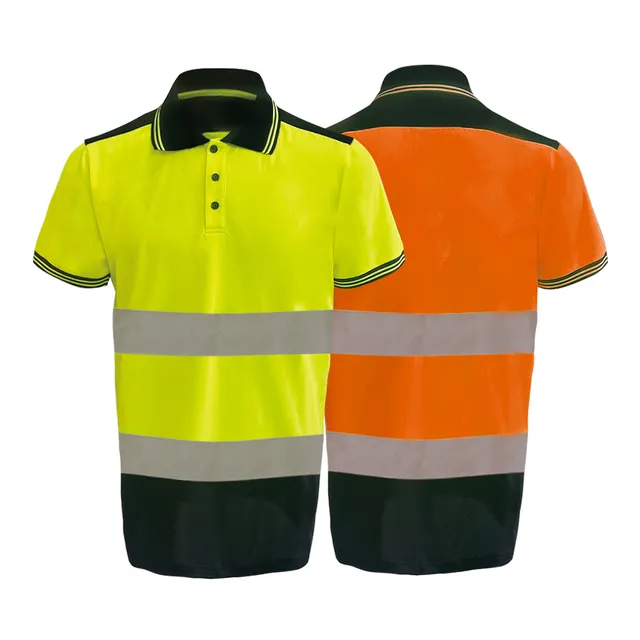


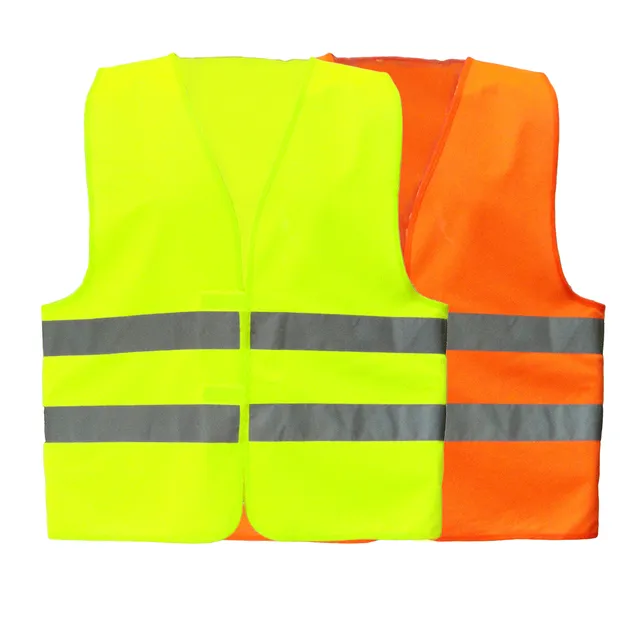

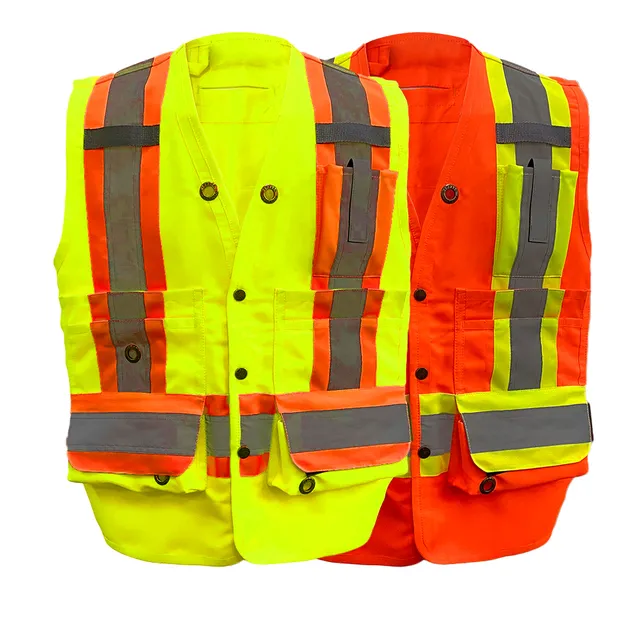
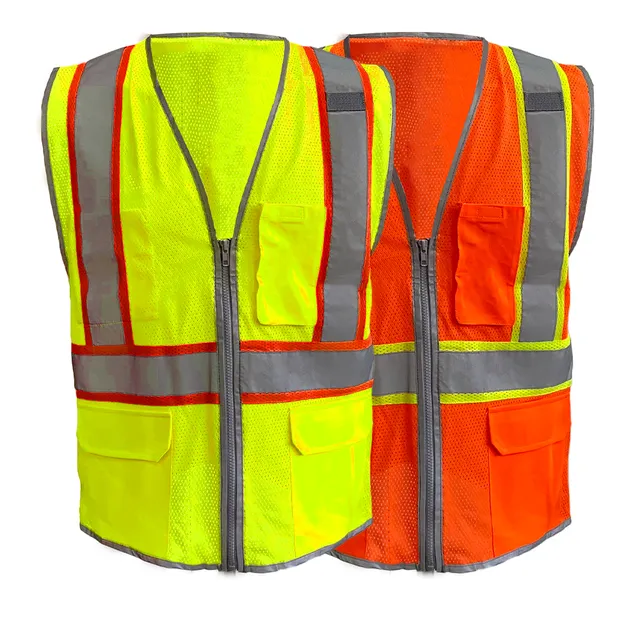
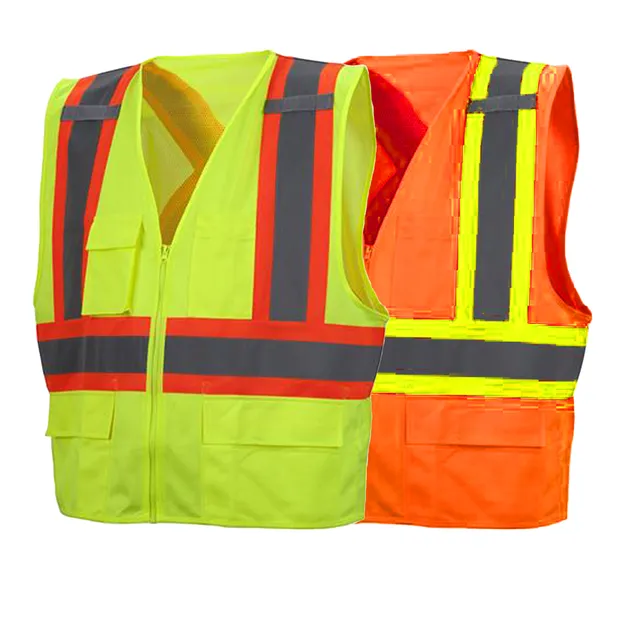
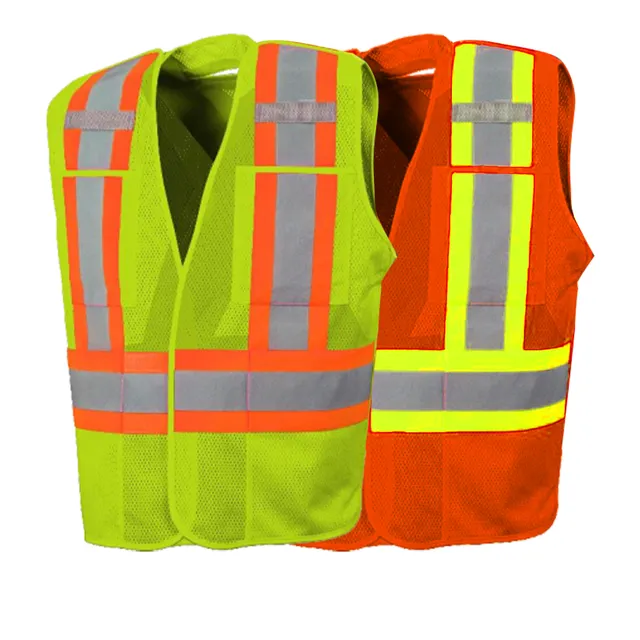

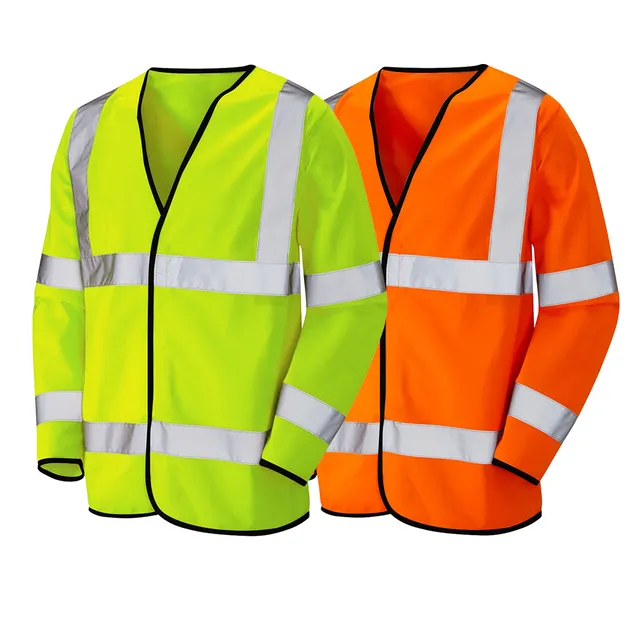
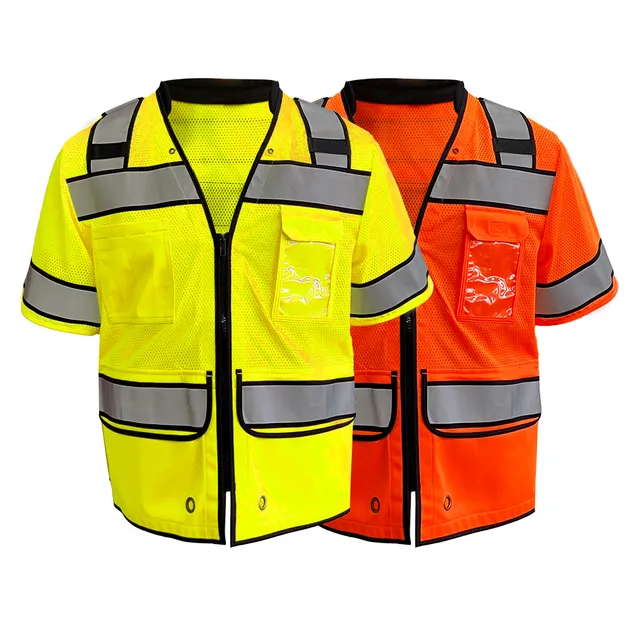
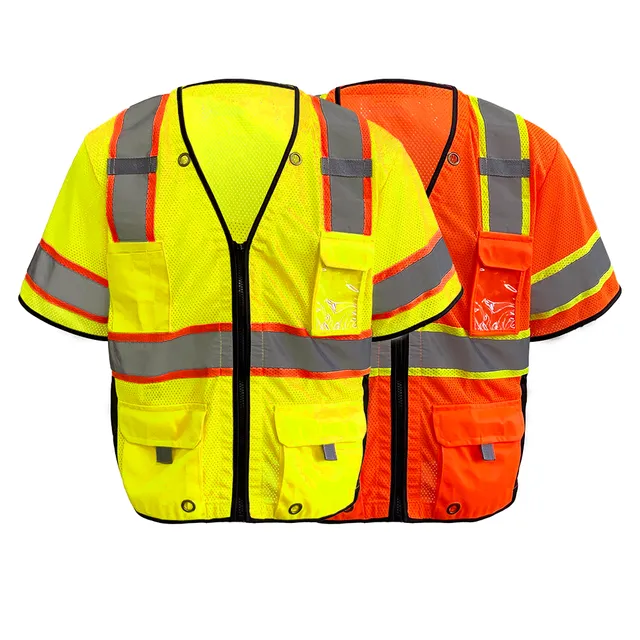
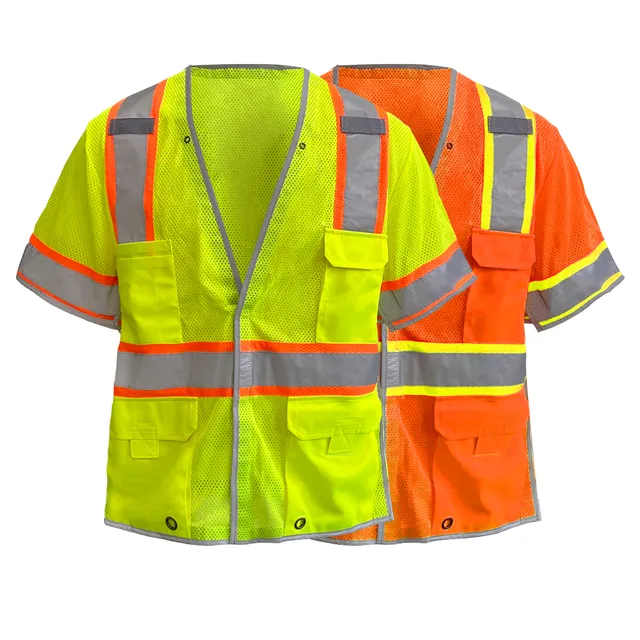
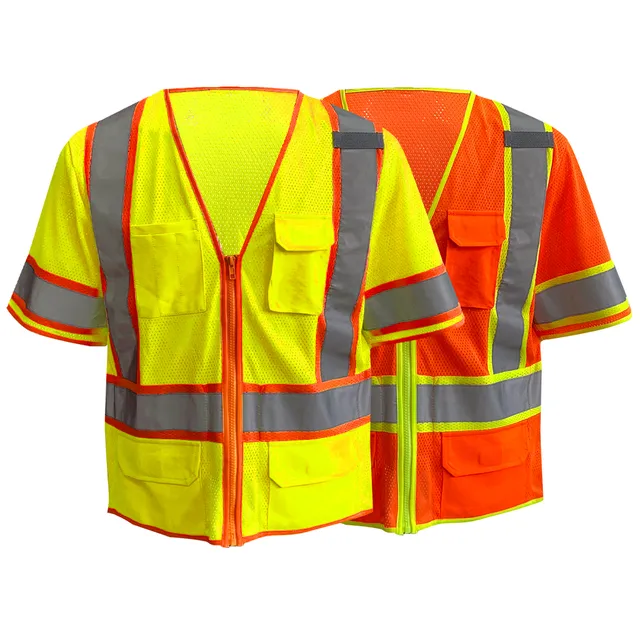
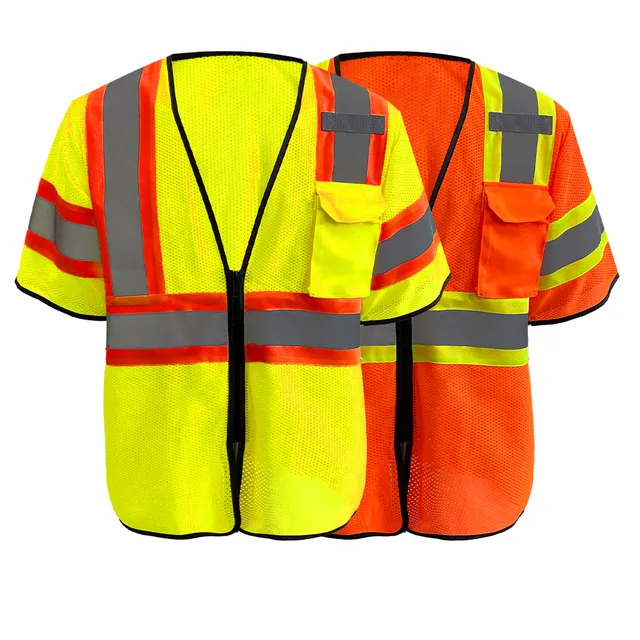
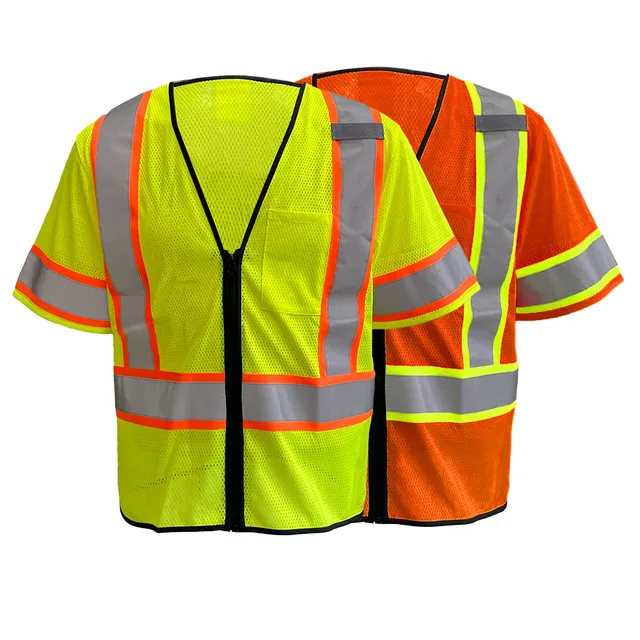

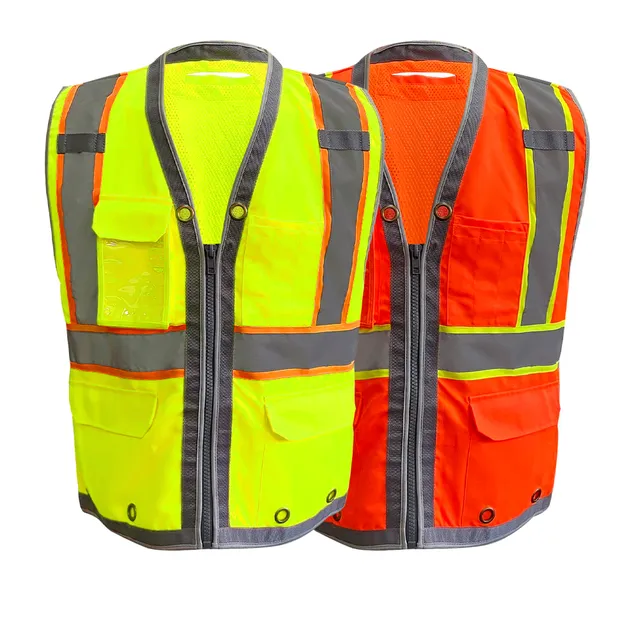
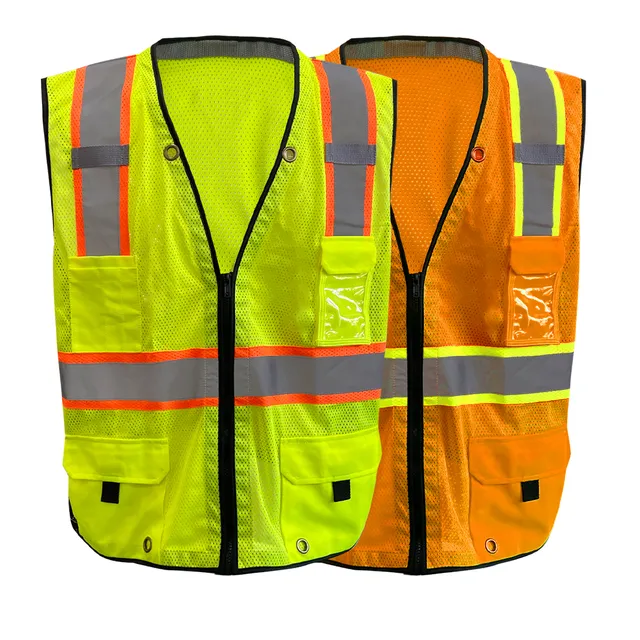
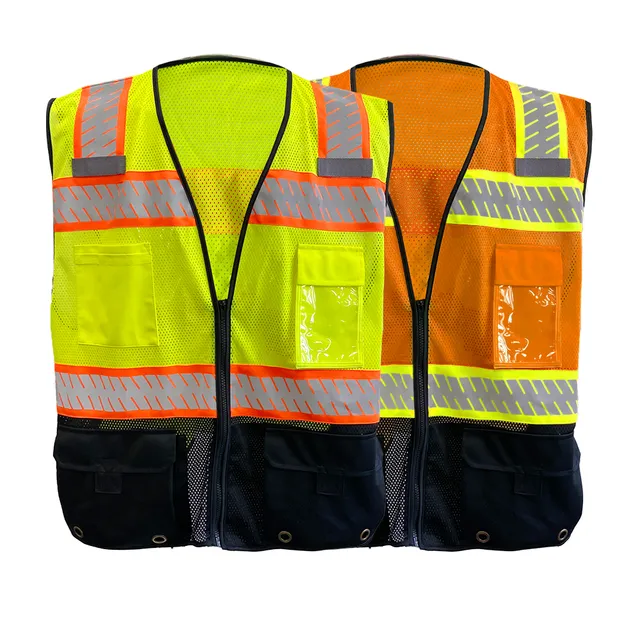
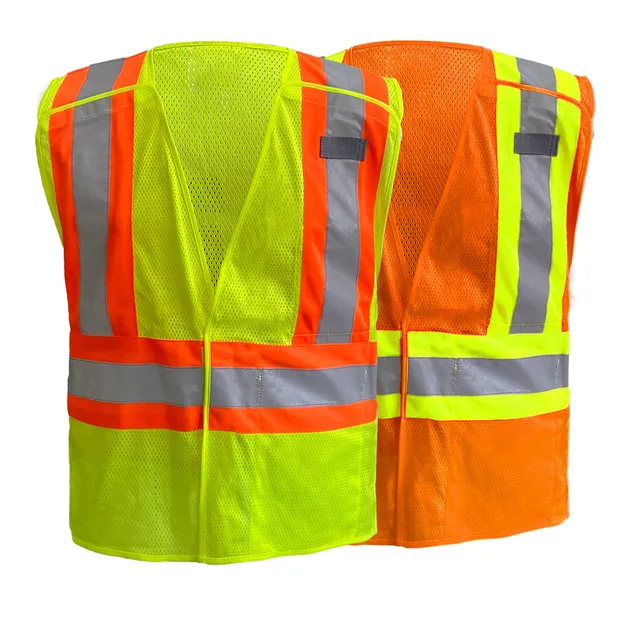
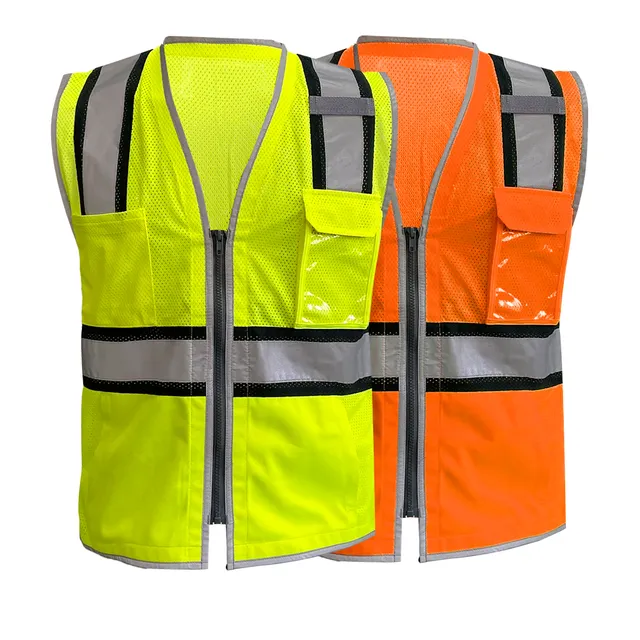
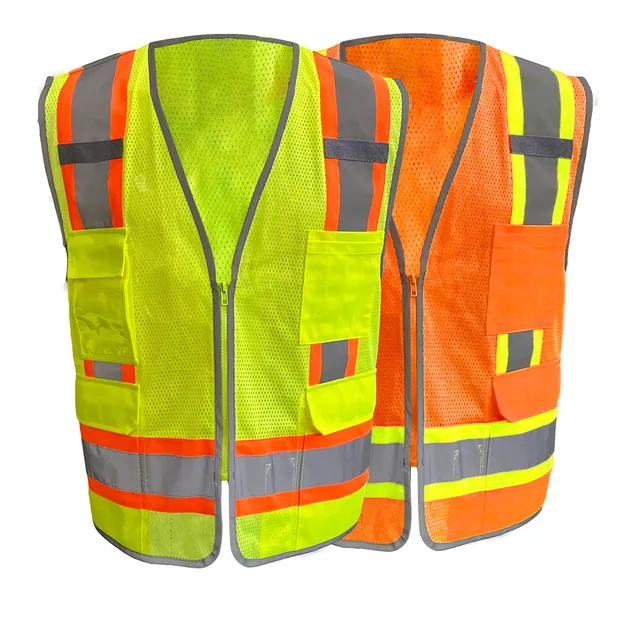
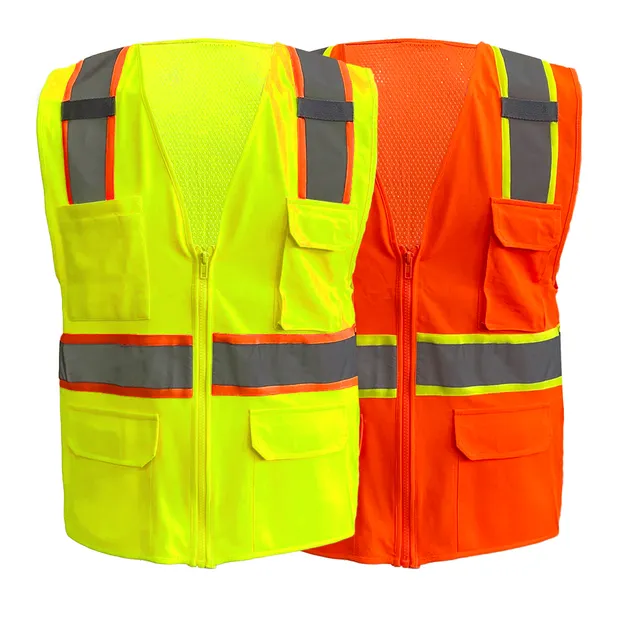
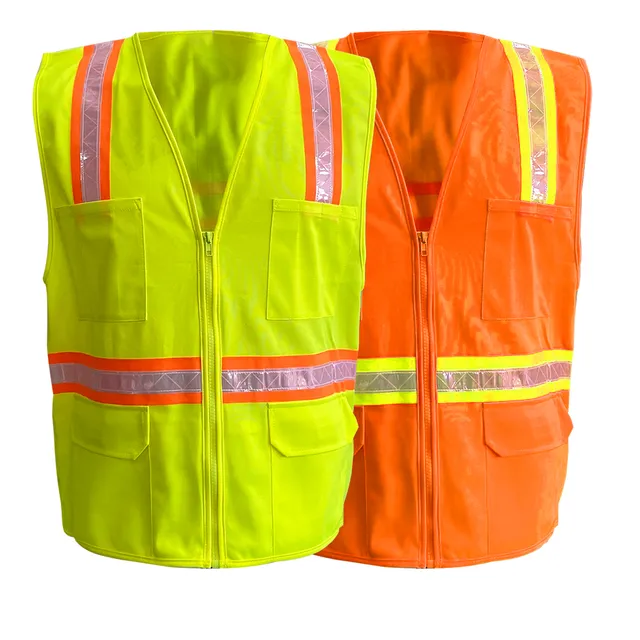
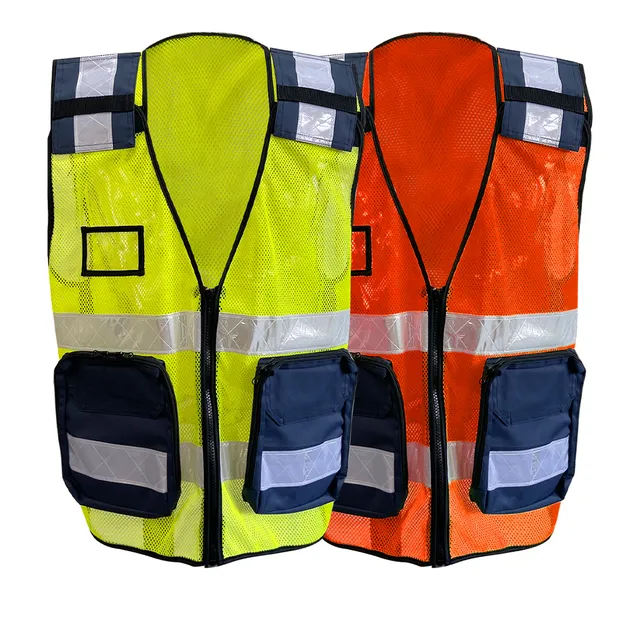
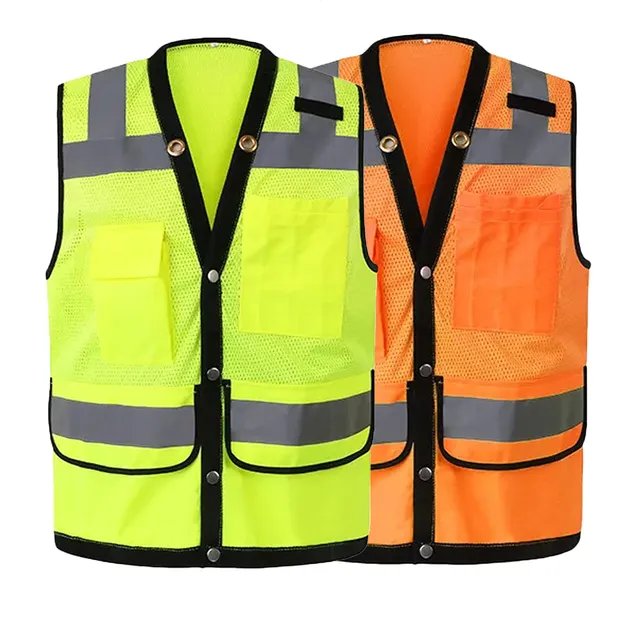
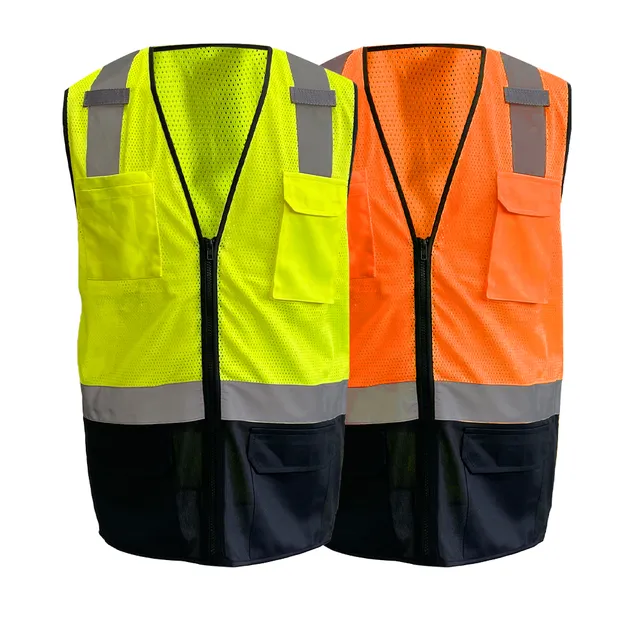
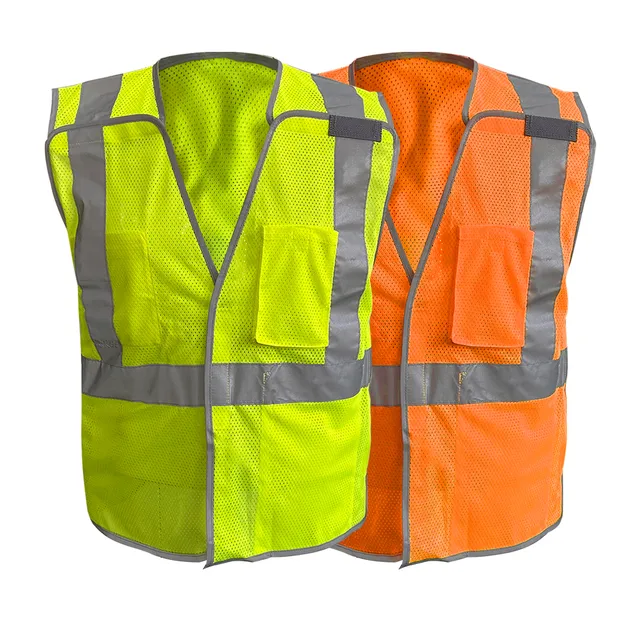
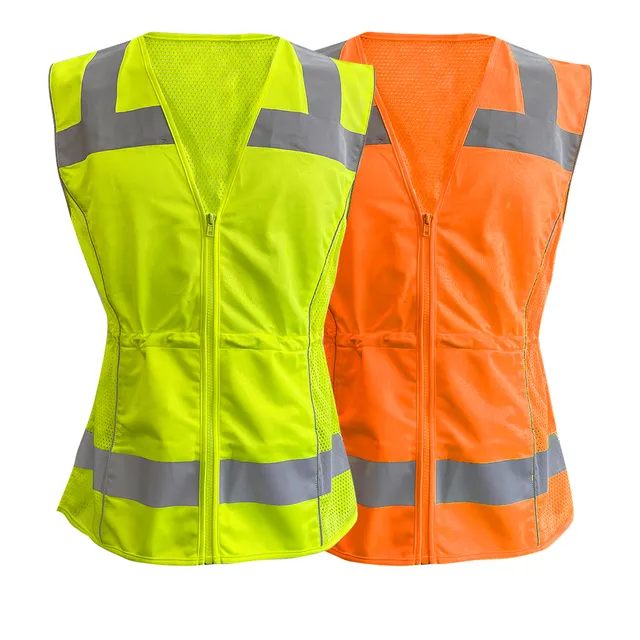
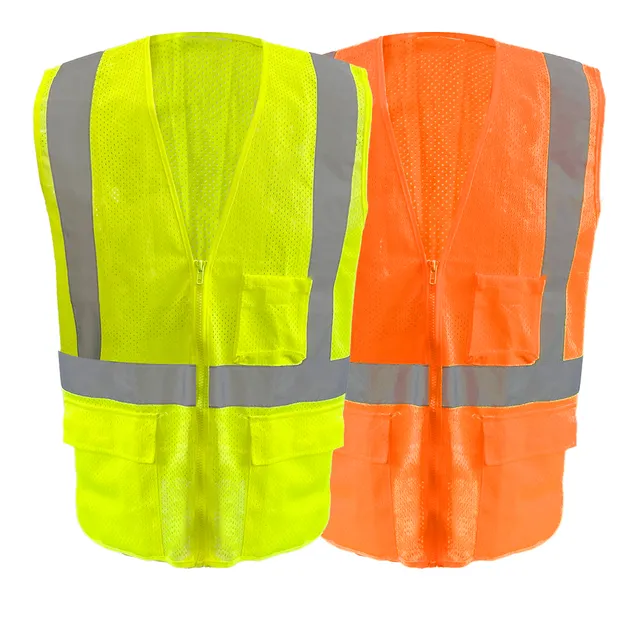
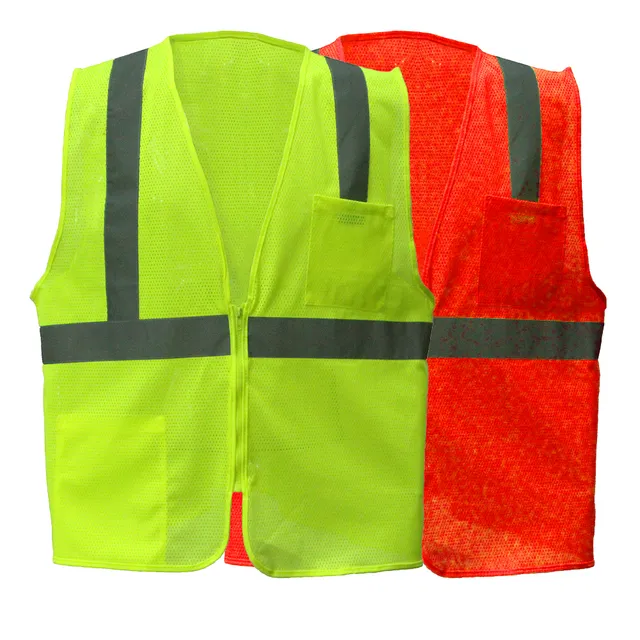


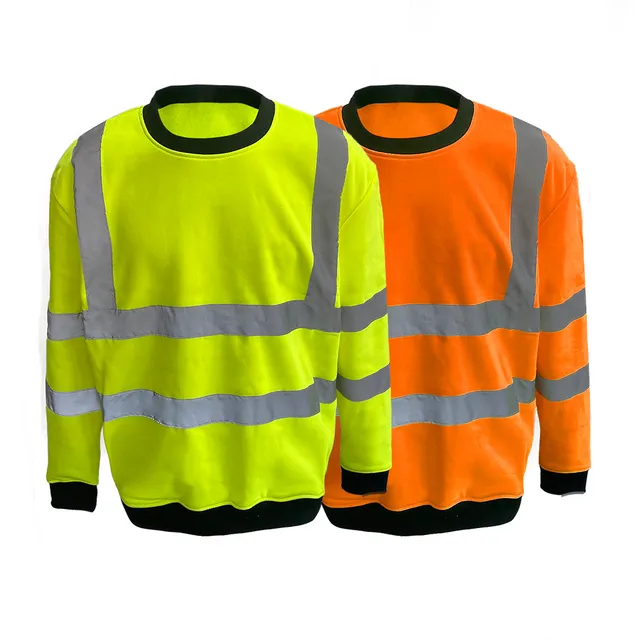
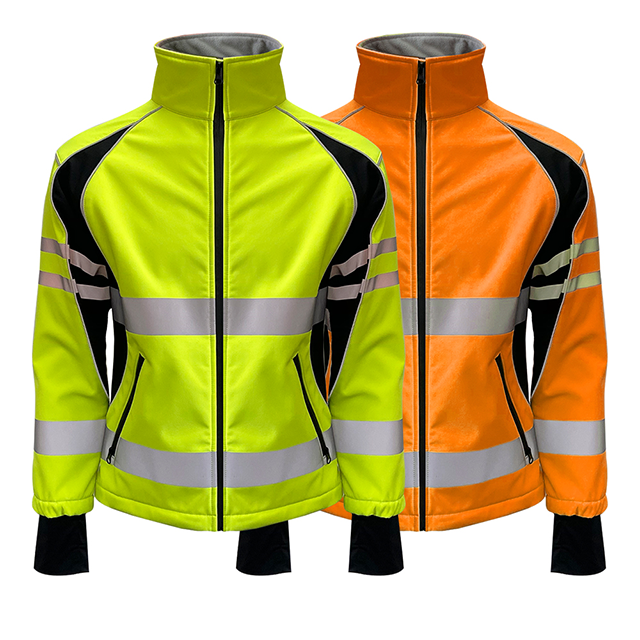


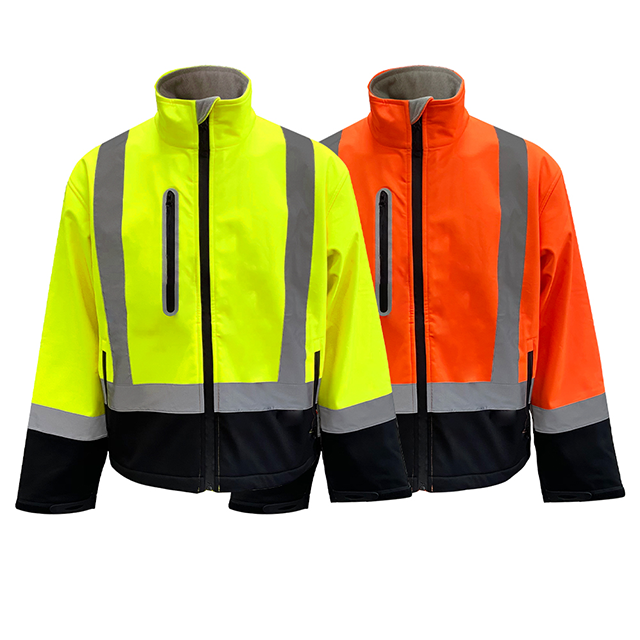

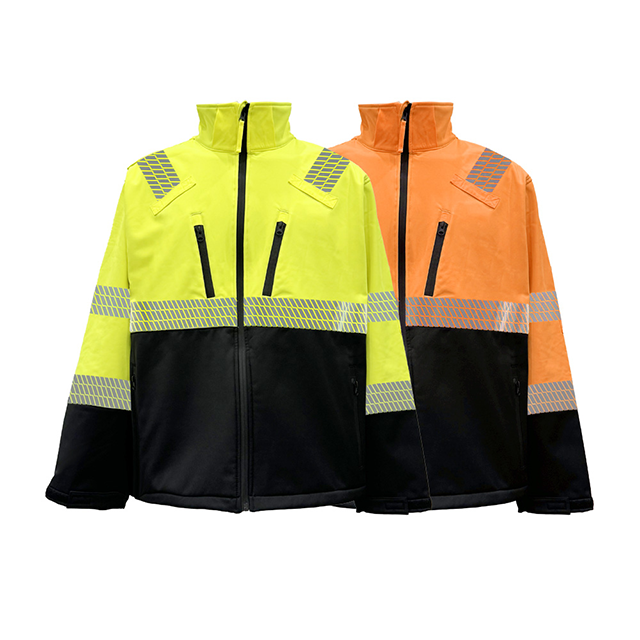


Reflective tape types comparison starts with one split: glass bead tape is the cheaper baseline for most hi-vis specifications, while microprismatic tape returns more light at distance and keeps it in the wet. Neither is better by default — the site specification decides.
Reflective Tape Types Comparison: What Actually Differs
Both tapes are retroreflective: light from a headlight comes back toward the driver instead of scattering. The difference is the optics inside the tape, and it shows up in distance, entry angle and rain.
| Reflective tape types comparison | Glass bead tape | Microprismatic tape |
|---|---|---|
| Construction | Glass microspheres in a resin layer over a reflective backing | Moulded cube-corner prisms sealed behind a clear film |
| Light return at distance | Strong at short range, falls off as the viewer moves back | Holds a higher return at long range and off-axis |
| Wet weather | A water film on the bead layer cuts the return | Sealed prism face keeps more of its return |
| Wash and flex | Survives repeated washing, can crack when flexed cold | Flexes well, abrasion and creasing are the weak points |
| Typical use | Site and warehouse vests, shirts, jackets | Highway, rail and night work seen from further away |
| Cost | Lower, which shows on high-volume programs | Higher per metre, usually a specified upgrade |
How Each Tape Returns Light
In glass bead tape, glass microspheres sit in a resin layer above a reflective backing. Light enters a bead, reflects off the backing and exits toward the source. The bead layer is the optical surface, so soil and water sit right on it.
Microprismatic tape uses moulded cube-corner prisms behind a clear film, and total internal reflection does the work. That face keeps more of its return when viewed off-axis, at several hundred metres, or while wet.
Where Each Type Belongs on the Garment
Match the tape to how the garment will be seen, not to the price list.
- Site and warehouse work: 50 mm glass bead bands cover most Class 2 vests and shirts at the lowest cost.
- Highway and rail work: specify microprismatic where drivers approach from several hundred metres and rain is routine.
- Band layout: continuous on flat panels, segmented across shoulders and side seams so it flexes instead of cracking.
- Area, not width: EN ISO 20471 Class 2 needs 0.13 m² of retroreflective material against 0.20 m² for Class 3.
Our Class 2 vs Class 3 breakdown lists the areas per class, and our EN ISO 20471 vs ANSI 107 comparison shows how each market writes the same requirement.
What to Check Before You Approve the Tape
Ask for the tape grade by name and the test report line that covers it. Most substitutions are invisible on a roll: the sample carries the right tape, the bulk order a lighter grade of the same colour.
Check wash data against your care label, because reflective tape washing durability depends on tape construction and wash method. ANSI/ISEA 107-2026, the current edition, also updated the laboratory test references for reflectivity to current AATCC, ASTM and ISO methods, so the edition on the specification matters.
Want your reflective tape types comparison checked before you order?
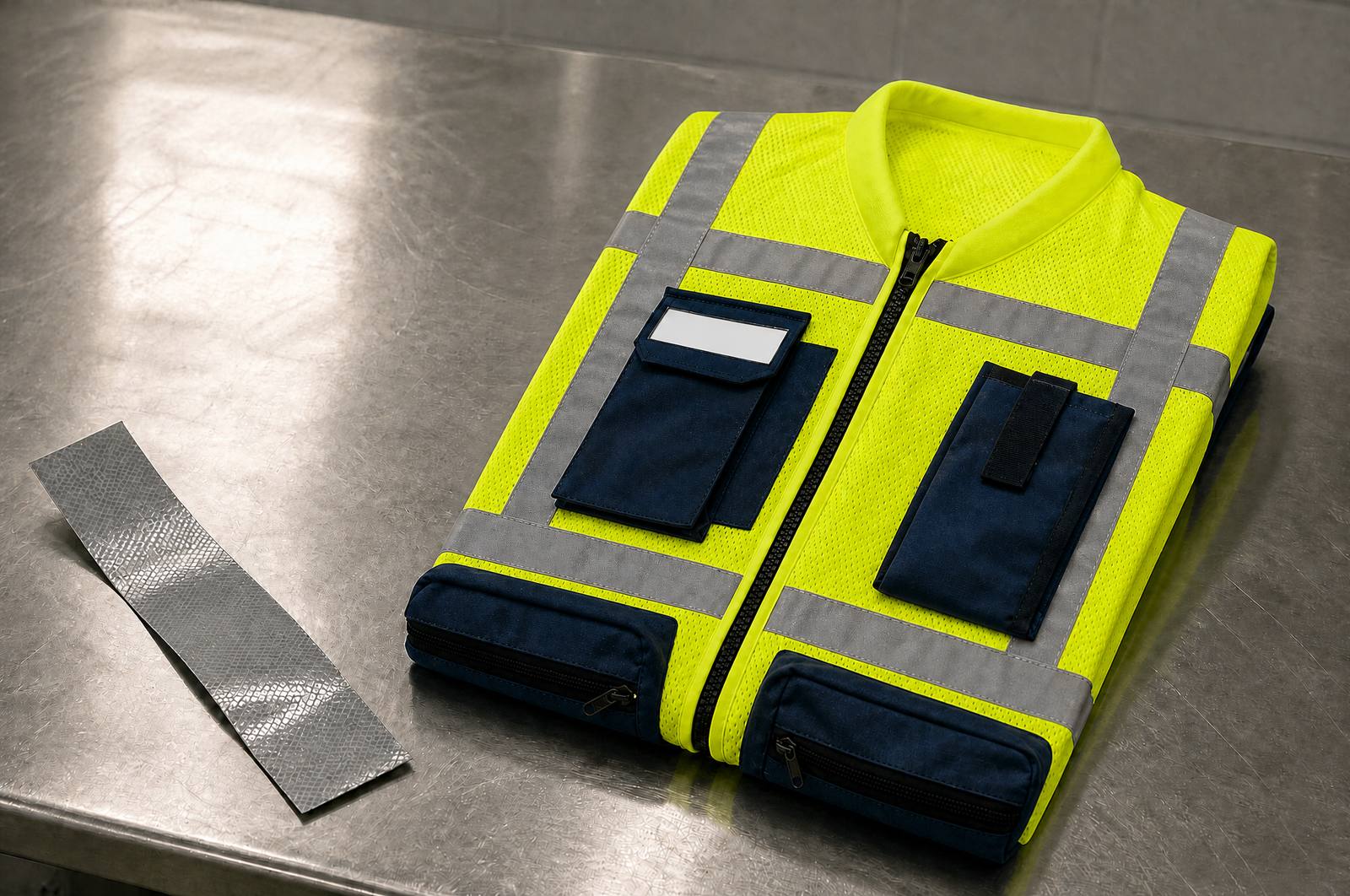
Send the class, tape type, band layout and destination market and we will confirm the build that meets it. Our GV06 multi-pocket vest runs on either tape, with bands set to your specification. MOQ and lead time are quoted as a range.
Or send your specification and we will return the tape grade, band layout and a price band.