


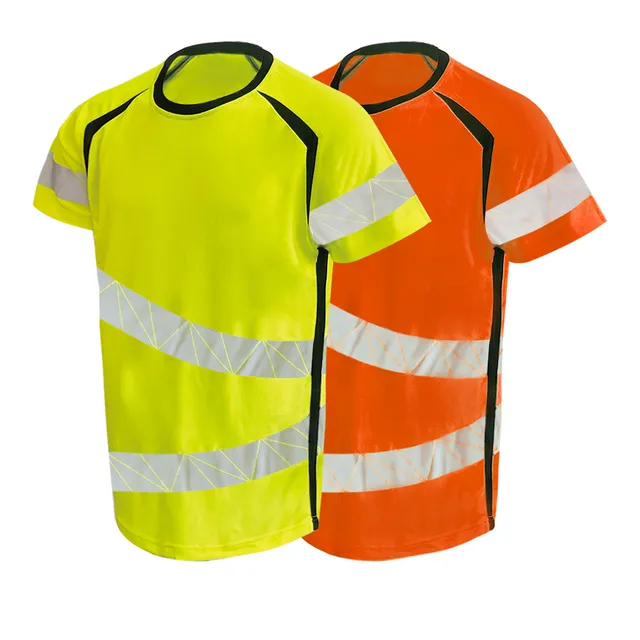

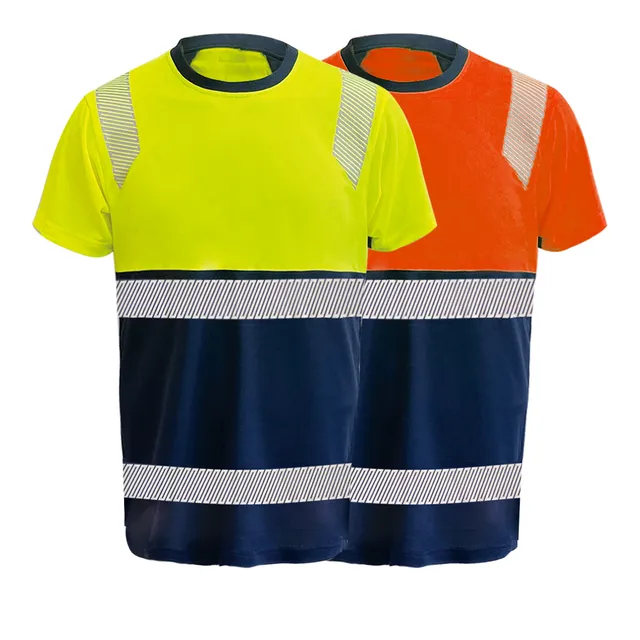
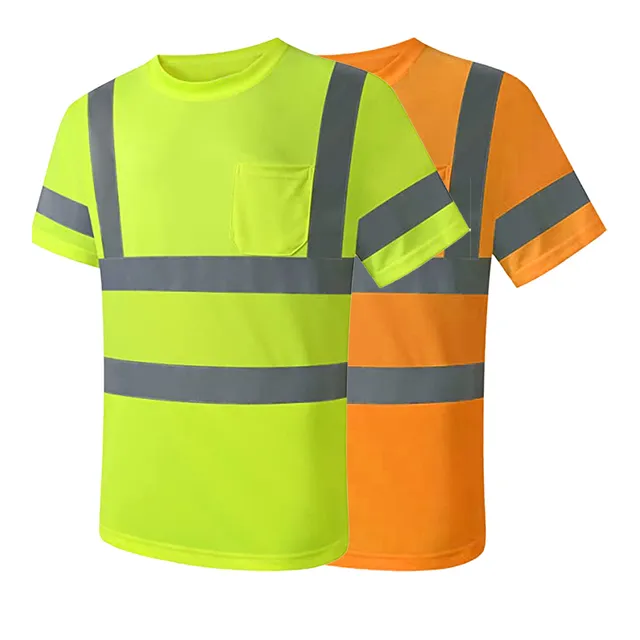


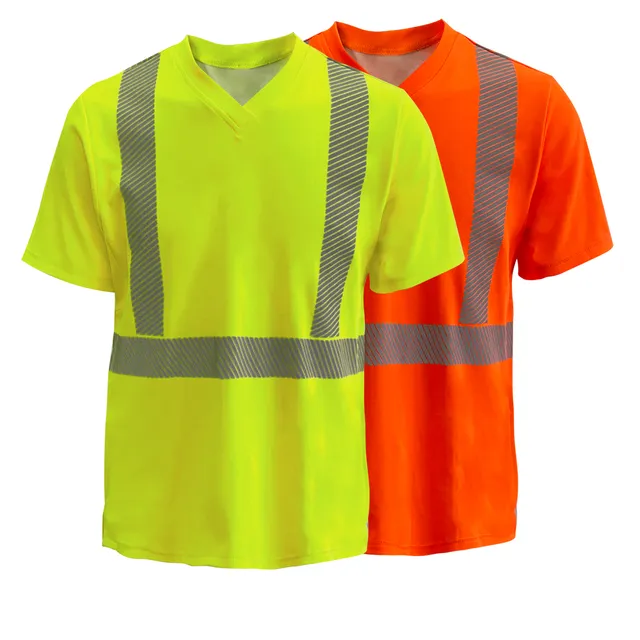
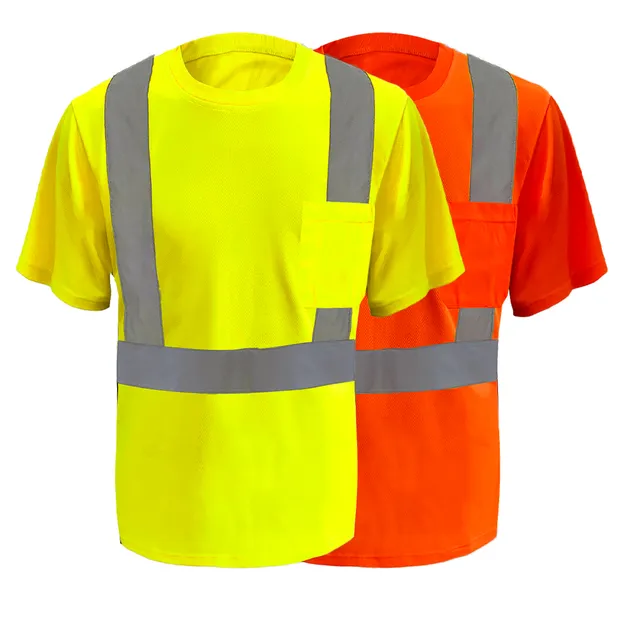


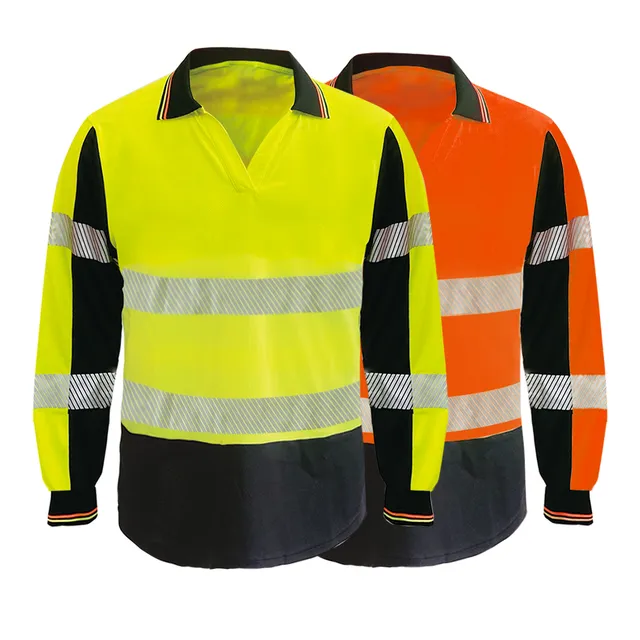
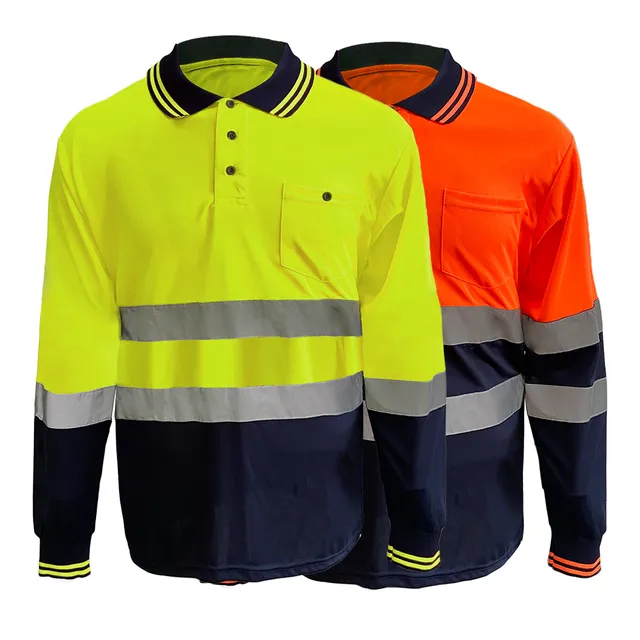
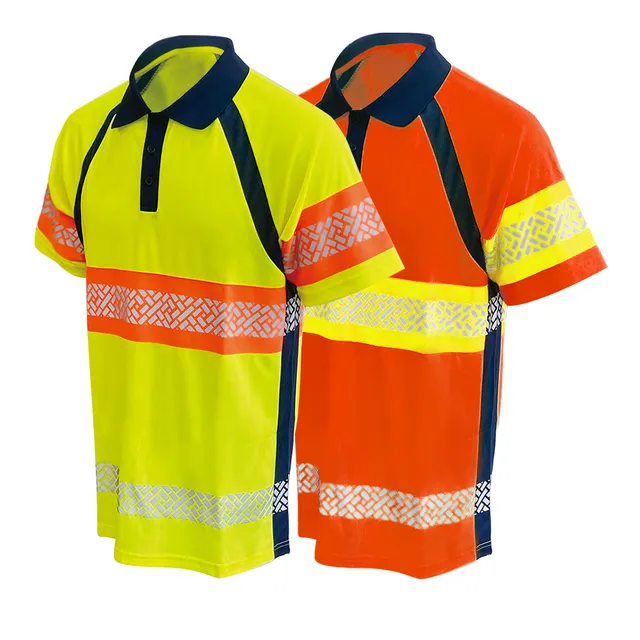





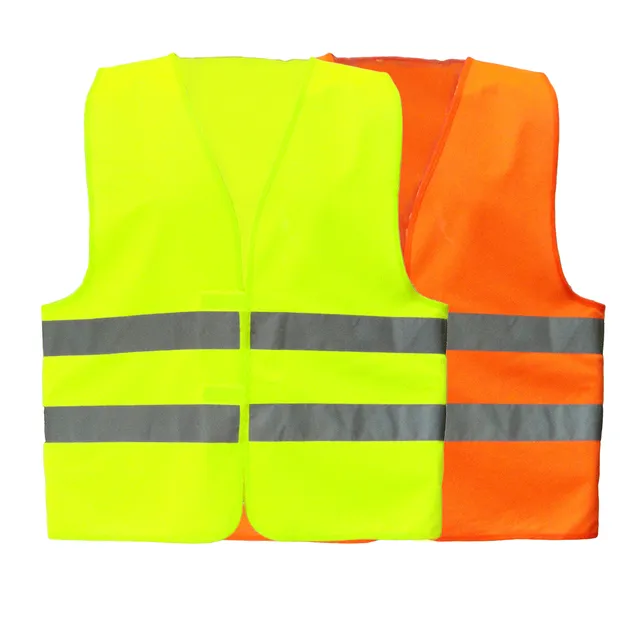

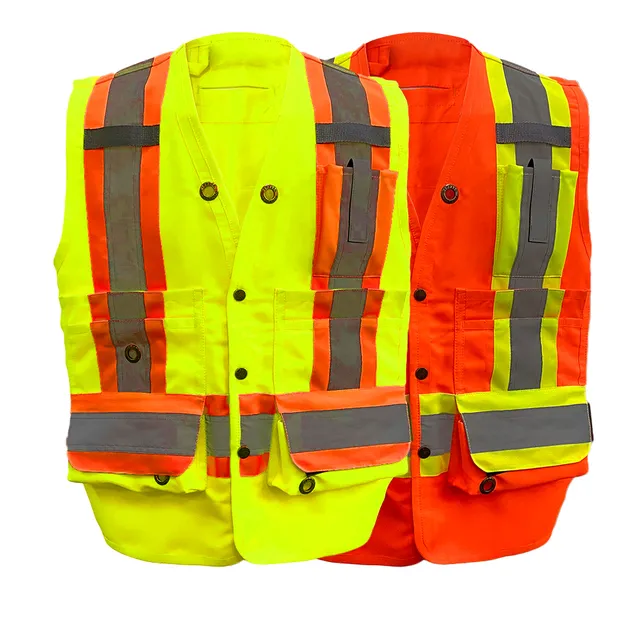
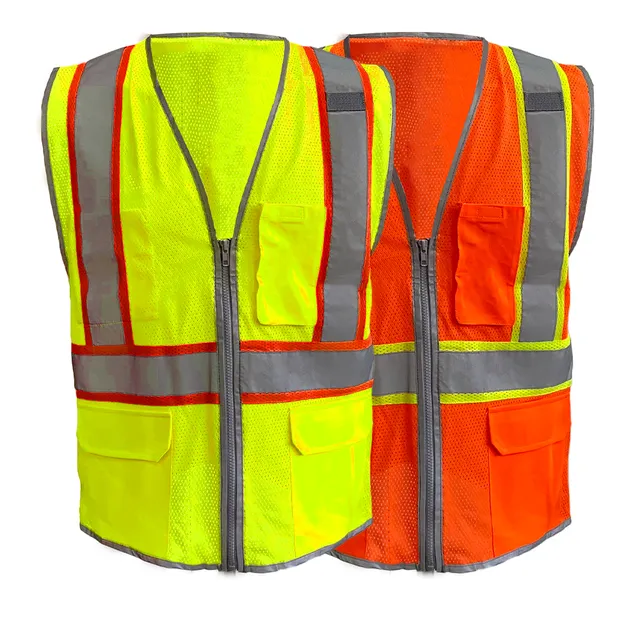
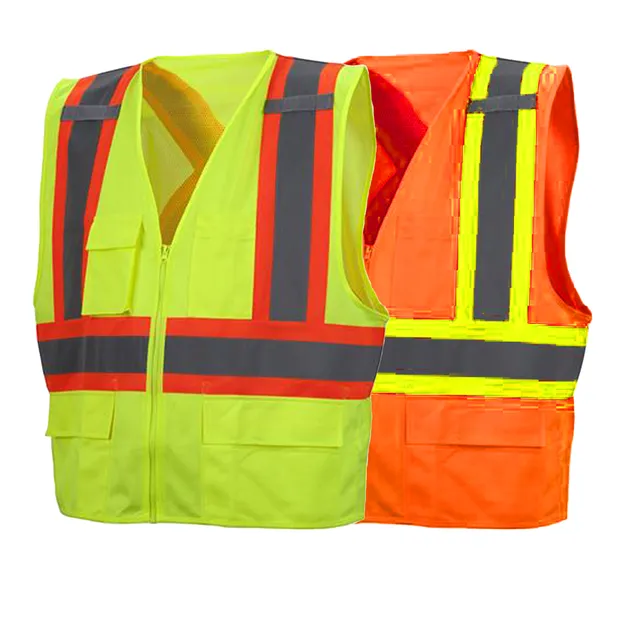
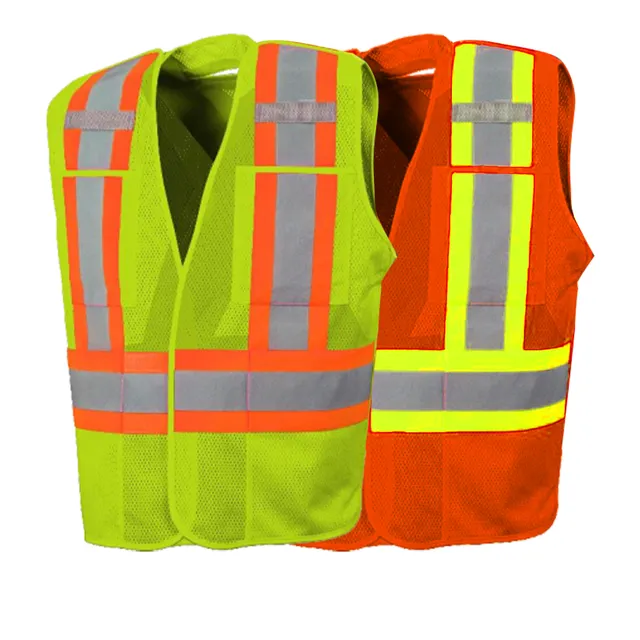

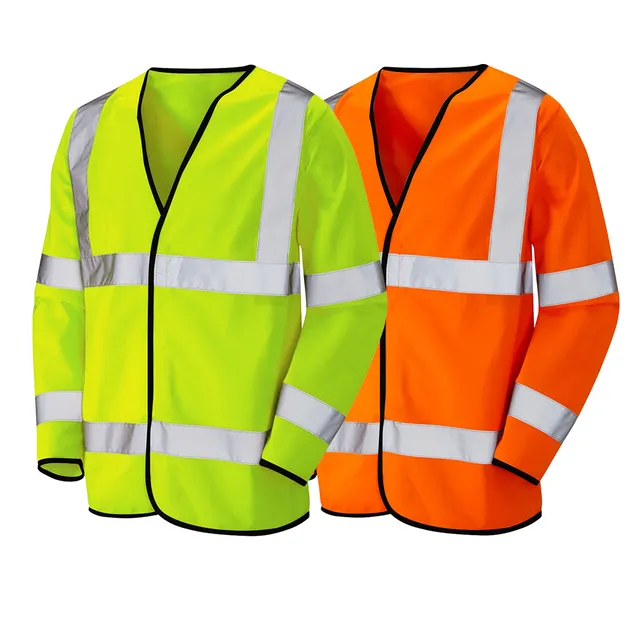
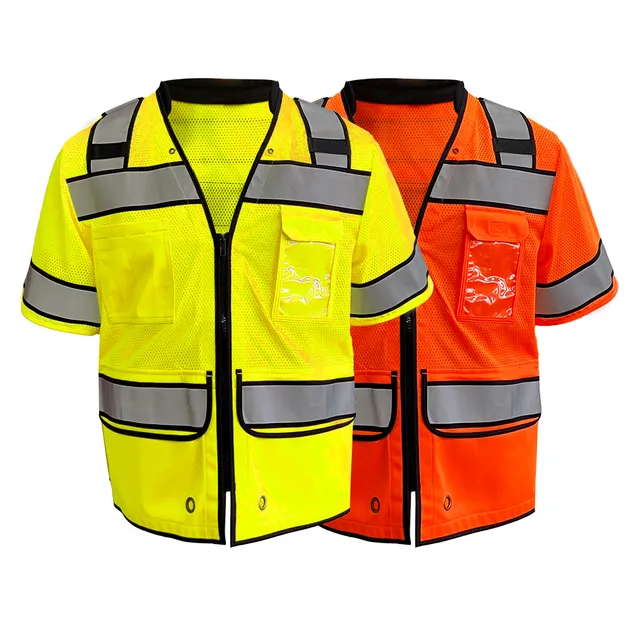
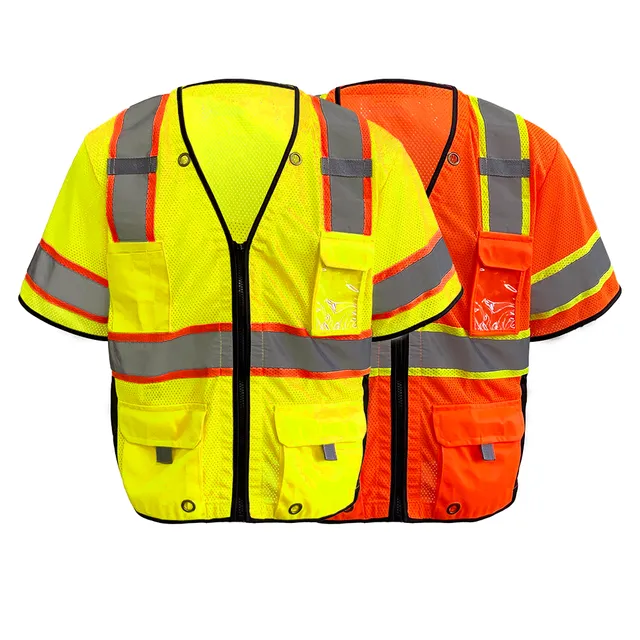

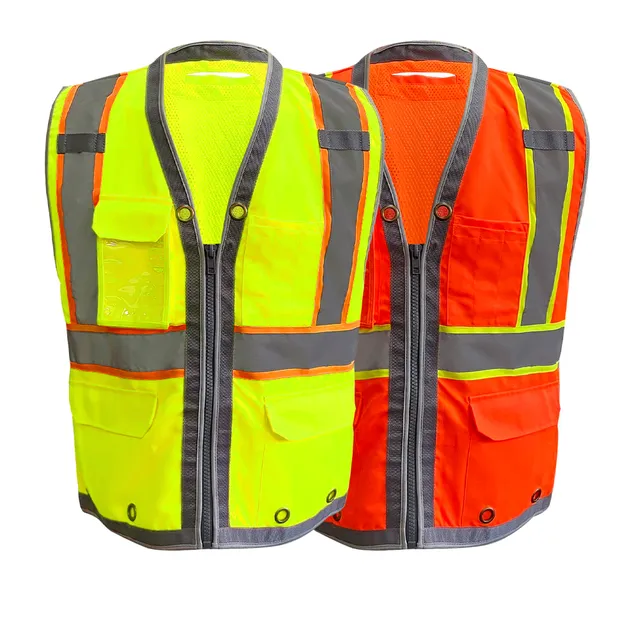
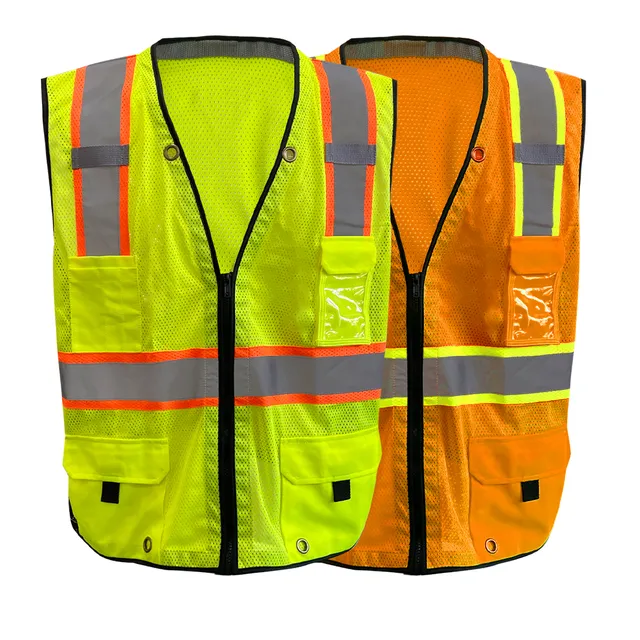
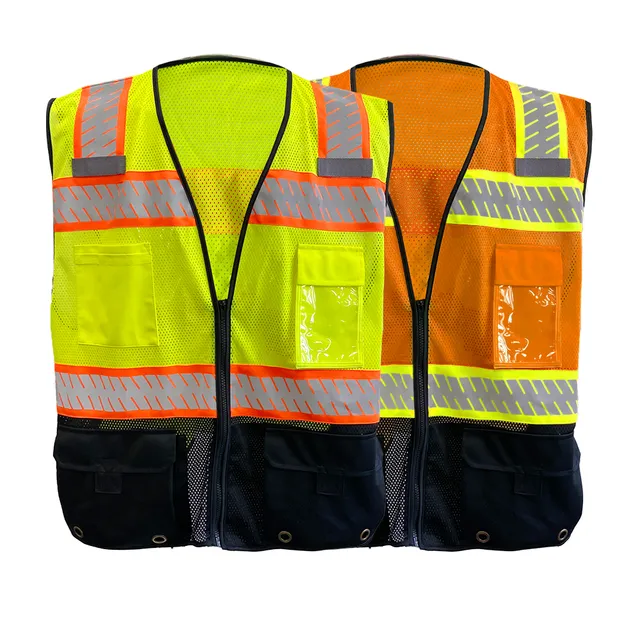
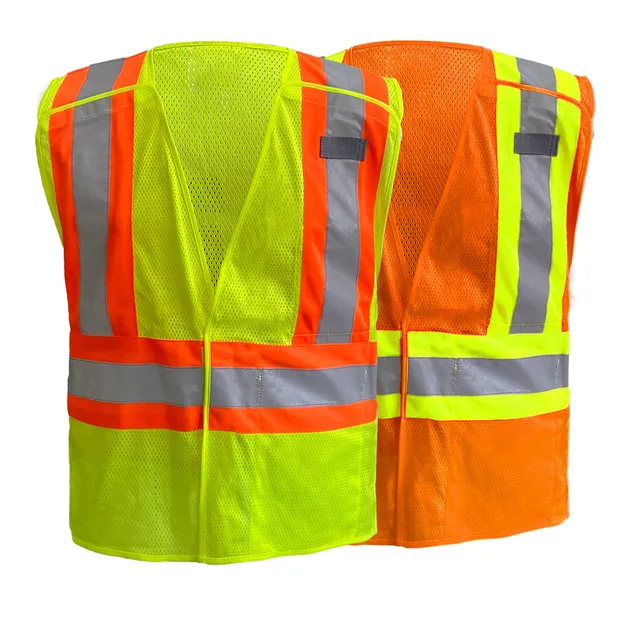
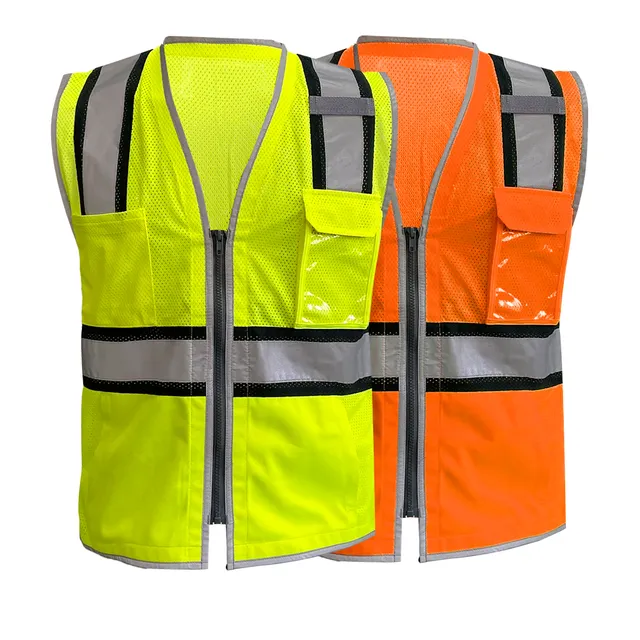
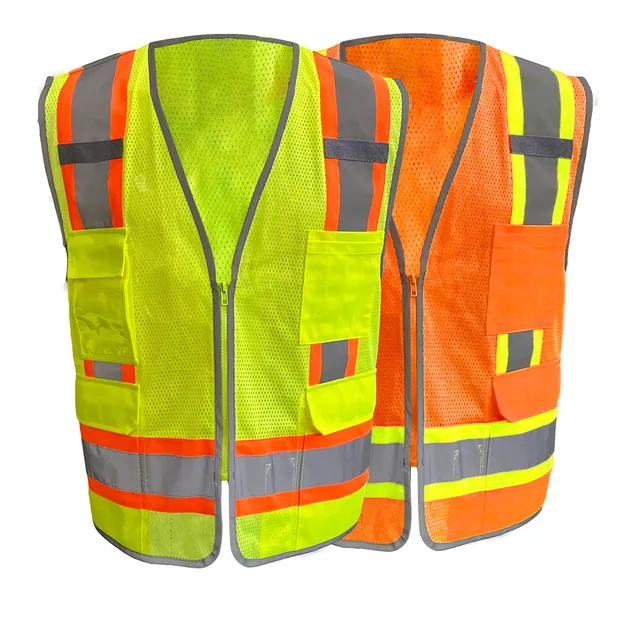
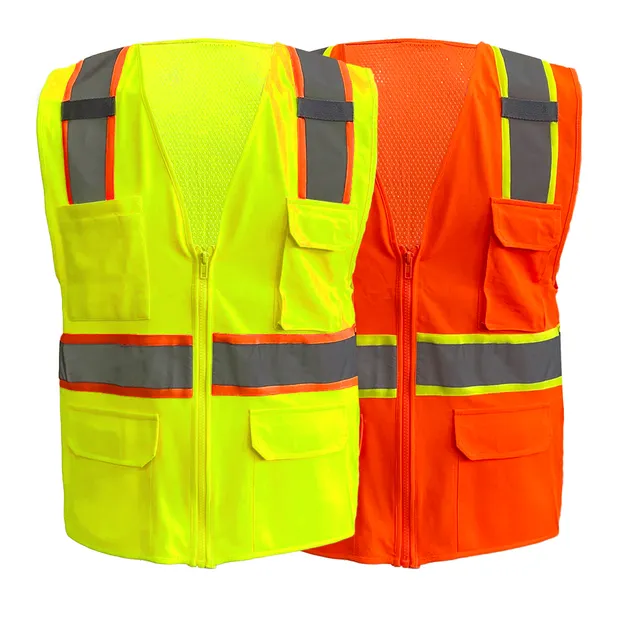
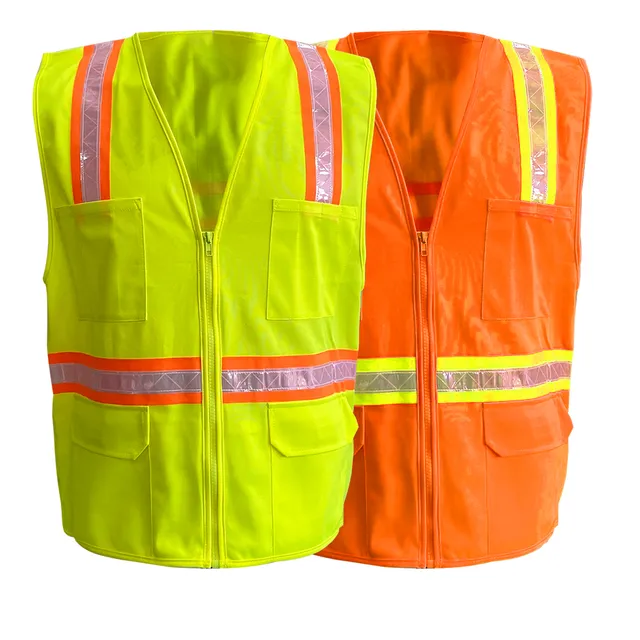







EN ISO 20471 vs ANSI 107 is not a coverage argument: converted to the same units, both standards ask for the same visible area at every class. What separates them is the certification route — and that is the part an auditor asks to see.
EN ISO 20471 vs ANSI 107: What Both Standards Actually Ask For
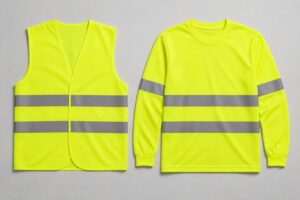
Both standards define a minimum area of fluorescent background material and a minimum area of retroreflective material, scaled by class. They simply express those numbers in different units, which is why the comparison is so often reported as a difference when it is not one. Both scale the same way, from Class 1 for low-risk off-road work to Class 3 for high-speed roads and night work.
The Numbers Side by Side
EN ISO 20471 states area in square metres; ANSI/ISEA 107 states it in square inches:
| Requirement (EN ISO 20471 vs ANSI 107) | Class 1 | Class 2 | Class 3 |
|---|---|---|---|
| Background material — EN ISO 20471 | 0.14 m² | 0.50 m² | 0.80 m² |
| Background material — ANSI/ISEA 107 | 217 in² (Type O) | 775 in² (Type R) | 1,240 in² (Type R) |
| Retroreflective material — EN ISO 20471 | 0.10 m² | 0.13 m² | 0.20 m² |
| Retroreflective material — ANSI/ISEA 107 | 155 in² | 201 in² | 310 in² |
Every class round-trips exactly — 0.50 m² is 775 in², and 0.80 m² is 1,240 in². The one place the numbers break is type: an ANSI Type P Class 2 public-safety garment needs 450 in² of background, well below the 775 in² of a Type R roadway vest.
Where the Two Standards Diverge
The divergence is legal, not dimensional. EN ISO 20471 sits inside the EU PPE Regulation, so a garment needs EU type-examination by a Notified Body before it can carry a CE mark. ANSI/ISEA 107 is a voluntary US consensus standard: the manufacturer tests in an ISO 17025 laboratory and issues its own Declaration of Conformity.
- Certificate route: EN buyers ask for a Notified Body certificate number, ANSI buyers ask for the DoC. Neither document transfers to the other market.
- Type before class: ANSI splits garments into O, R and P before assigning a class. EN has no such dimension, so “Class 2” on an ANSI sheet is incomplete until the type is named.
- Label content: EN garments carry the class and the PPE pictogram; ANSI garments carry the type and the class together. Read the label before you judge the fabric.
Which One Applies to Your Order?
EN ISO 20471 applies to garments placed on the EU market as Category II PPE. ANSI/ISEA 107 is what US buyers specify, and OSHA enforces visibility through the General Duty Clause rather than naming a class. A factory supplying both markets should be able to tell you which certificate it holds for each — which is why a specification written for one market rarely transfers cleanly to the other.
Buyer tip: when you compare EN ISO 20471 vs ANSI 107 quotations, ask for the certificate number and the class it covers — a Class 2 claim is not comparable across the two systems until you also know the type.
Sourcing Hi-Vis Safety Apparel from a Factory
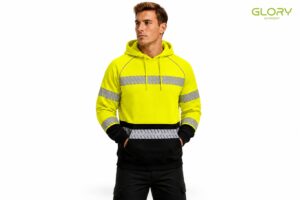
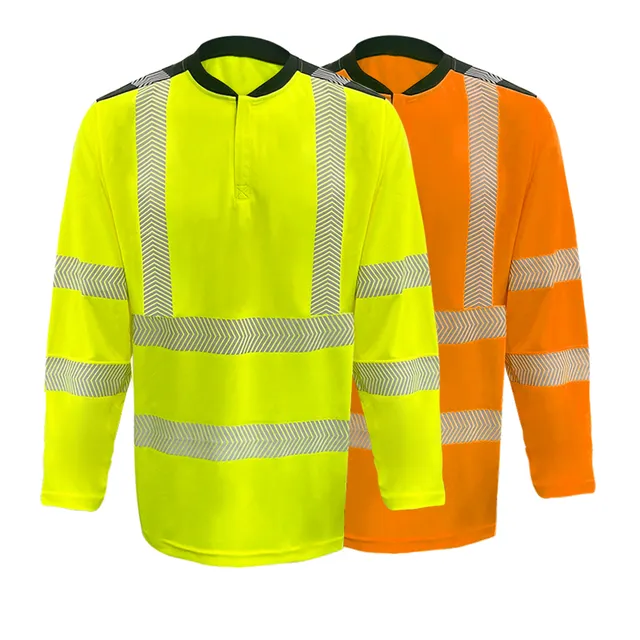
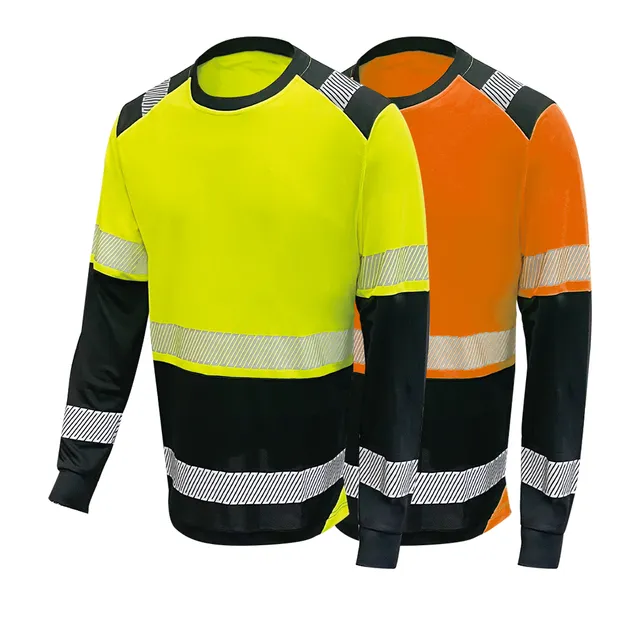
Glory Garment manufactures safety vests, safety shirts, jackets and workwear in our own factory in Zhejiang, China. OEM welcome.
Send your target market, class and tape width through our contact page, and we will confirm the EN ISO 20471 vs ANSI 107 class your order needs.