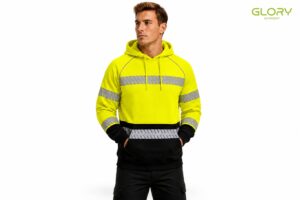


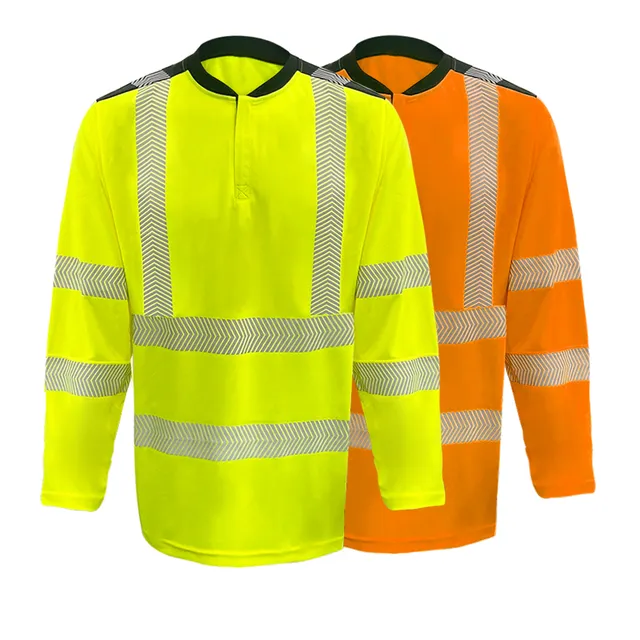
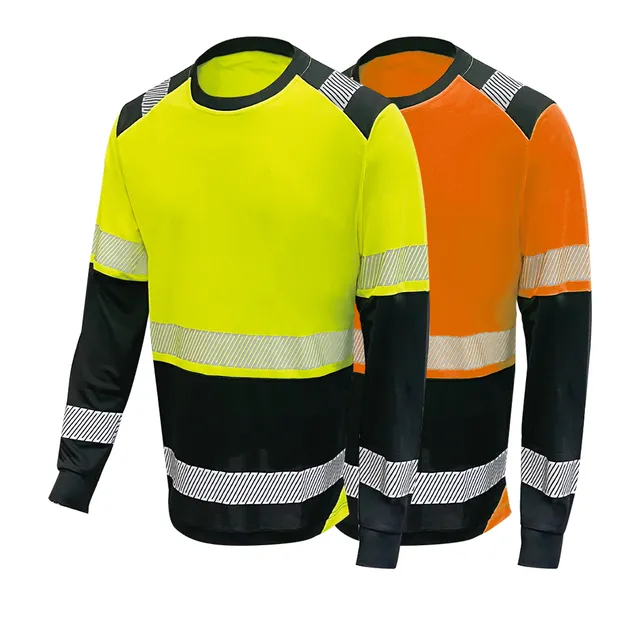
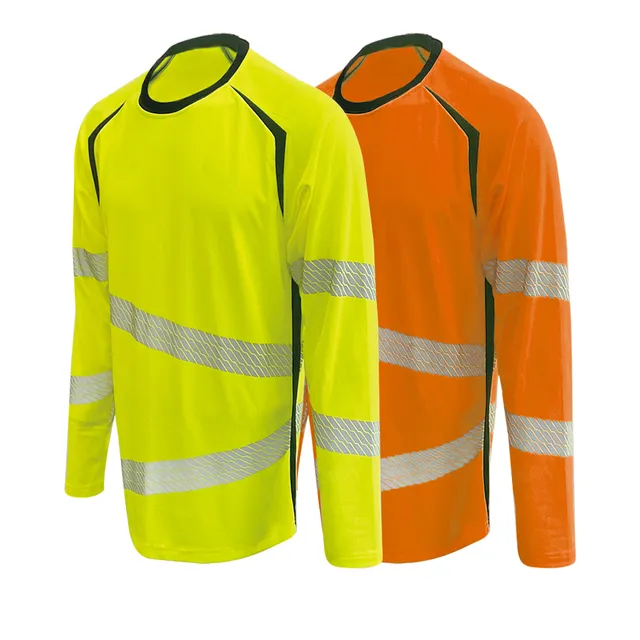
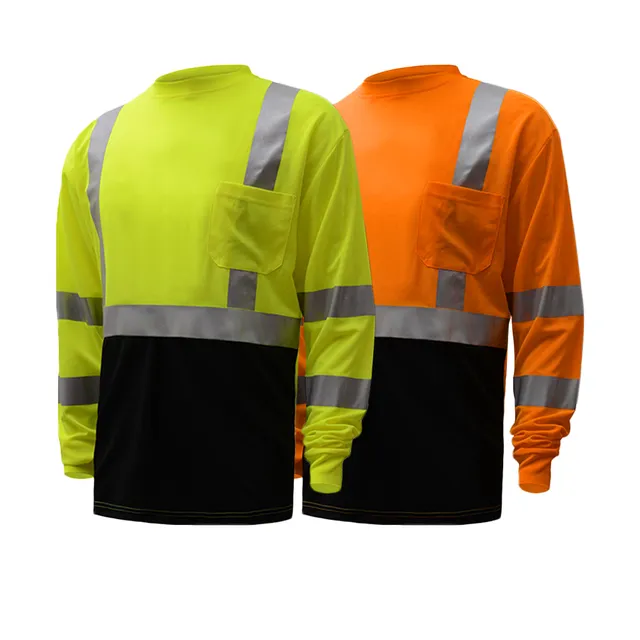
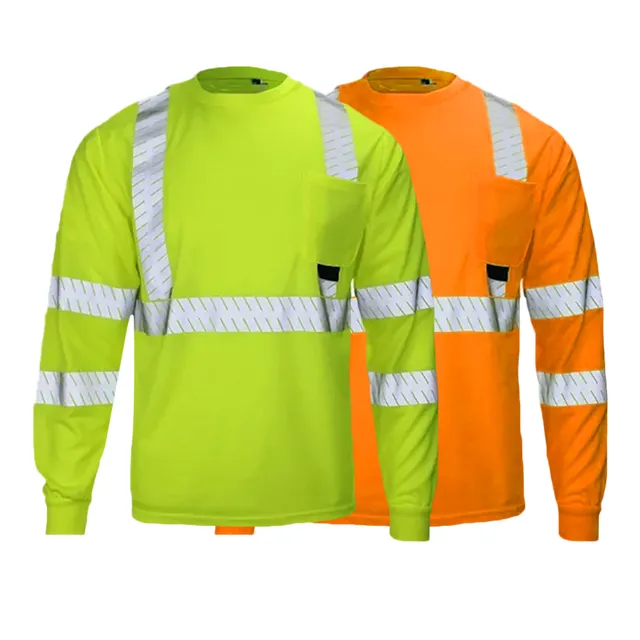
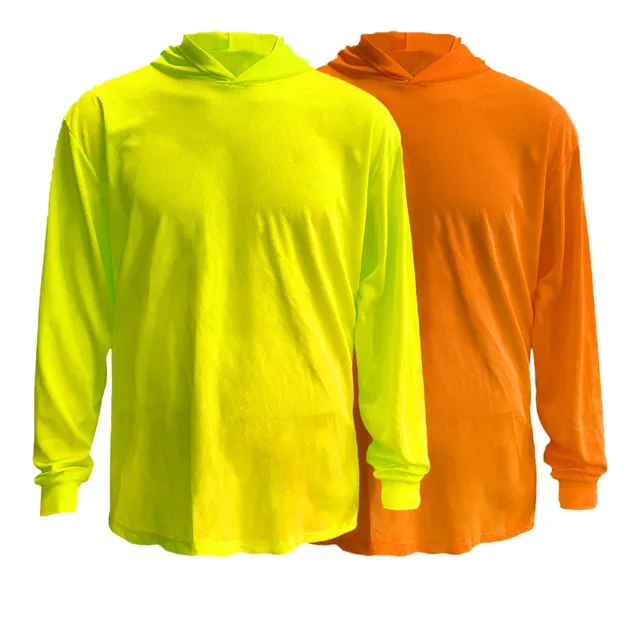

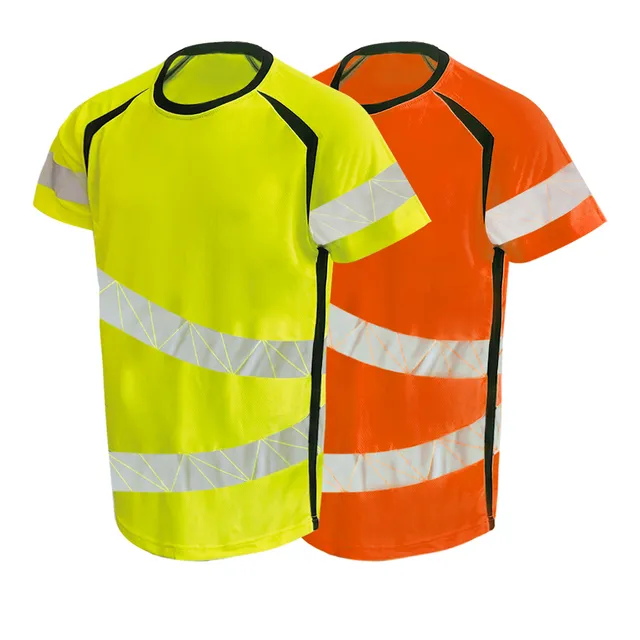

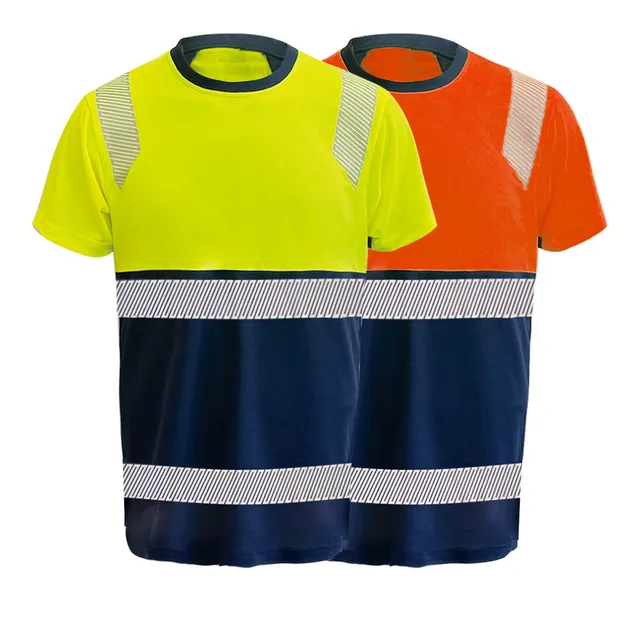
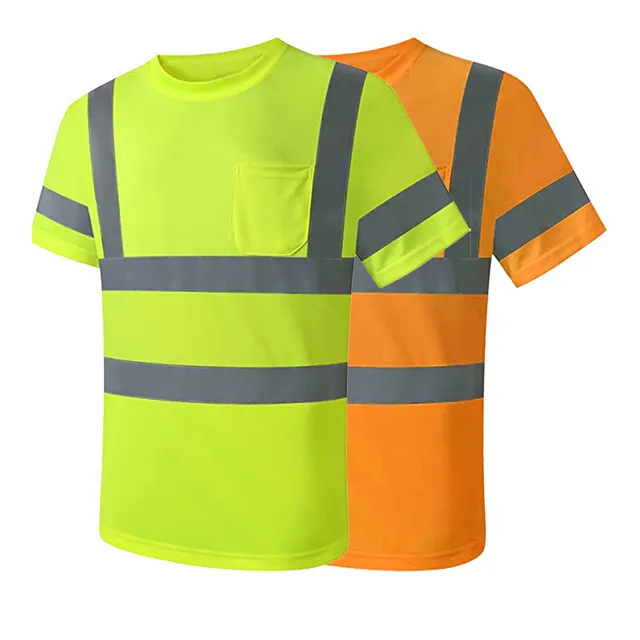


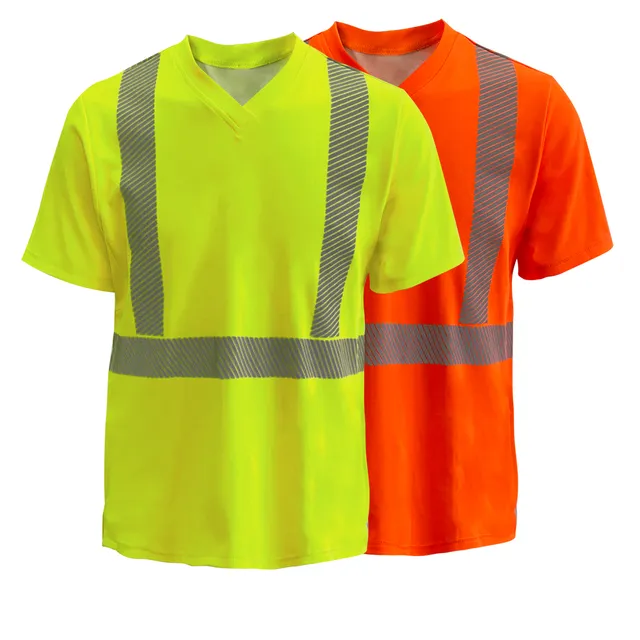
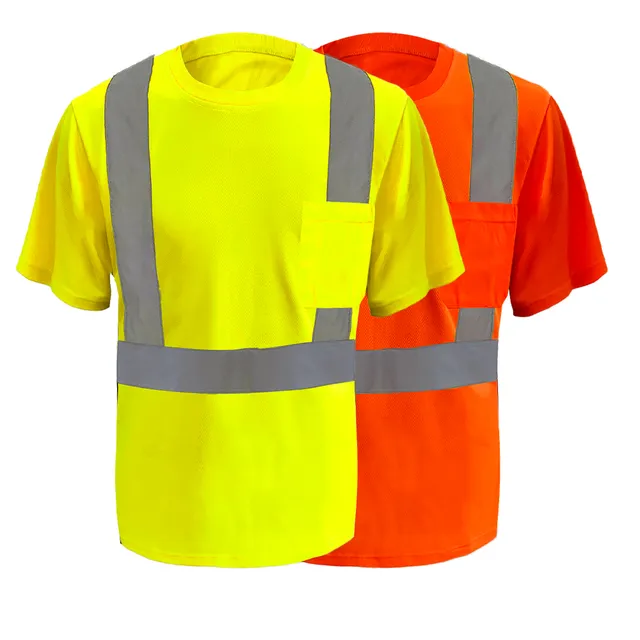


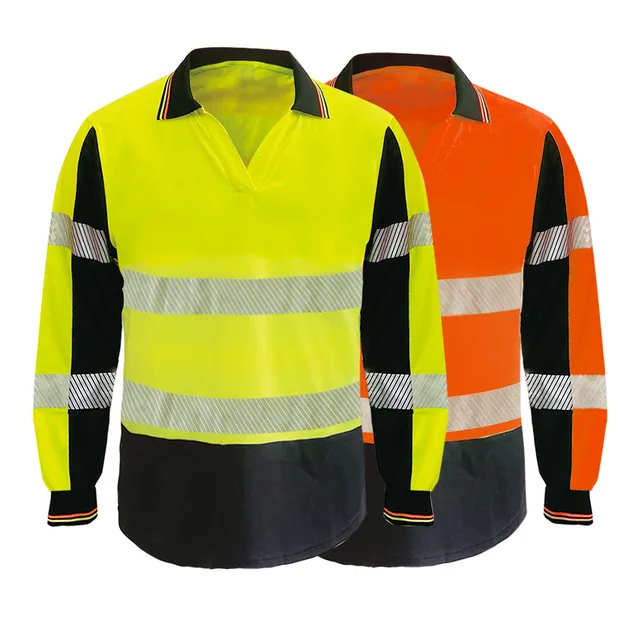
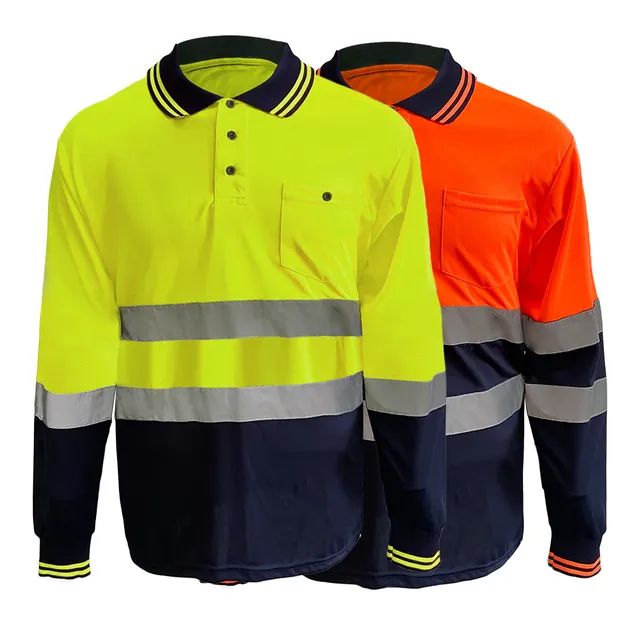
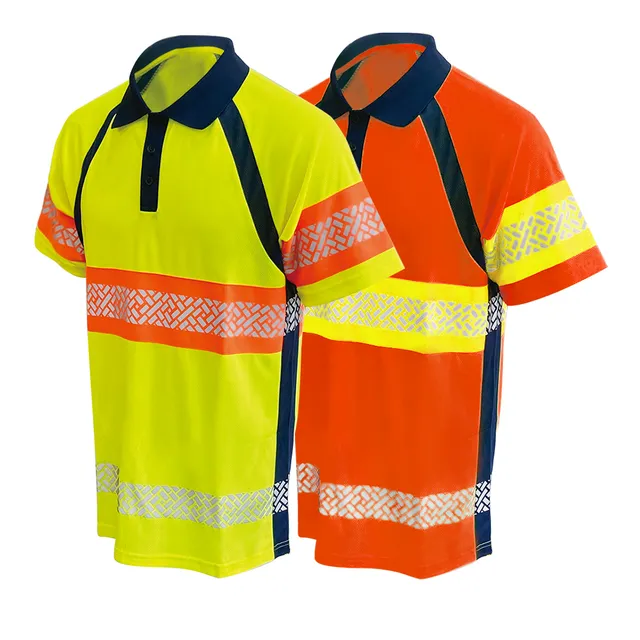
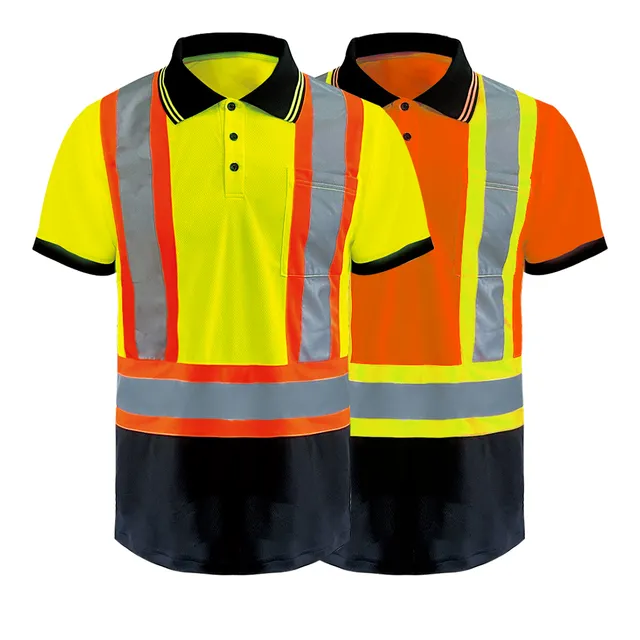
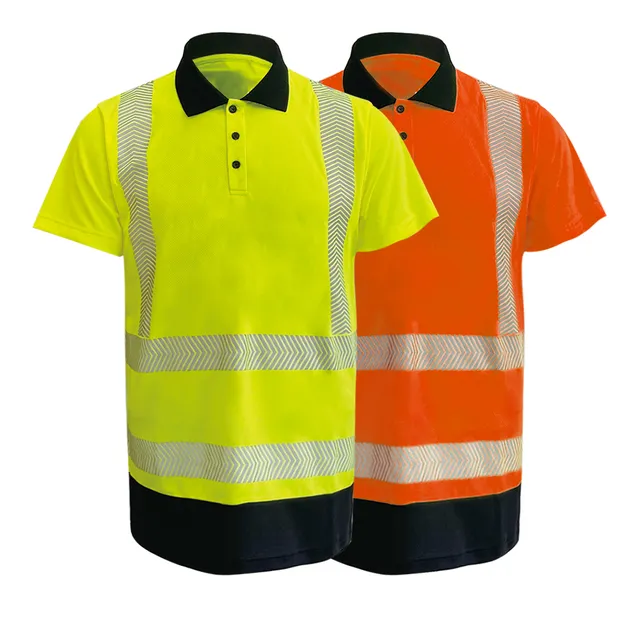

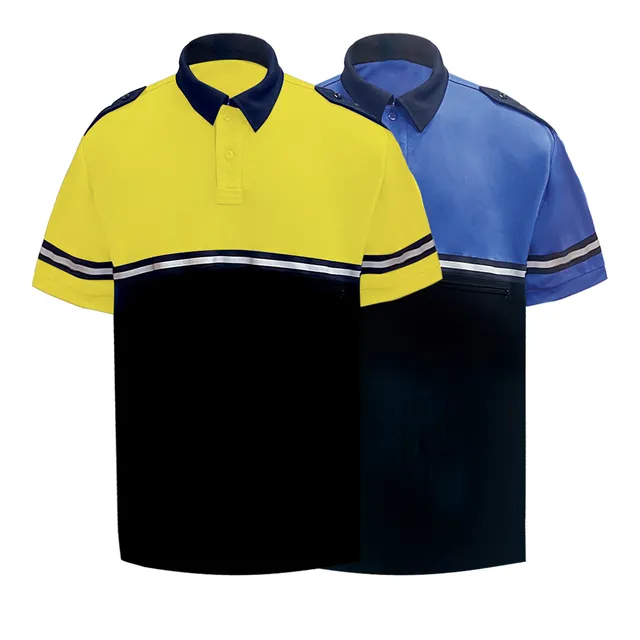


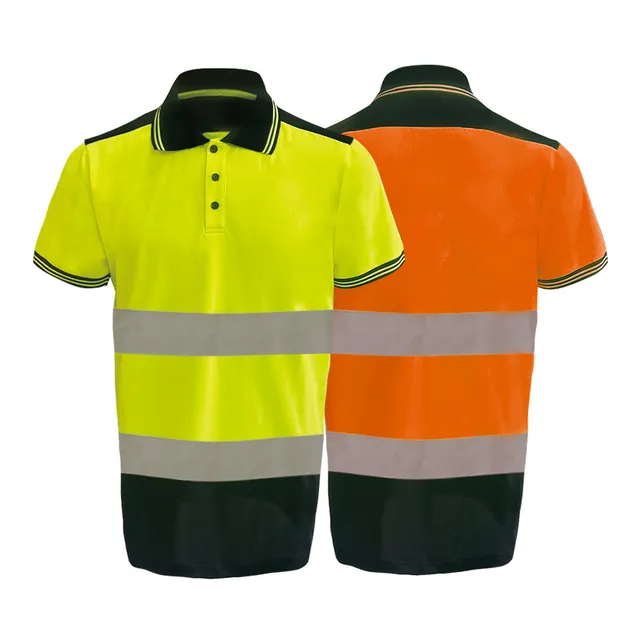


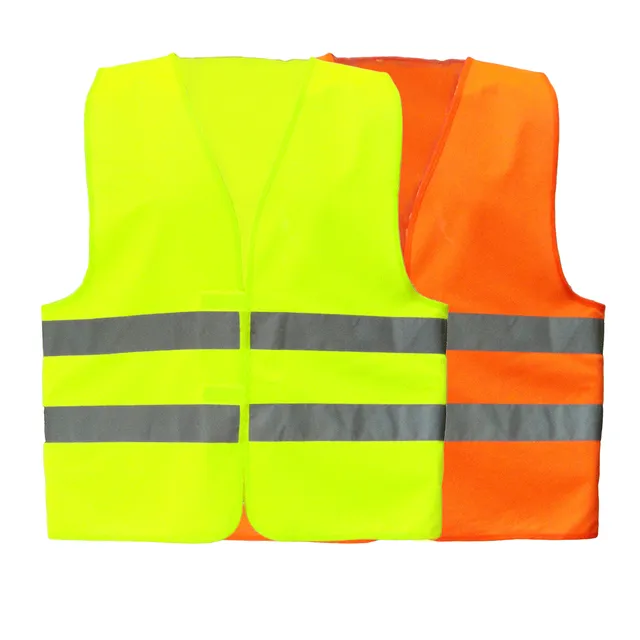

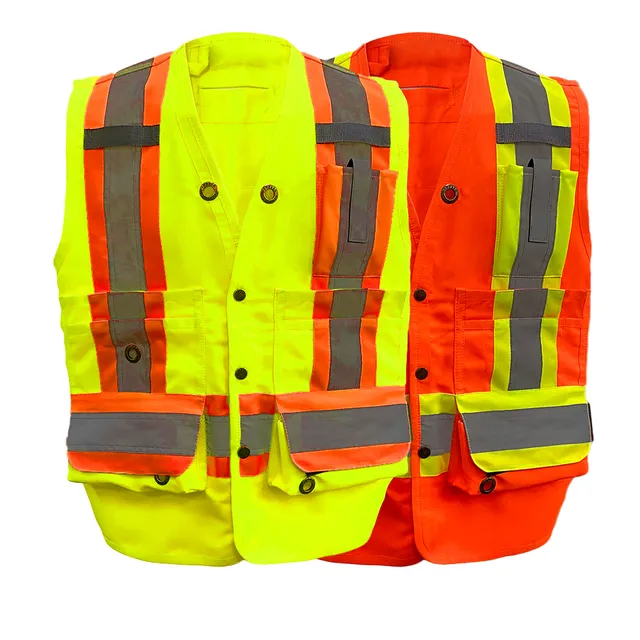
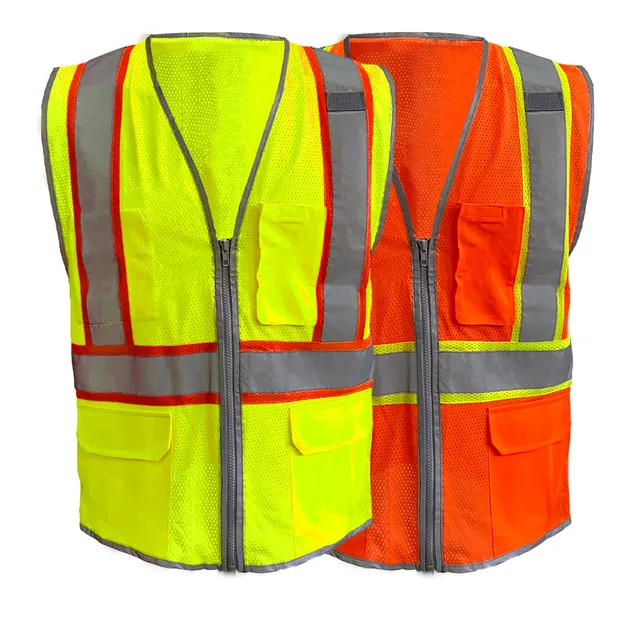
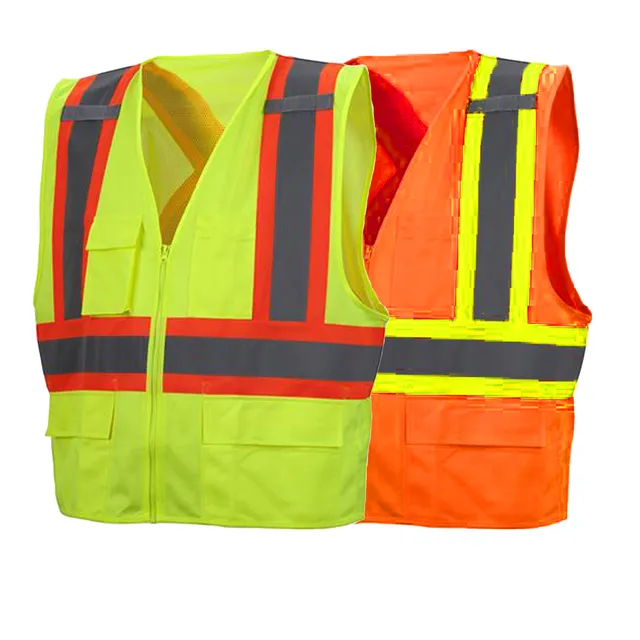
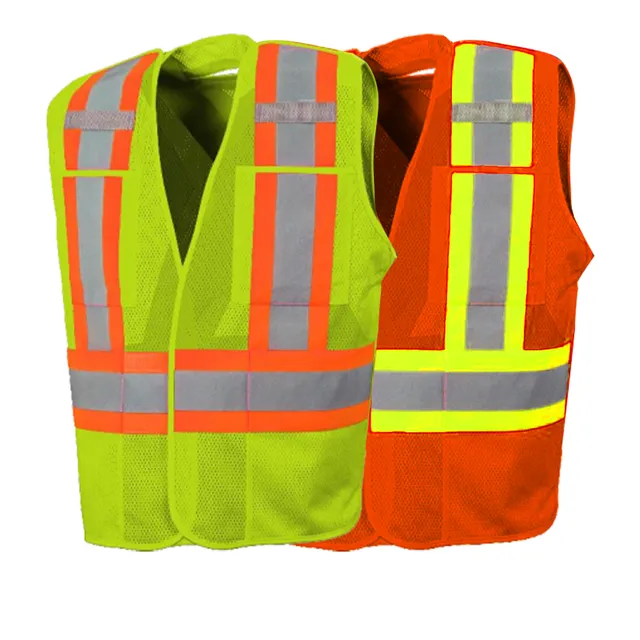

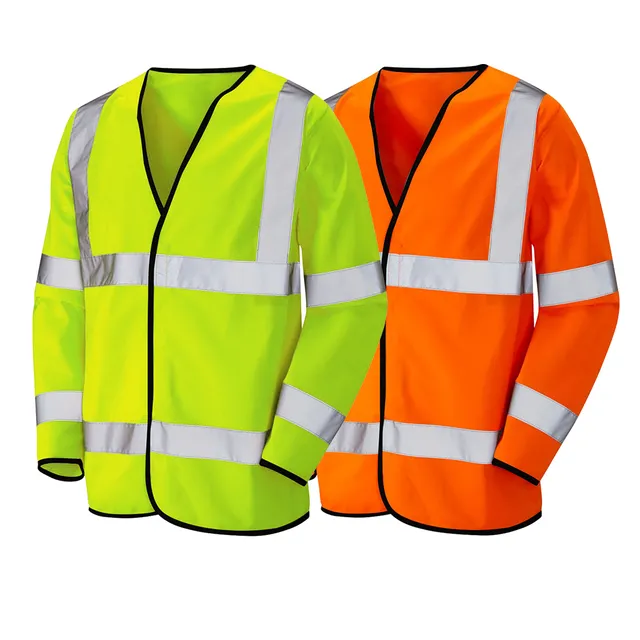
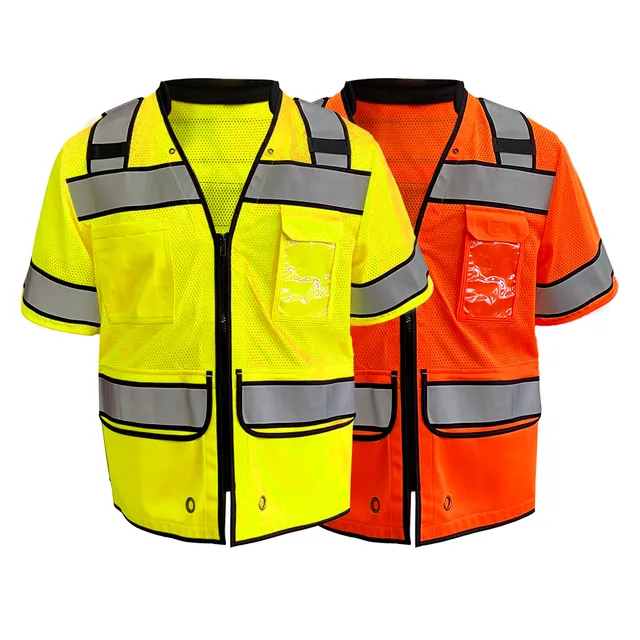
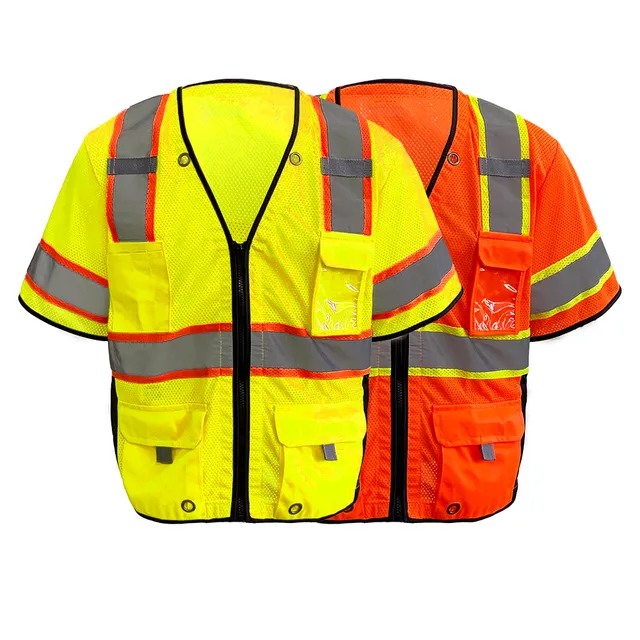
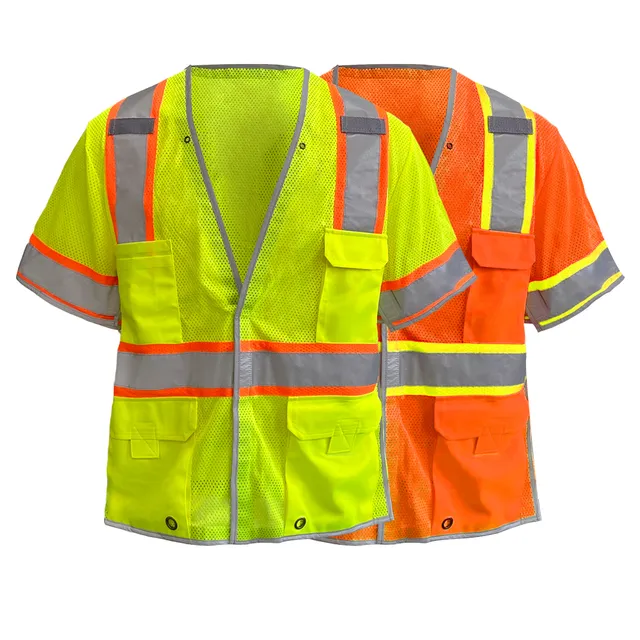
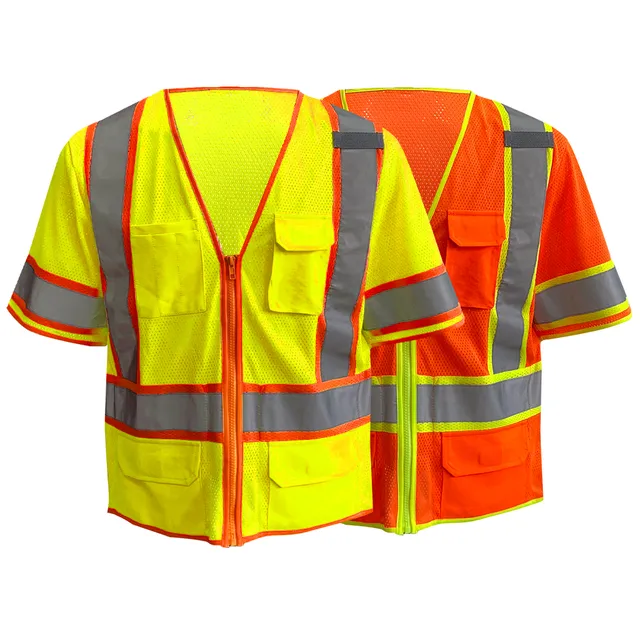
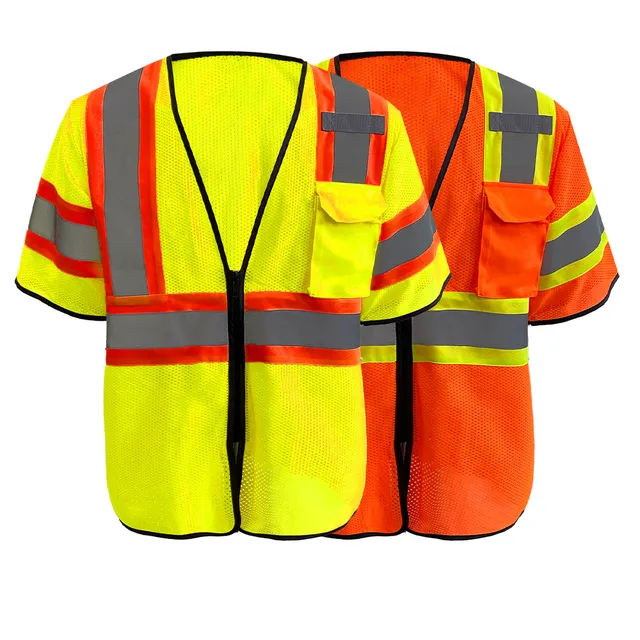
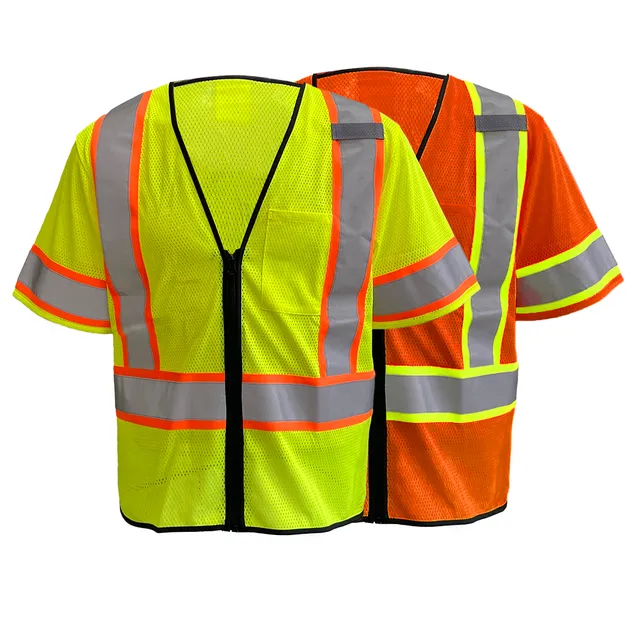

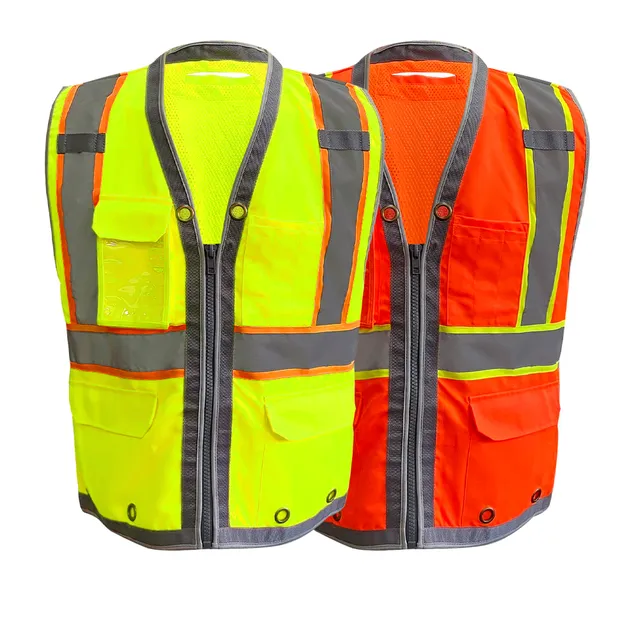
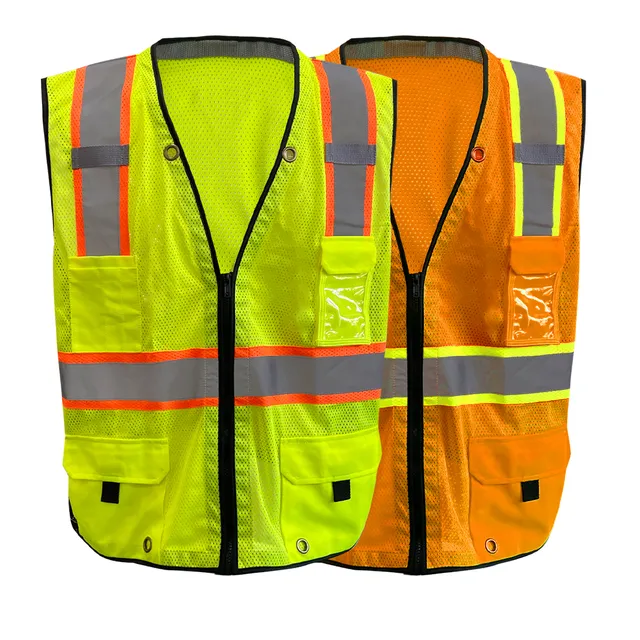
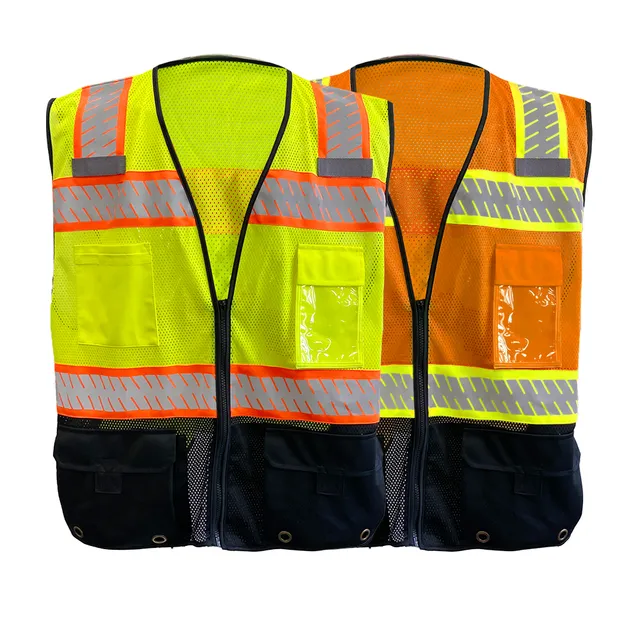
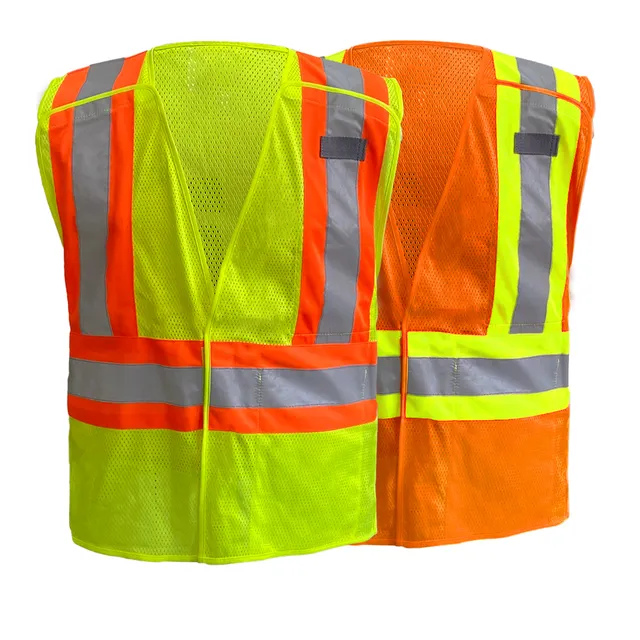
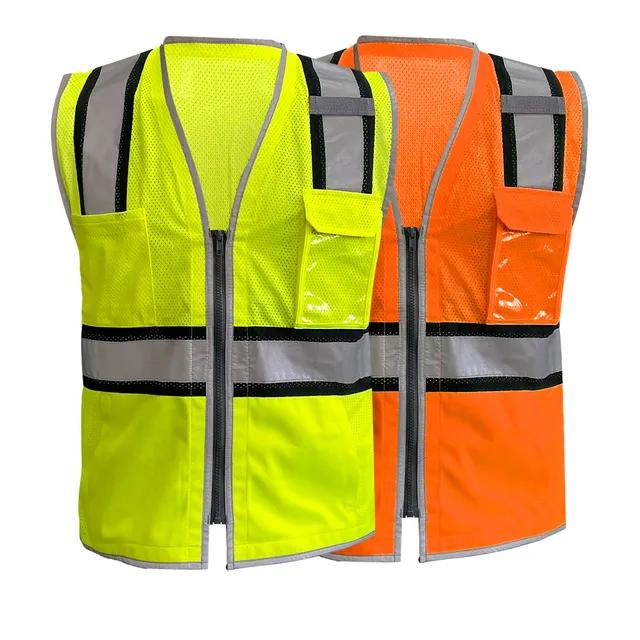
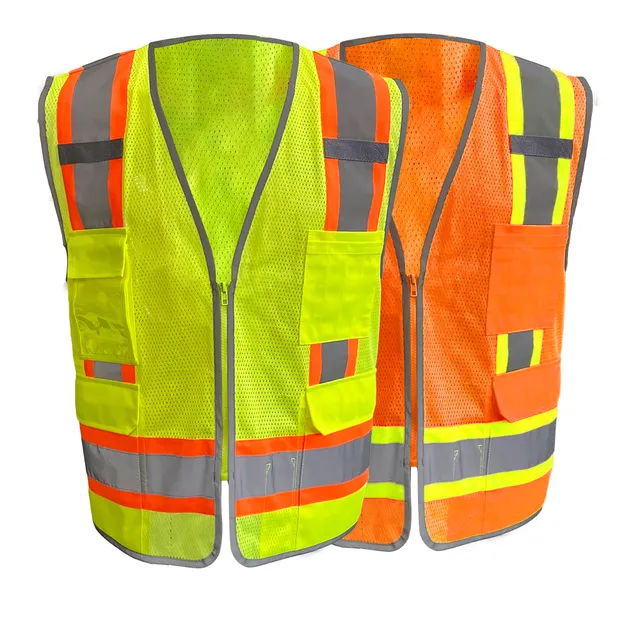
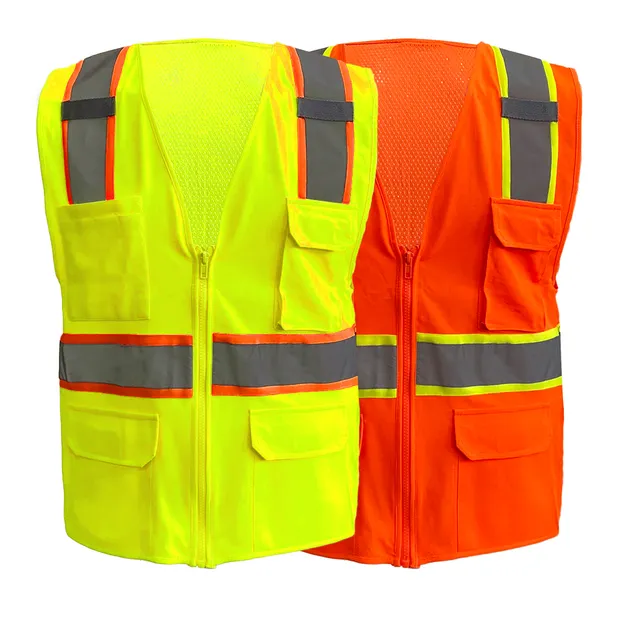
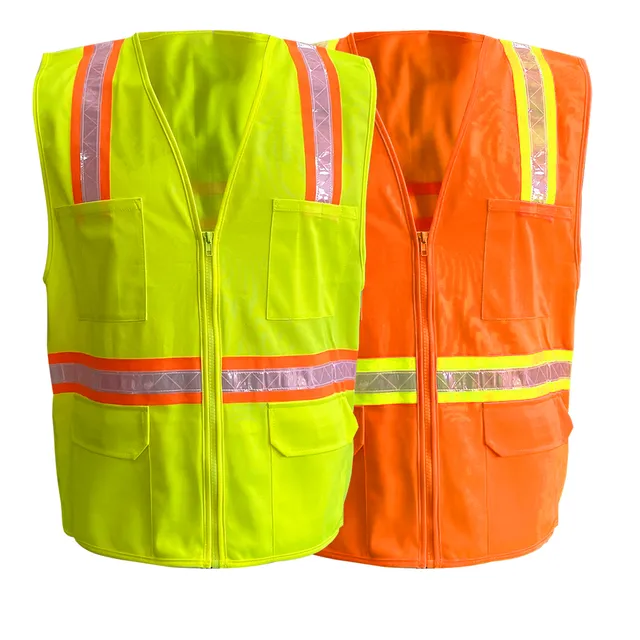
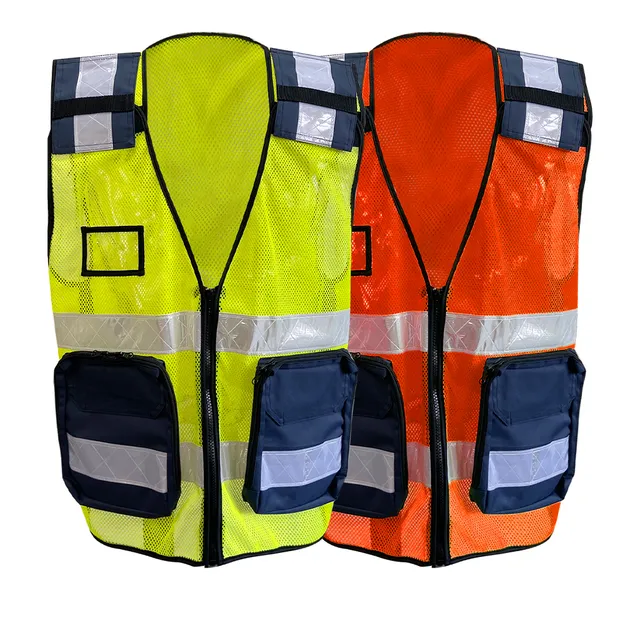
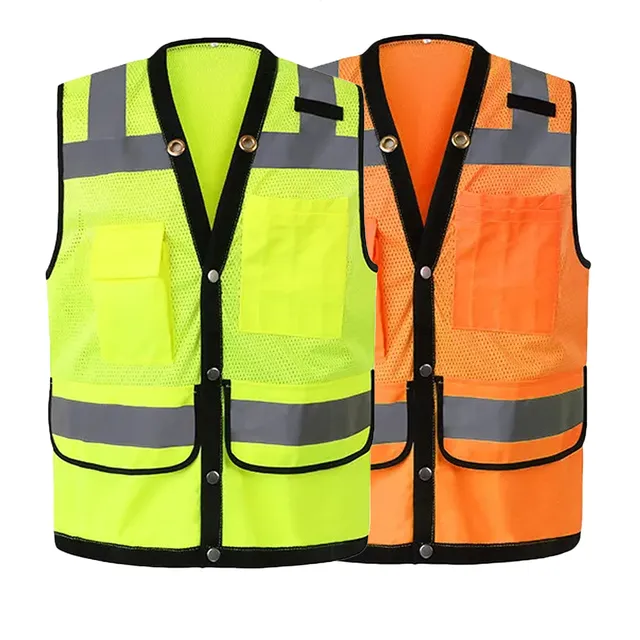
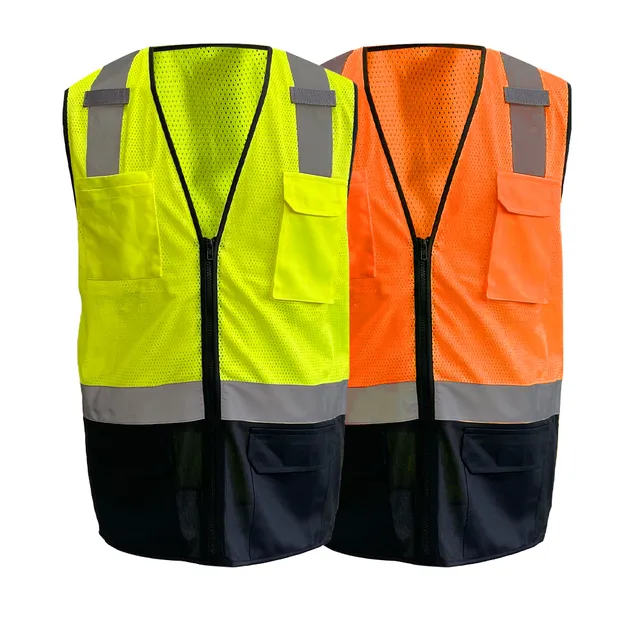
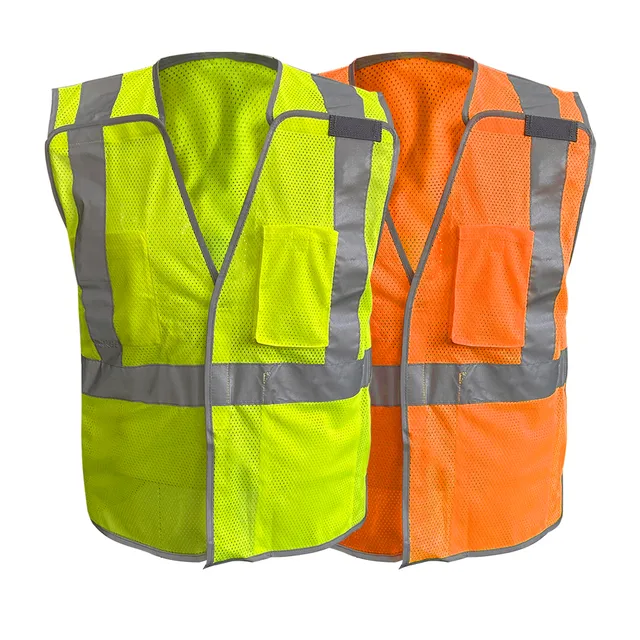
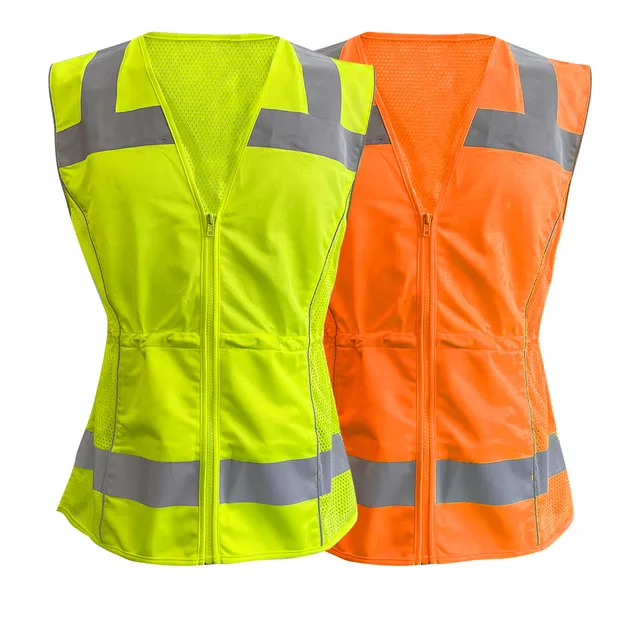
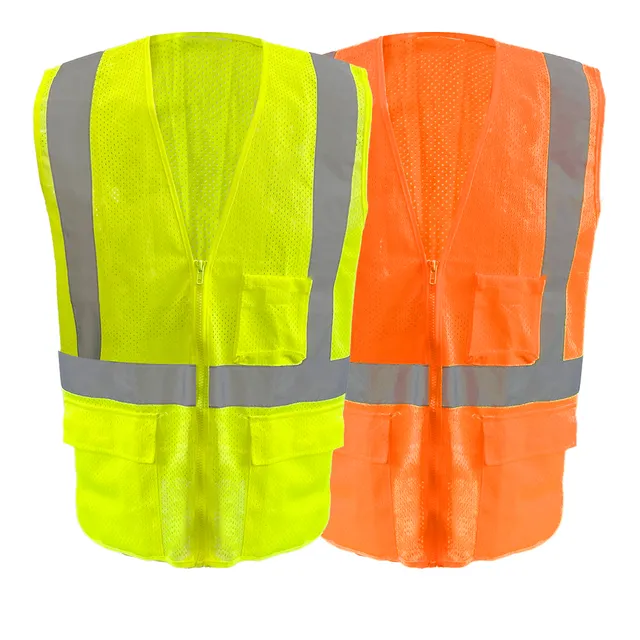
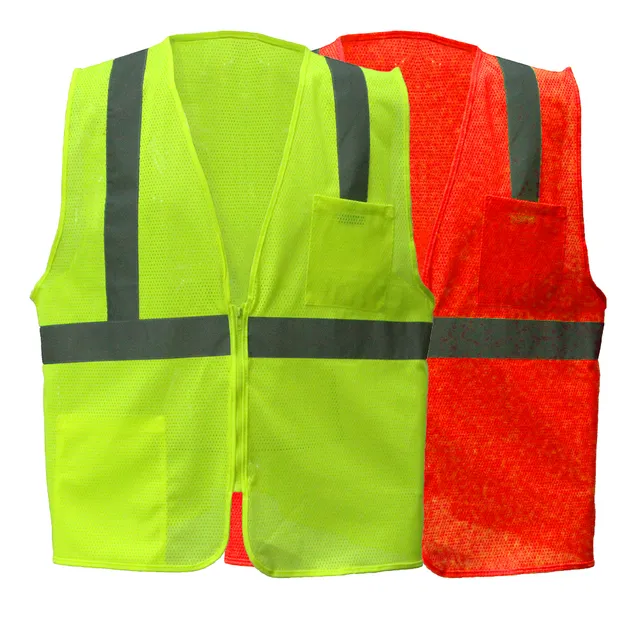


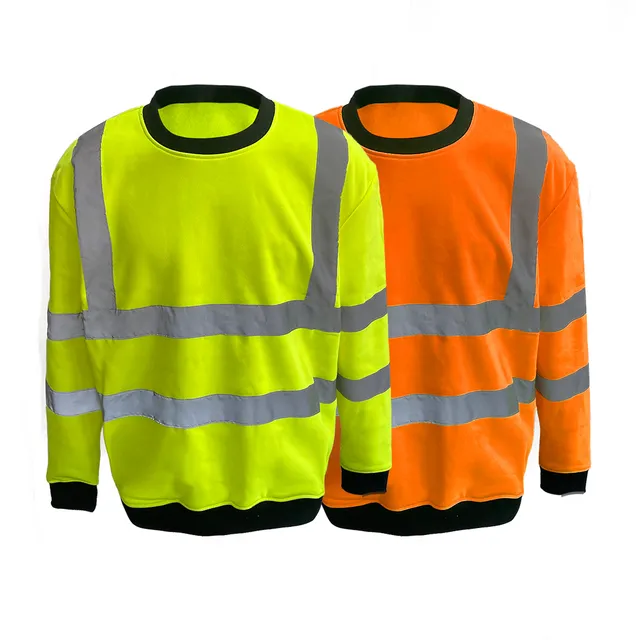
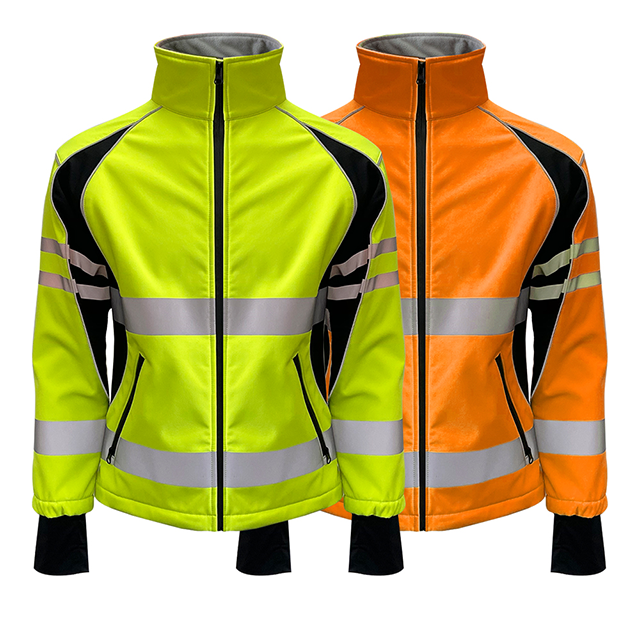


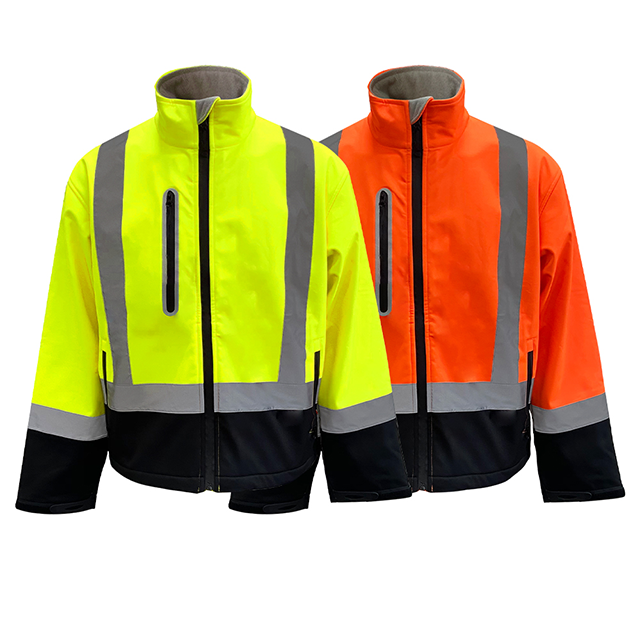

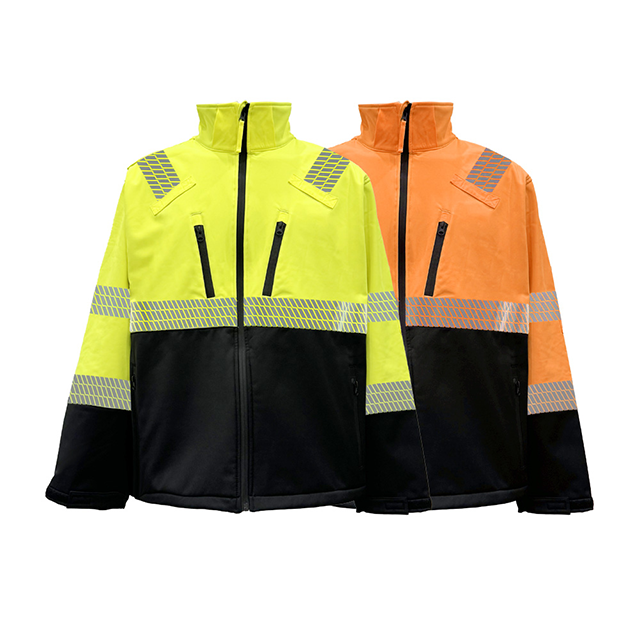


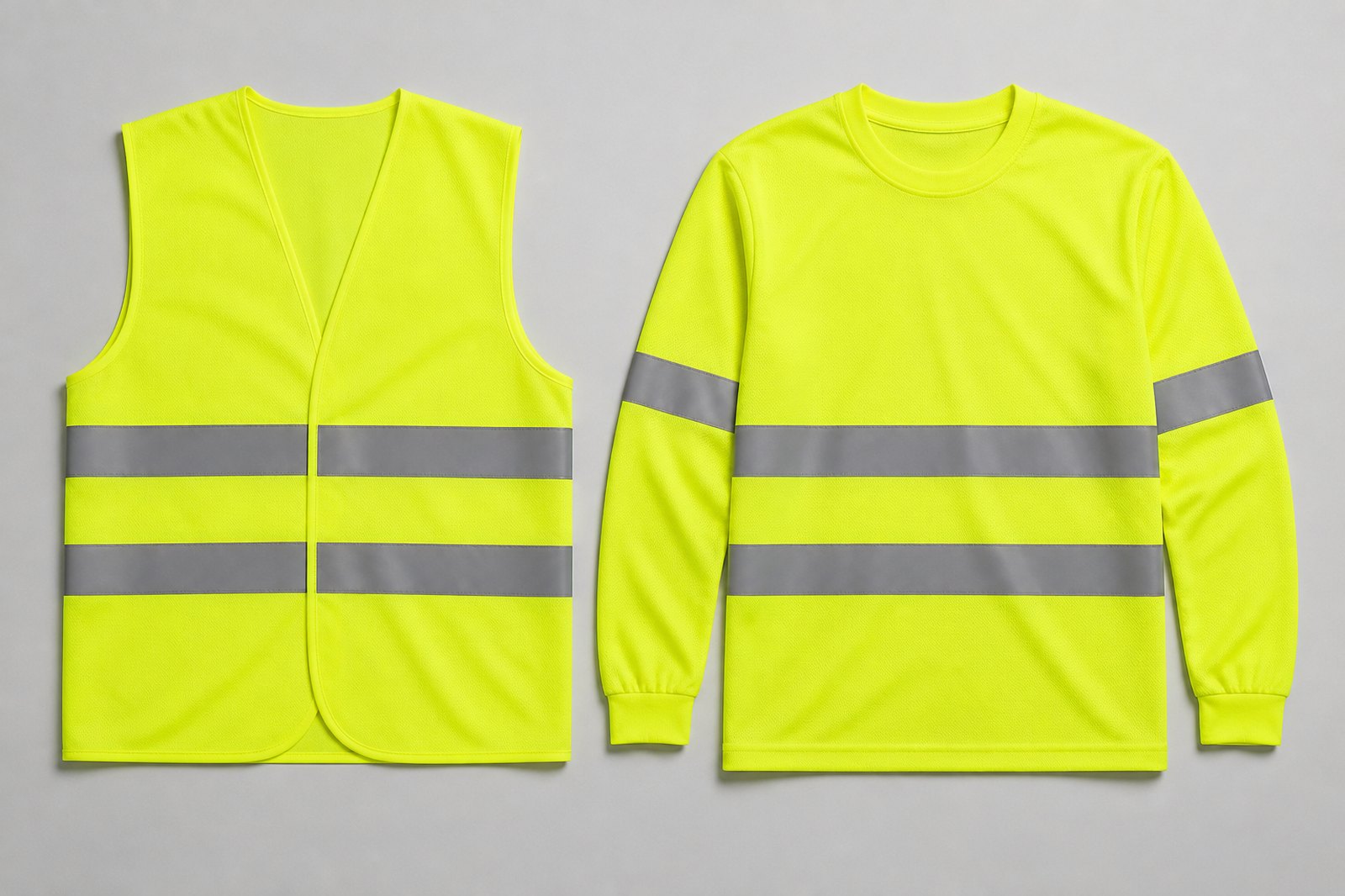
ANSI 107 Class 2 vs Class 3 is a coverage decision, not a quality ranking — the class is set by the hazard on your site, not by the price of the garment. Class 2 satisfies most temporary traffic control zones; Class 3 adds material and sleeve visibility for complex backgrounds, low light, and reading at distance.
ANSI 107 Class 2 vs Class 3: What Actually Separates Them
Both classes sit inside Type R, the roadway type, so either one is compliant for workers on or near a public access roadway. The difference is how much visible material the garment must carry, and whether that material has to appear on the sleeves.
The Numbers Side by Side
Every minimum below is set by the standard, not by the supplier:
| Requirement | Class 2 (Type R) | Class 3 (Type R) |
|---|---|---|
| Background material | 775 in² | 1,240 in² |
| Retroreflective material | 201 in² | 310 in² |
| Minimum band width | 1.38 in (1 in for split trim) | 2 in (1 in for split trim) |
| Sleeve bands | Not required — 23.25 in² of retroreflective material must then sit in the shoulder area | One band encircling each sleeve — the clearest ANSI 107 Class 2 vs Class 3 difference on site |
At the minimum amounts, Class 3 carries roughly 60% more background material and 54% more retroreflective material than Class 2. That extra area is what buys visibility at distance and against a busy background.
Three Things Buyers Get Wrong
None of them is about tape quality:
- Class is not a grade: Class 2 is not a downgrade — MUTCD 6D.03 allows Class 2 or Class 3 for workers exposed to traffic inside a temporary traffic control zone, and the choice belongs to a written risk assessment.
- The label alone is not proof: The standard requires material testing in an ISO 17025 accredited laboratory plus a manufacturer’s Declaration of Conformity, but it does not require third-party certification — so asking for the DoC is the only way to verify.
- Type comes first: Type O is Class 1 only, so a Class 3 claim only exists inside Type R or Type P; a Class 3 garment is always a roadway or public safety garment.
Which Class Does Your Site Require?
MUTCD 6E.02 requires Class 2 or Class 3 for flaggers, and 7D.04 requires Class 2 for adult crossing guards. OSHA does not name a class at all — it enforces visibility through the General Duty Clause, which is why the decision is documented per job site and job classification rather than picked off a shelf.
Buyer tip: when you compare quotes for an ANSI 107 Class 2 vs Class 3 garment, ask for the Declaration of Conformity and the size range it covers — Type R Class 2 and Class 3 allow a smaller material area on the smallest size in the range only.
Sourcing Hi-Vis Safety Apparel from a Factory
Glory Garment manufactures safety vests, safety shirts, jackets and workwear in our own factory in Zhejiang, China. OEM welcome.
Send your class, tape width and size range through our contact page and we will come back with the ANSI 107 Class 2 vs Class 3 configuration that fits your site.