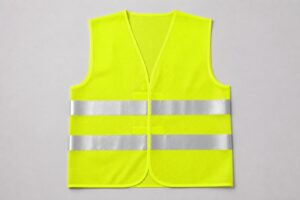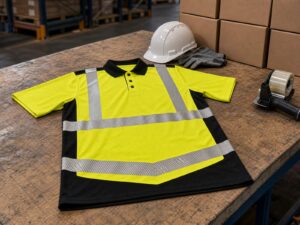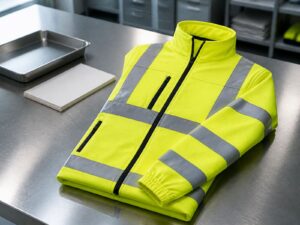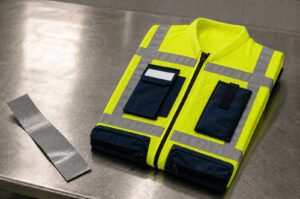


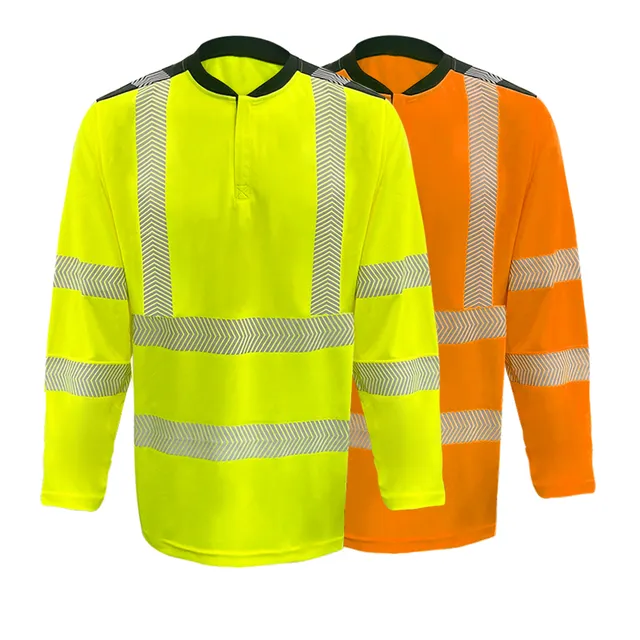
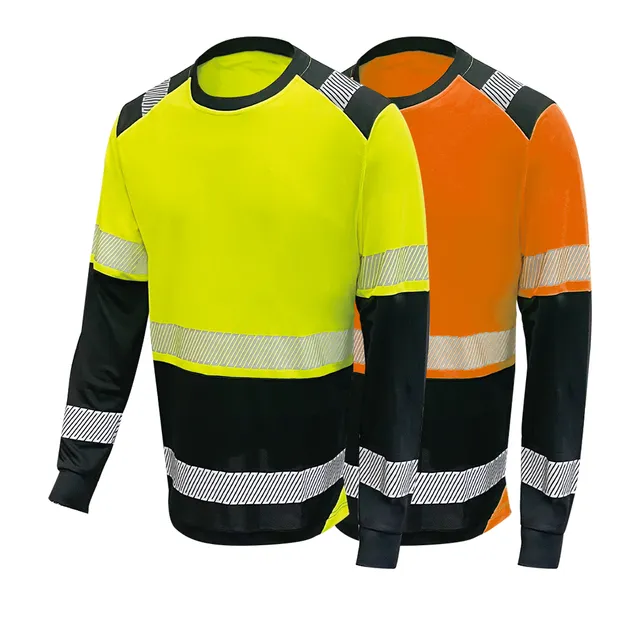
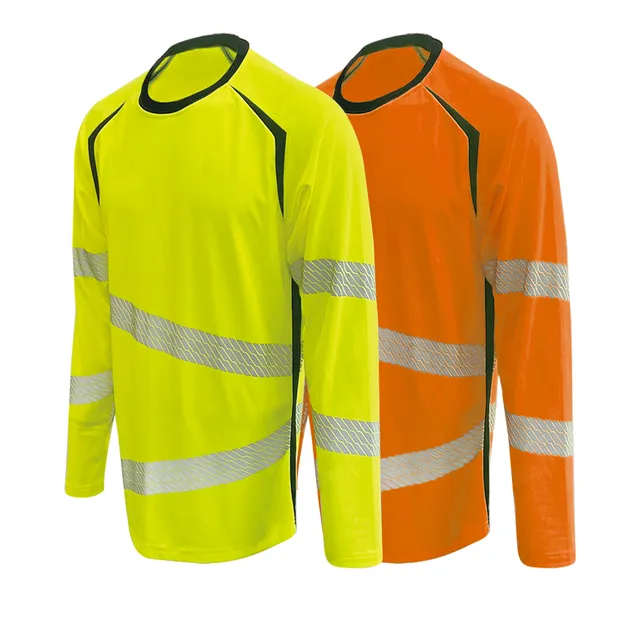
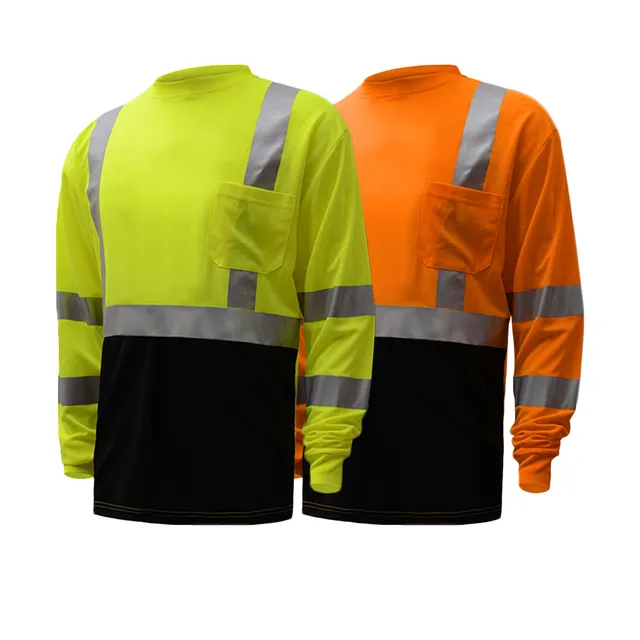
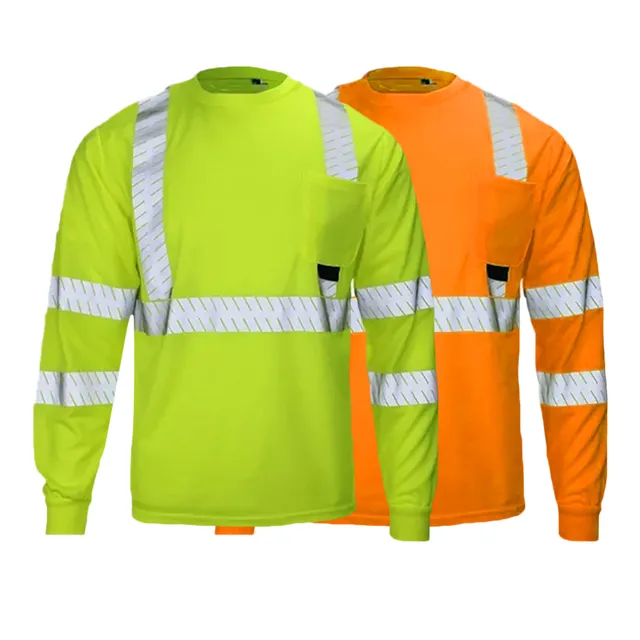

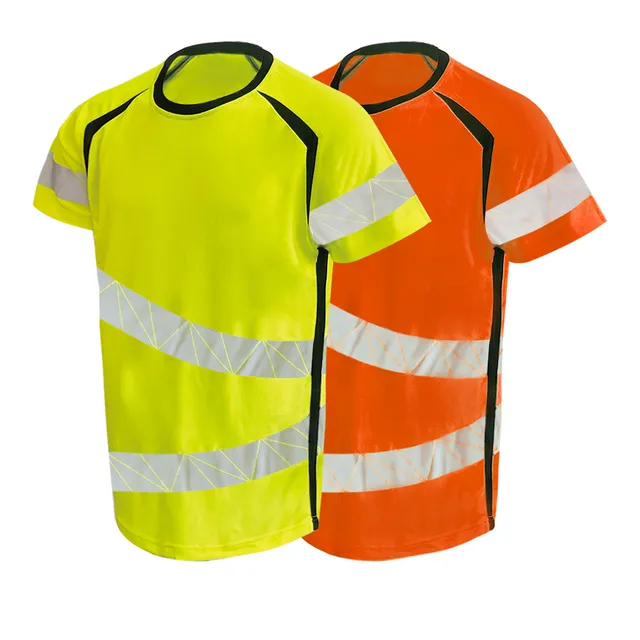

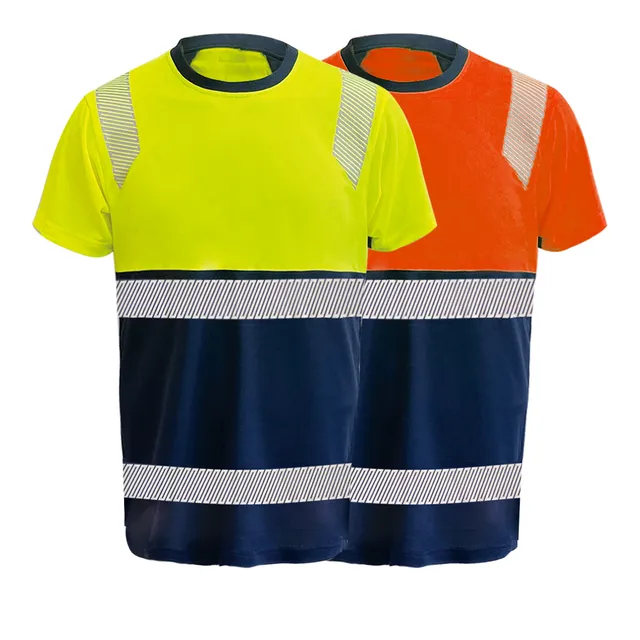
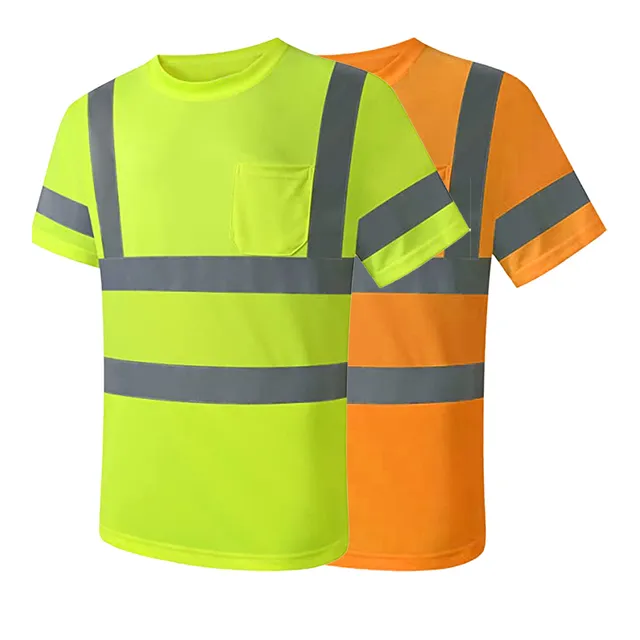


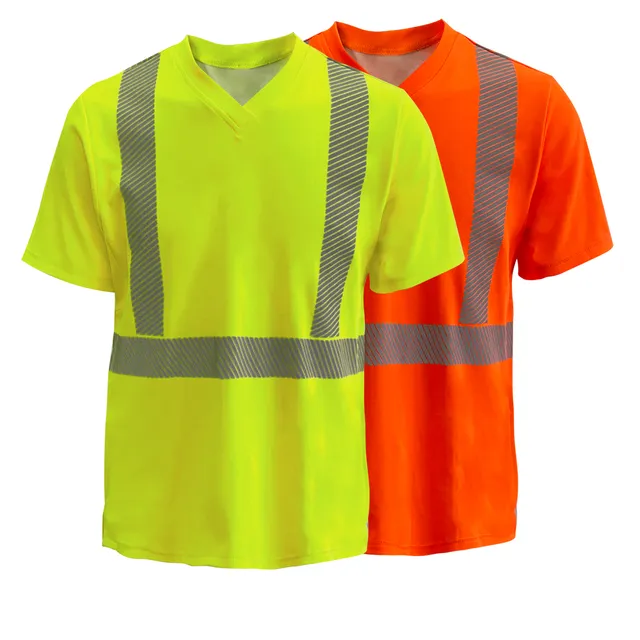
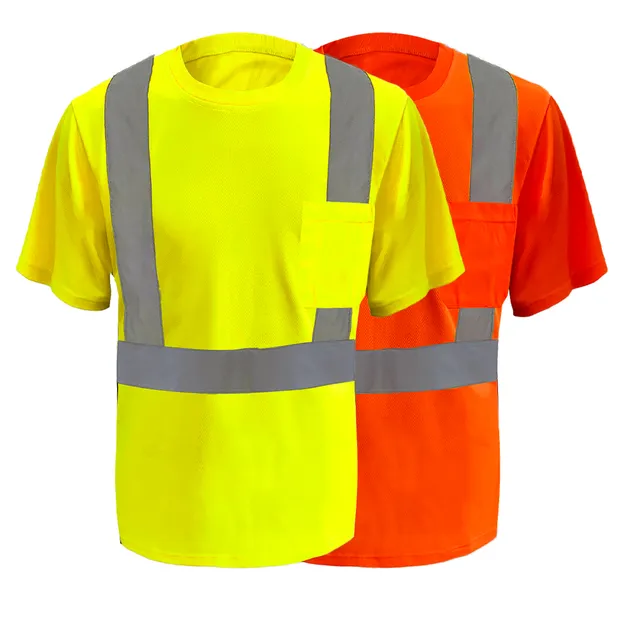


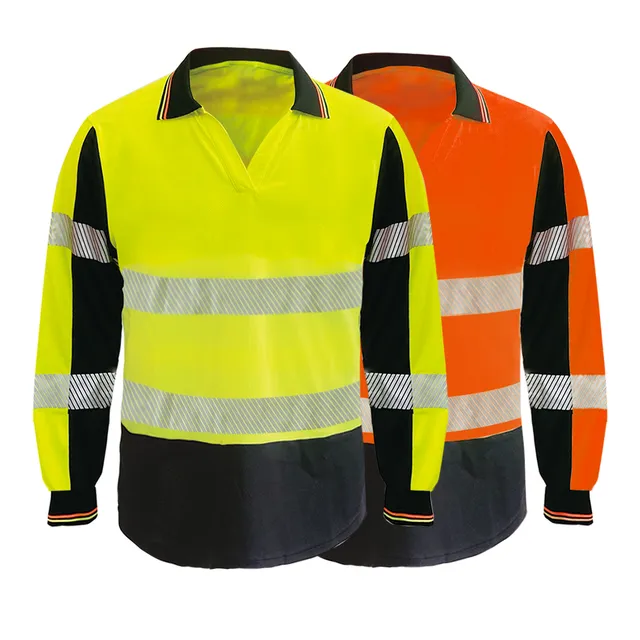
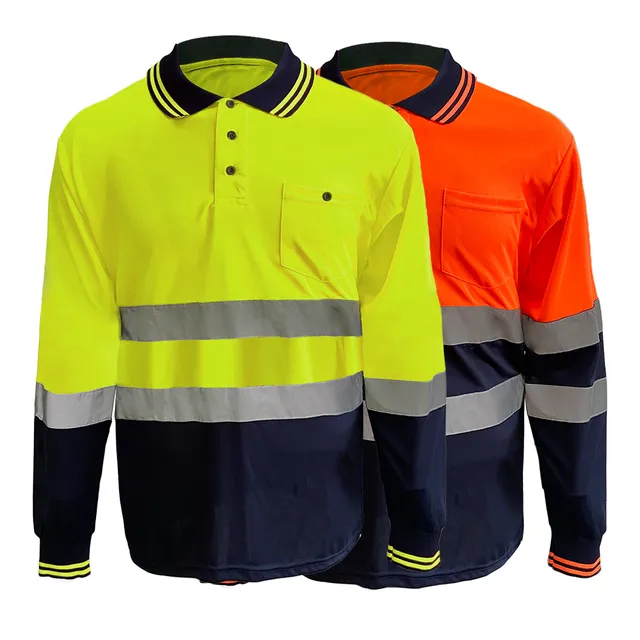
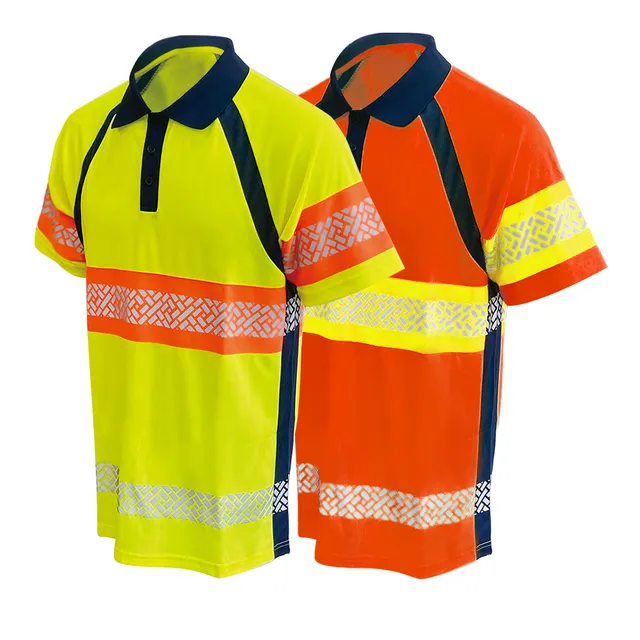
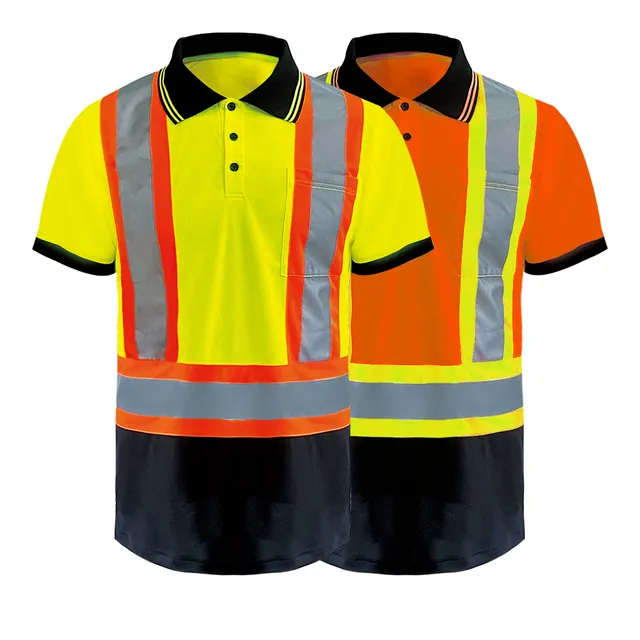
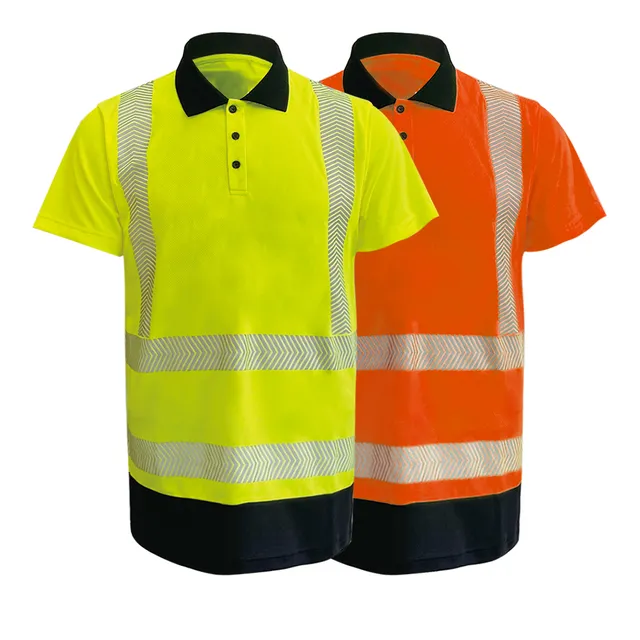

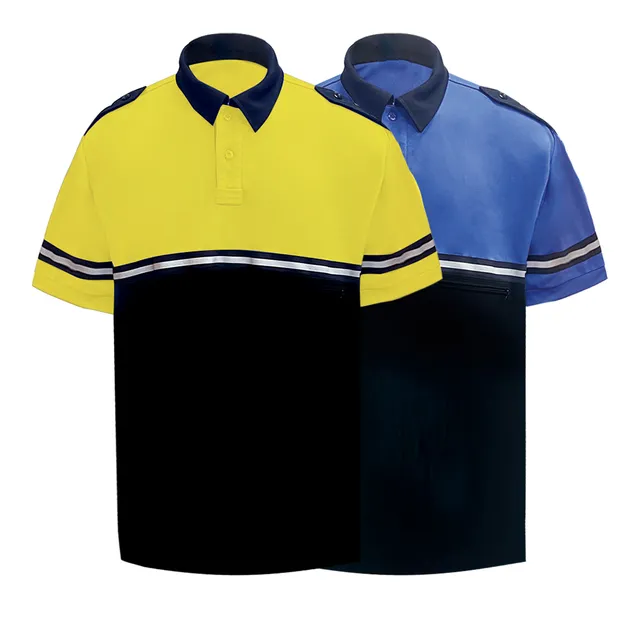


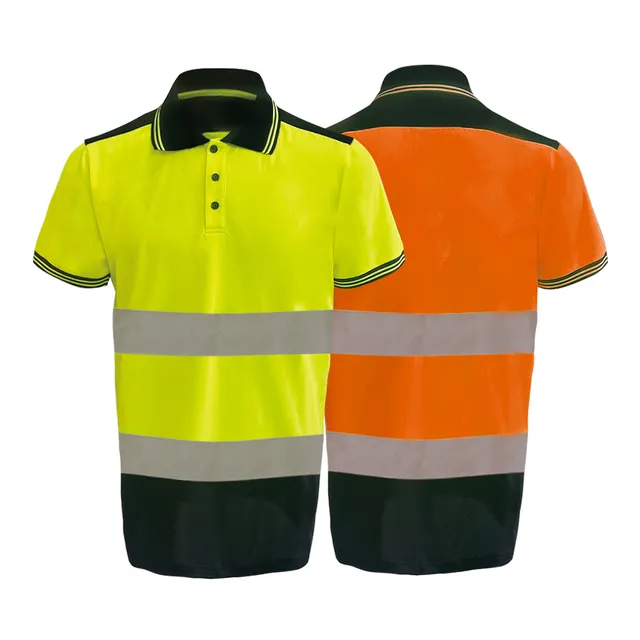


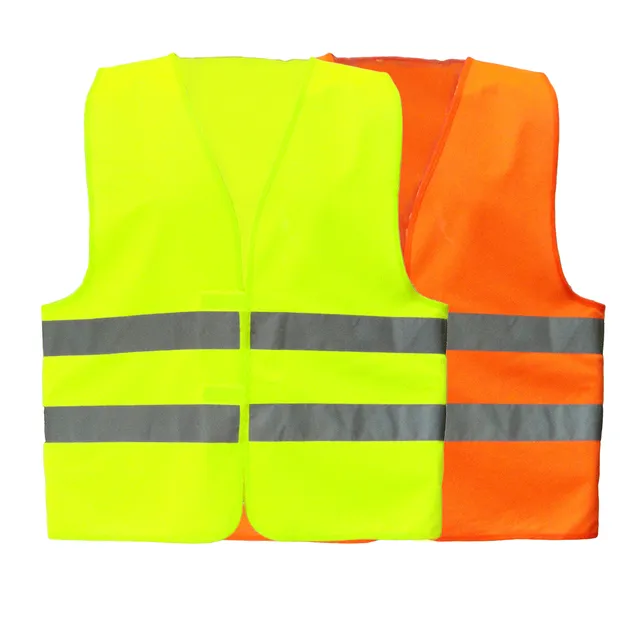

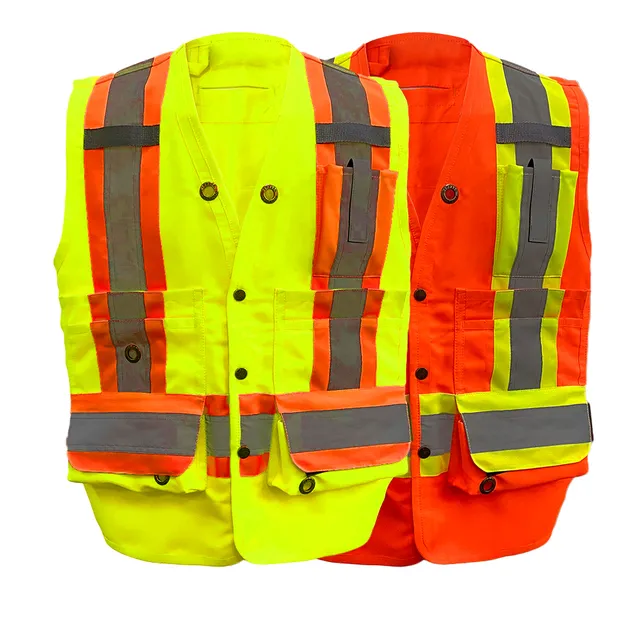
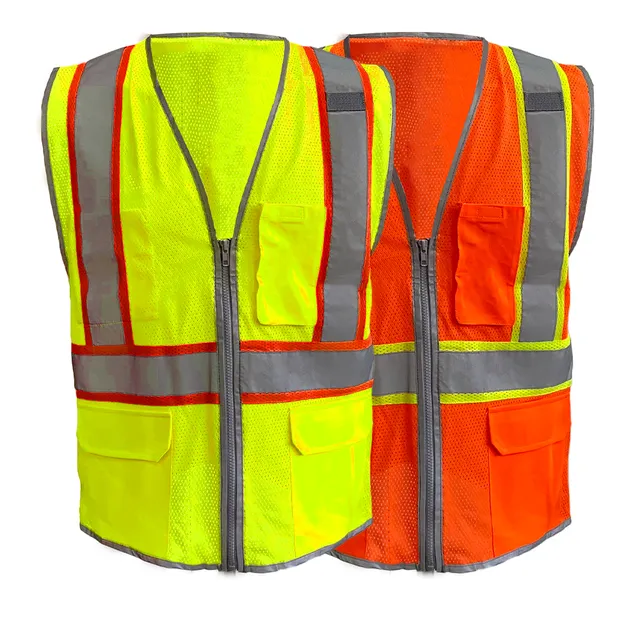
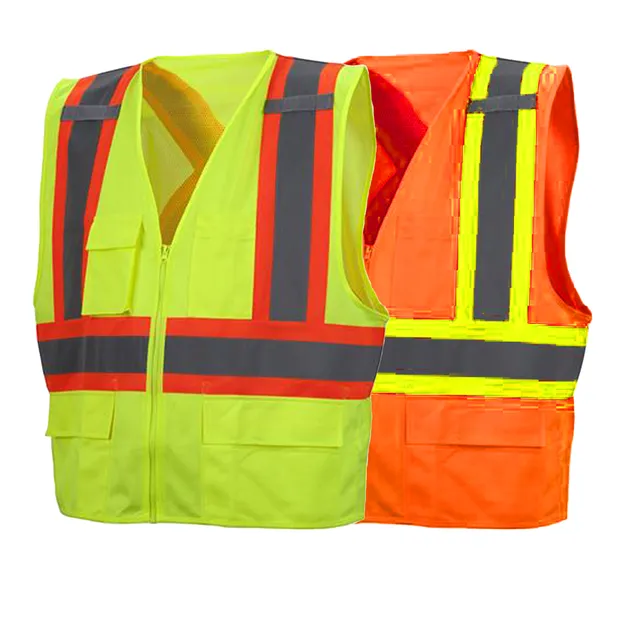
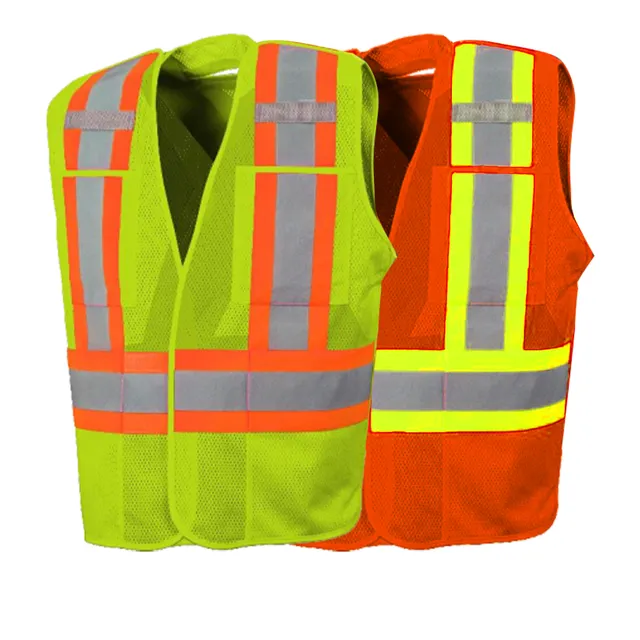

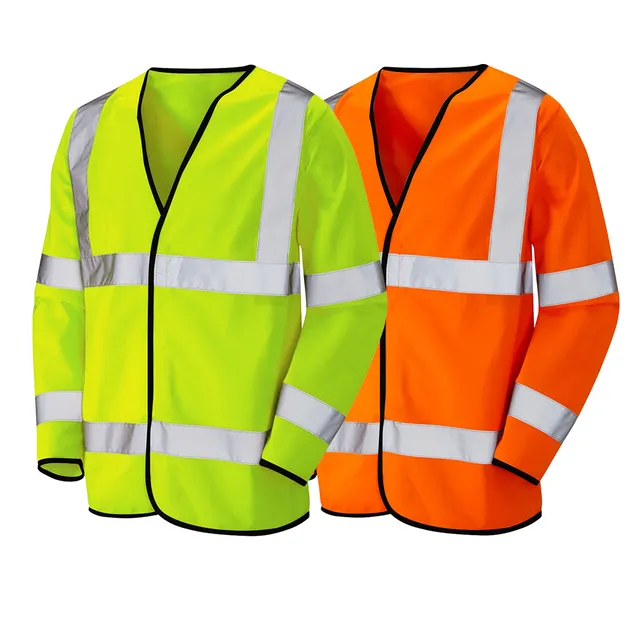
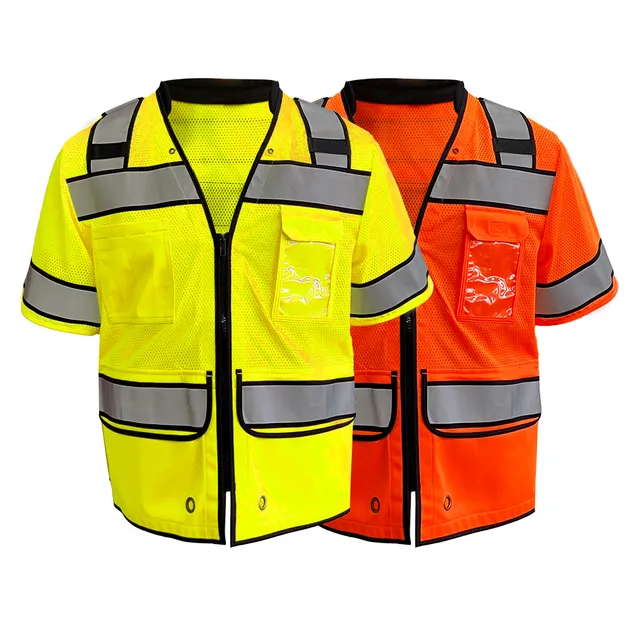
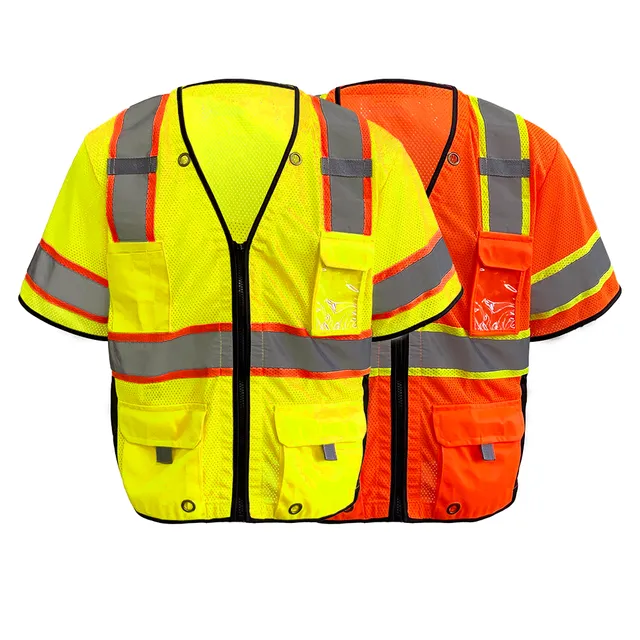
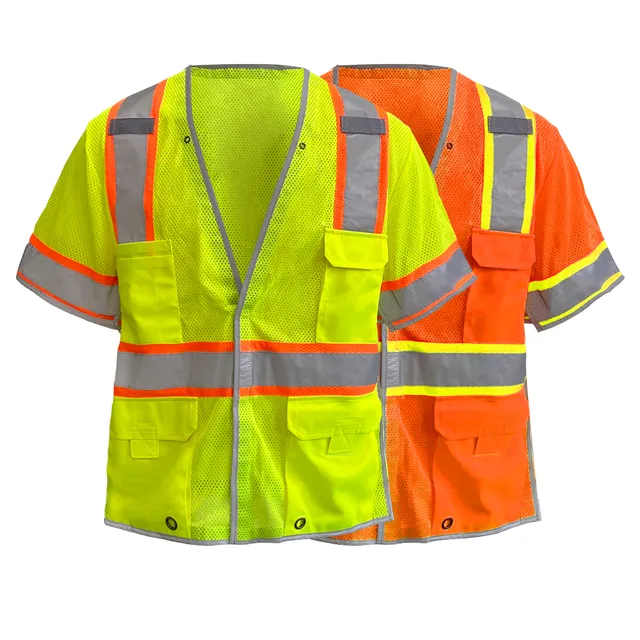
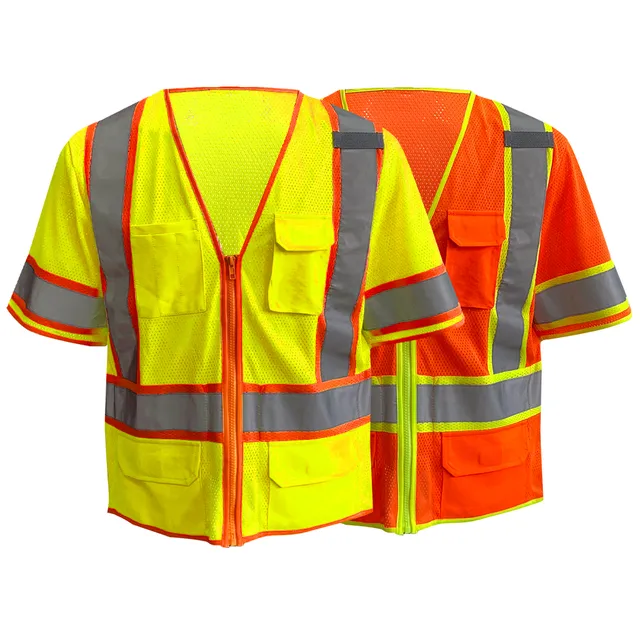
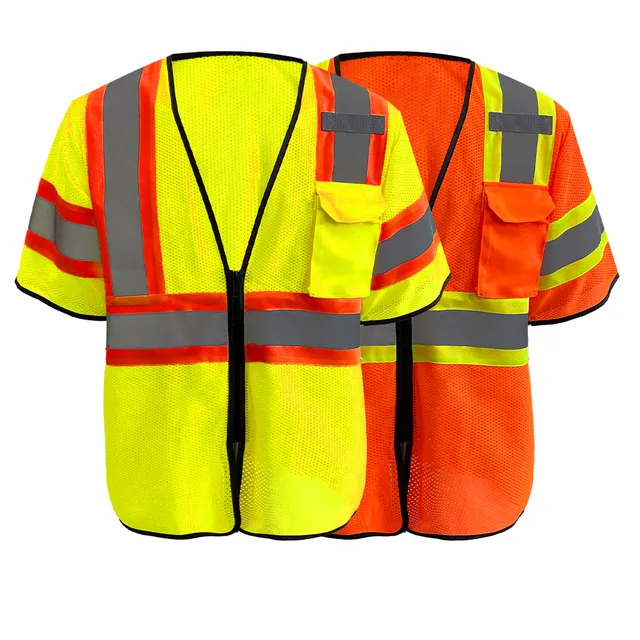
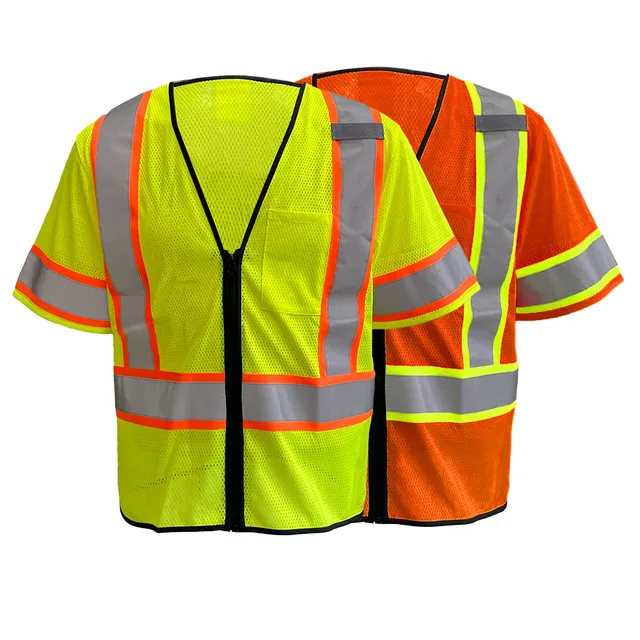

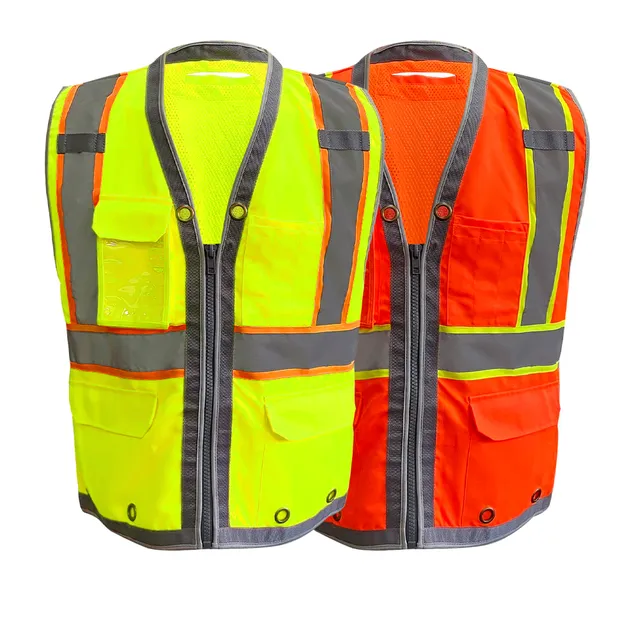
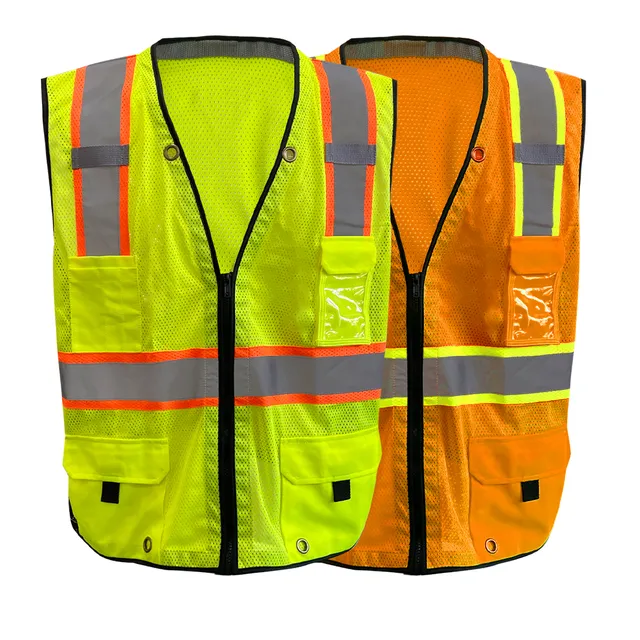
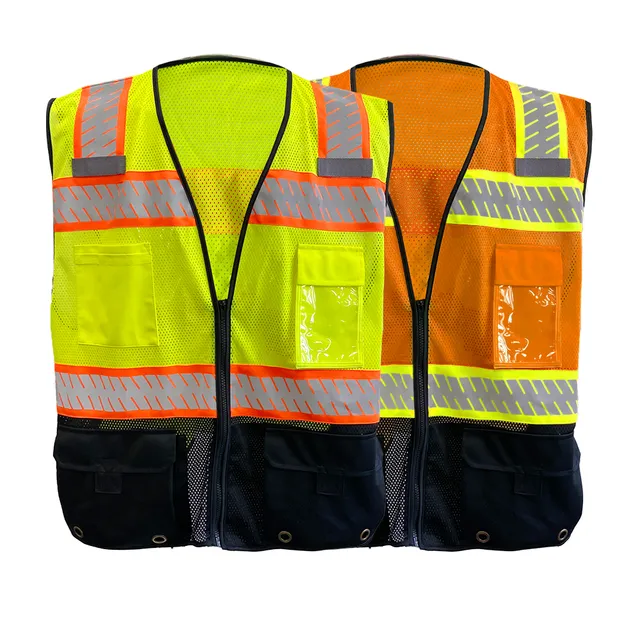
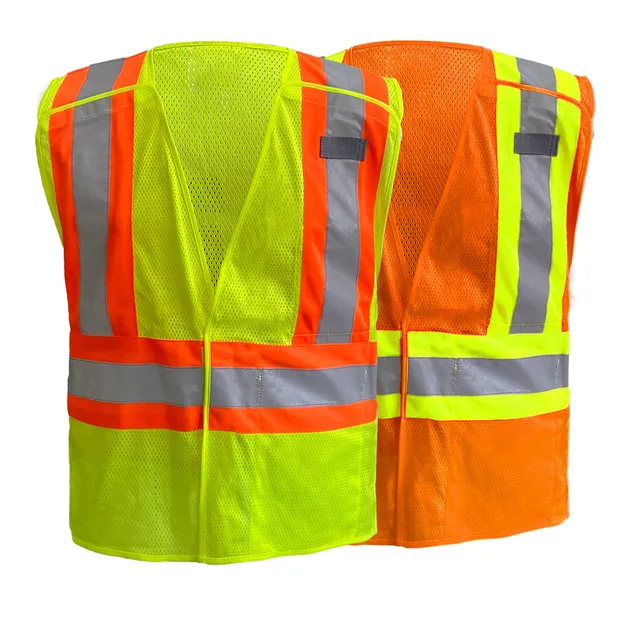
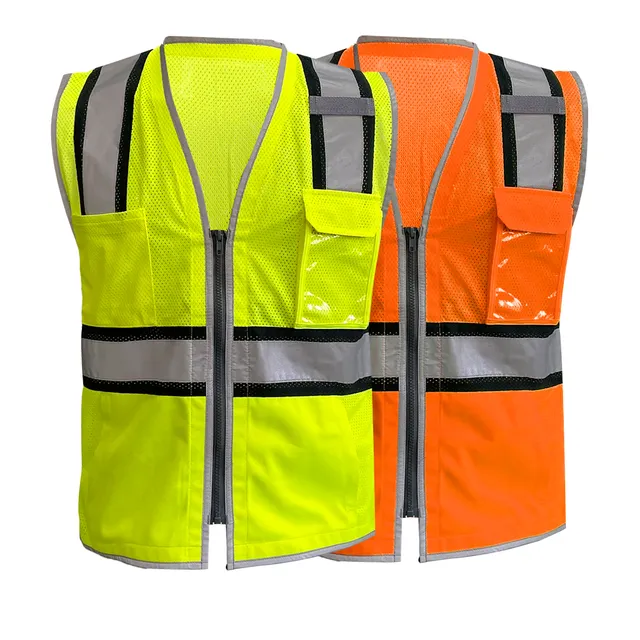
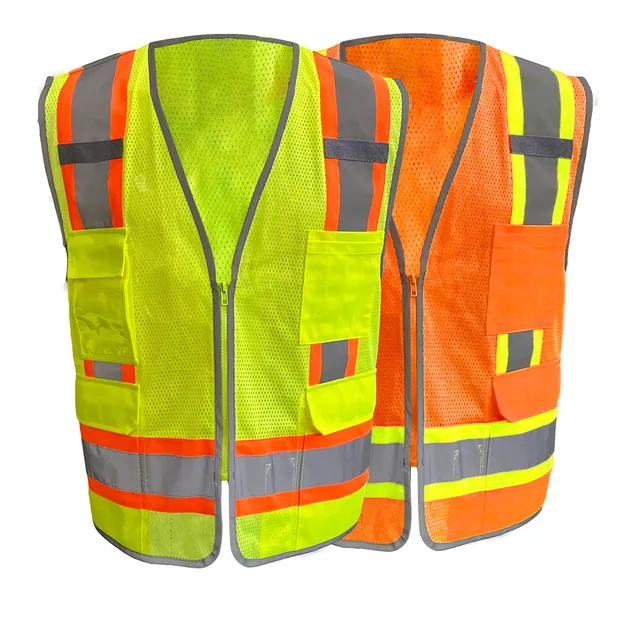
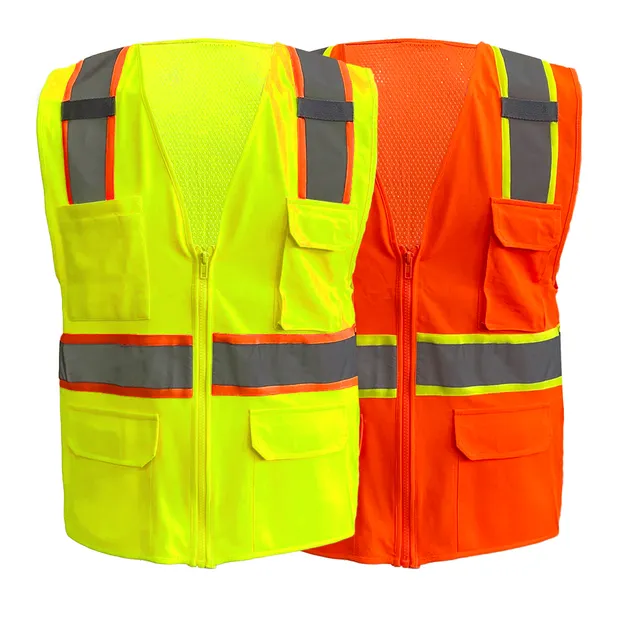
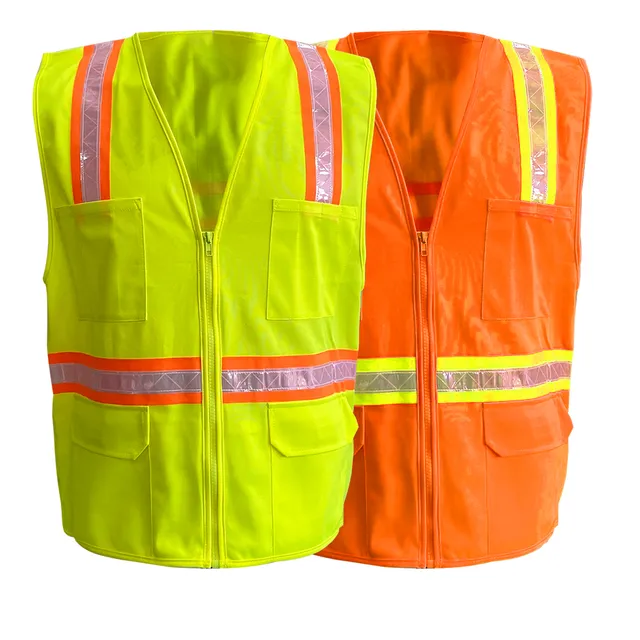
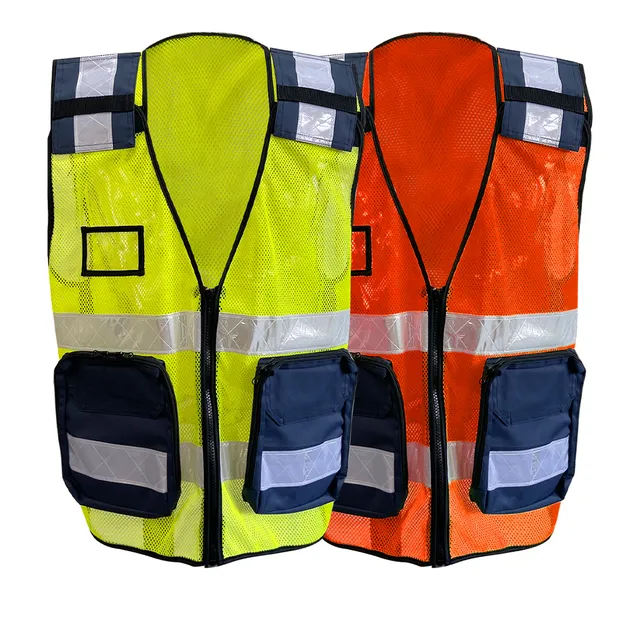
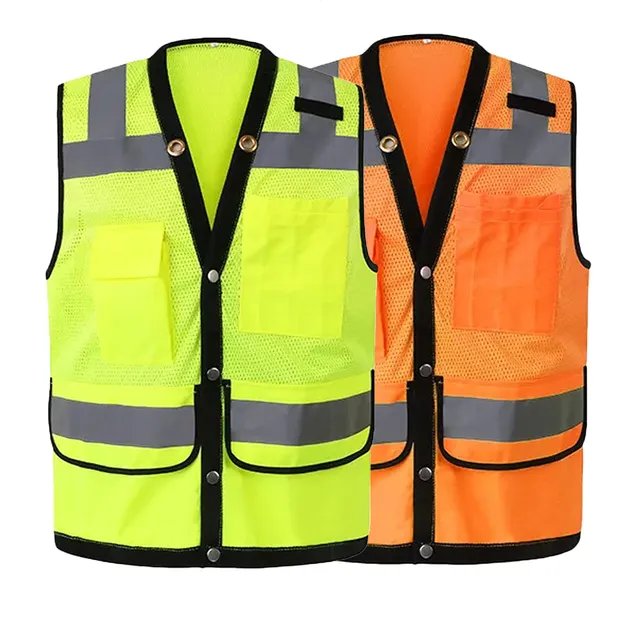
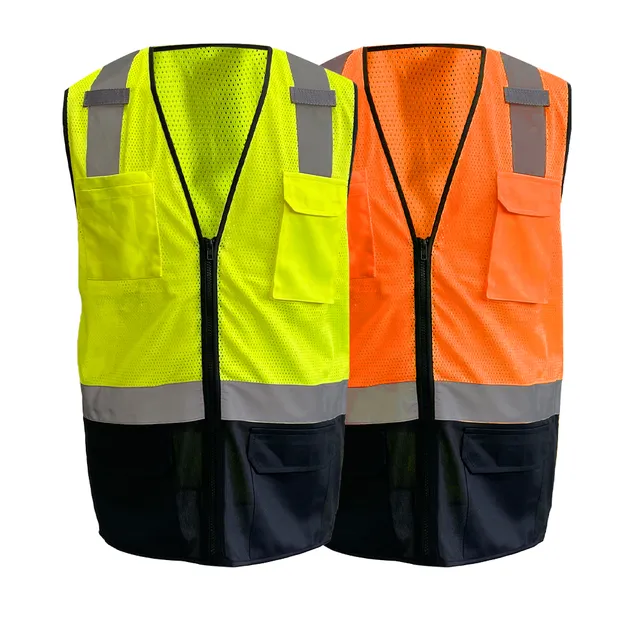
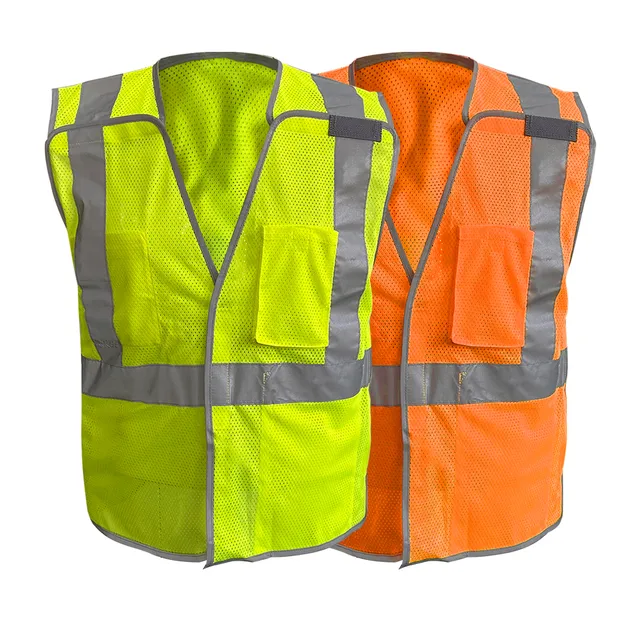
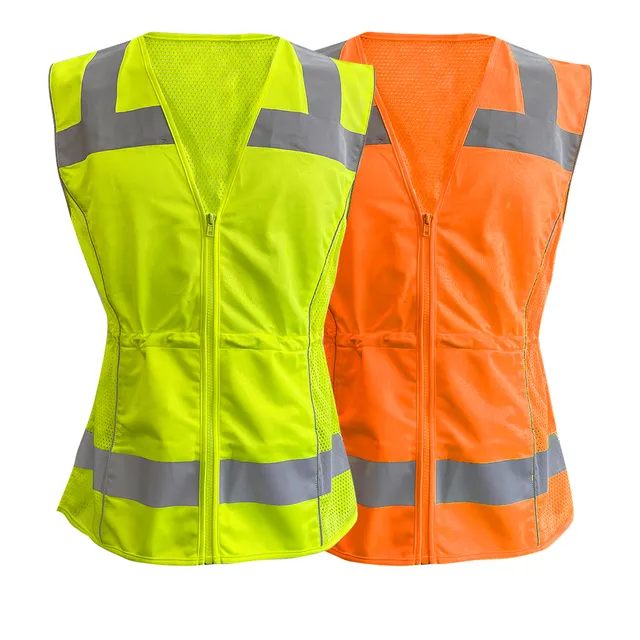
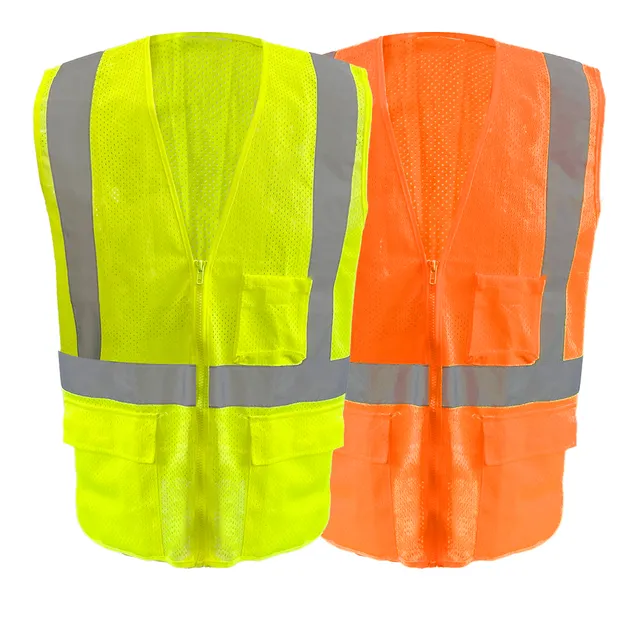
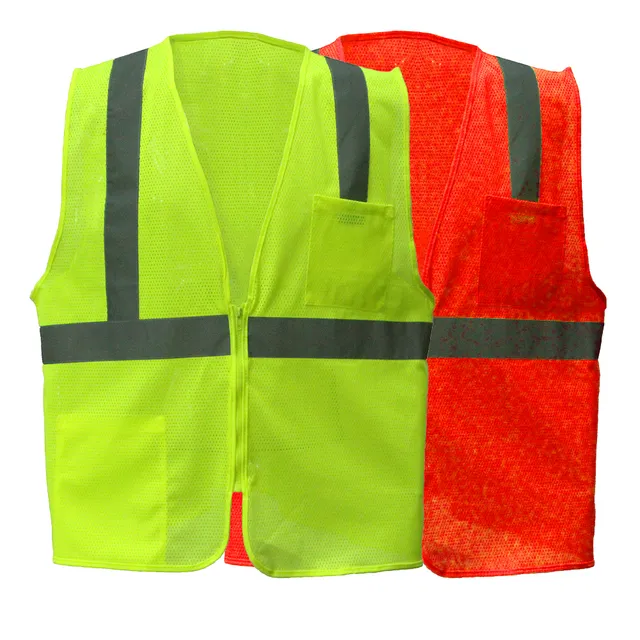


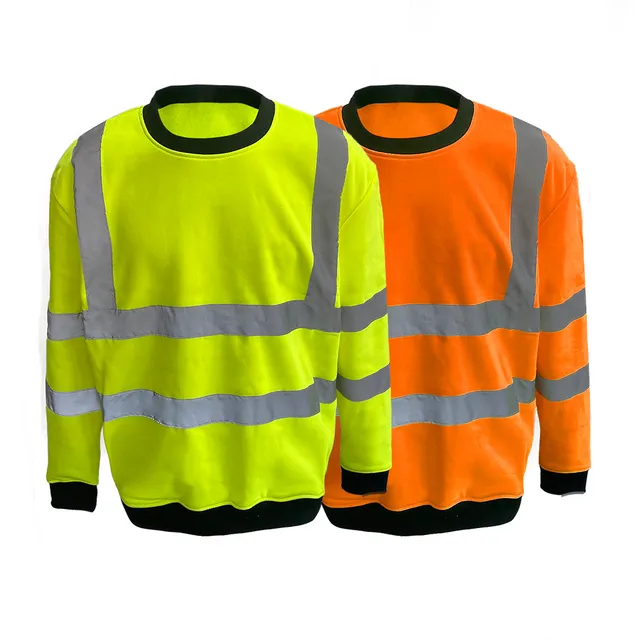
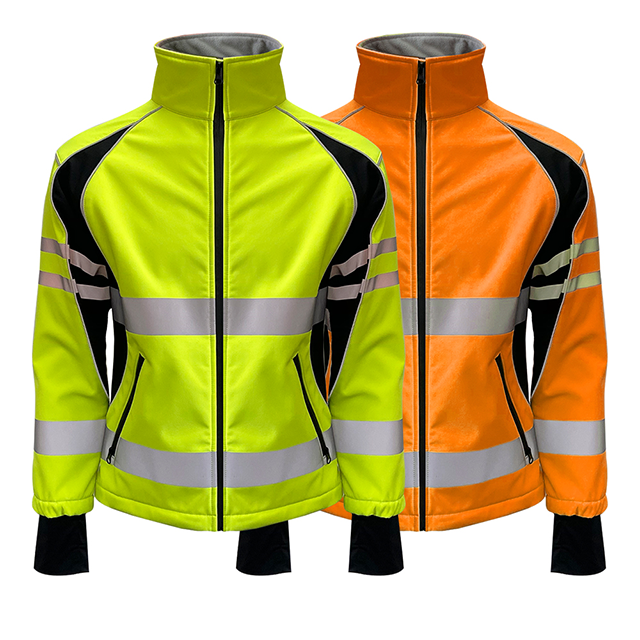


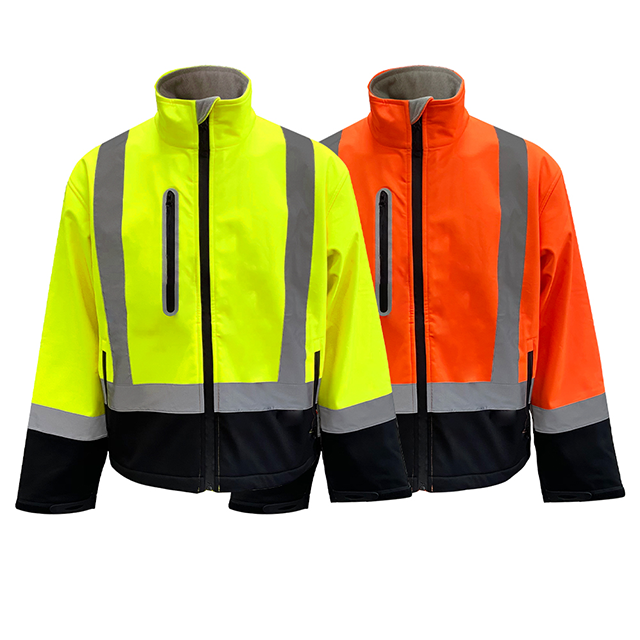

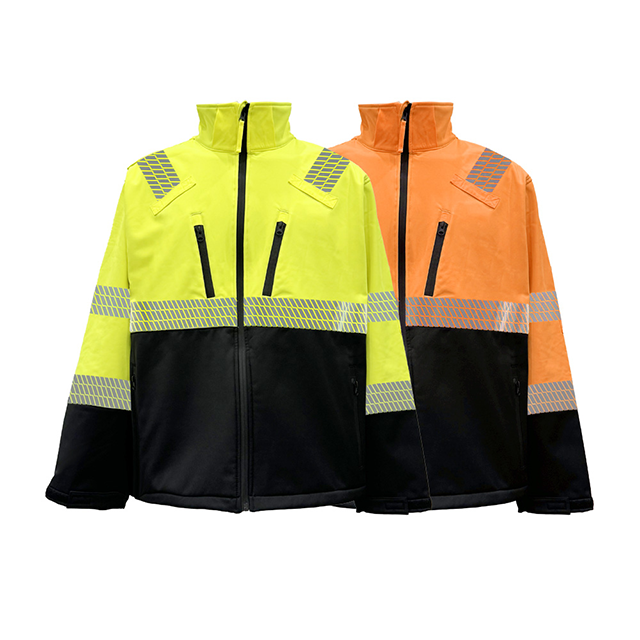


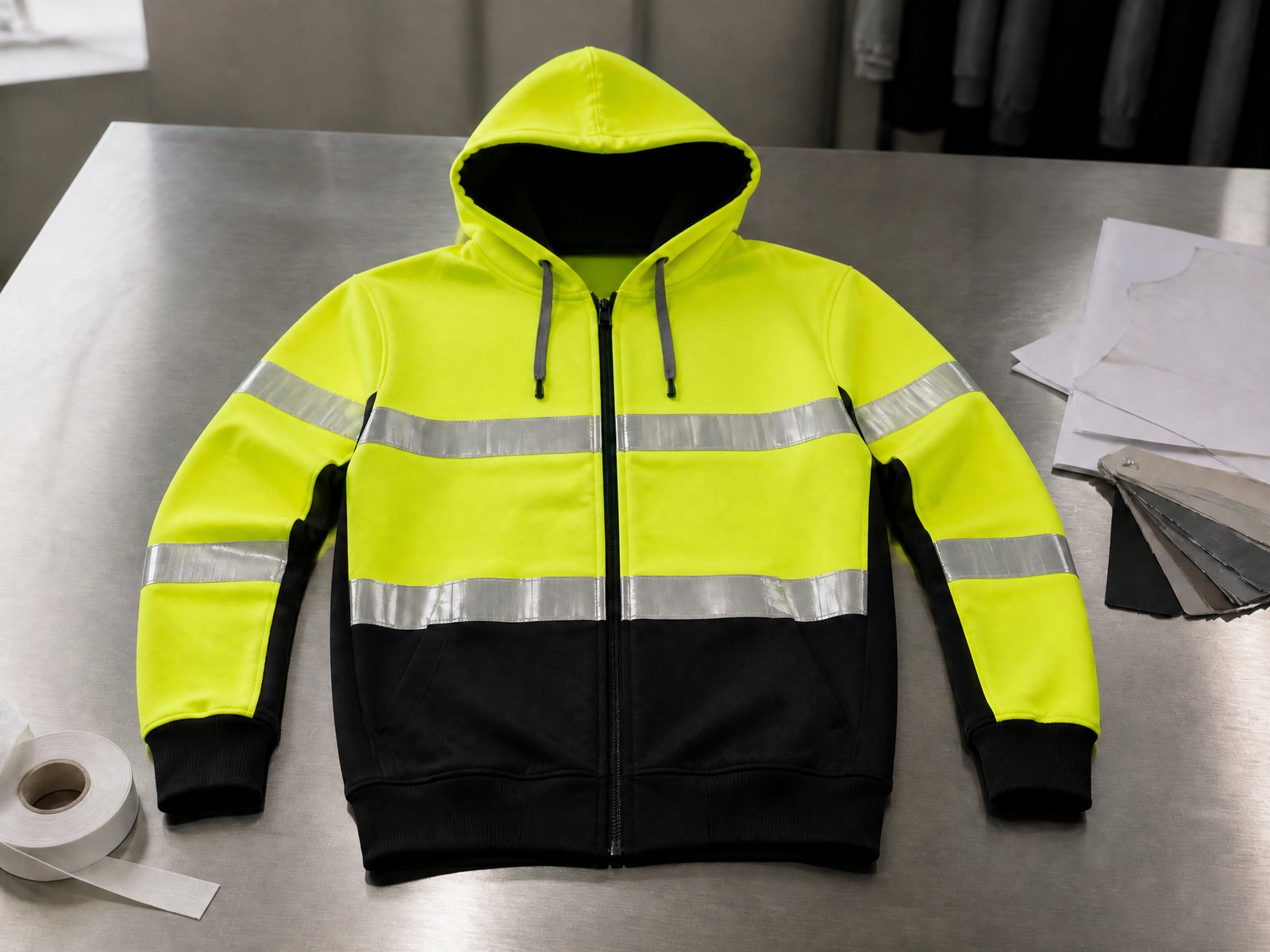
The hi vis sample approval process has one job: prove the production garment will match the specification before bulk fabric is cut. Approve it against measurements, tape layout and material references, not against how it photographs. One consolidated comment sheet is what keeps an approval to a single round.
Hi Vis Sample Approval Process: What the Sample Has to Prove
A production-intent sample should be cut from the same fabric roll and reflective tape as the bulk order, on the same machine settings. Ask for the roll references on the sample tag before you pick up a tape measure.
| Hi vis sample approval process step | What to check | Pass criterion |
|---|---|---|
| Material identity | Fabric weight, tape roll numbers, trims | Same references as the bulk purchase order |
| Tape layout | Band width, distance from shoulder seam, bands per sleeve | Matches the tech pack drawing within 5 mm |
| Fluorescent area | Front and back panel area on the submitted size | Meets the minimum for the declared class |
| Measurements | Chest, body length, sleeve, on the size you will order | Inside the tolerance stated on the spec sheet |
| Branding | Label placement, print method, print size | Matches approved artwork and the named method |
Measure the Garment, Not the Photograph
Photos flatten what decides acceptance: a band set 8 mm low, a sleeve 15 mm short, a tape grade one step lighter. Lay the sample flat, measure the points your spec sheet names, and write each figure beside its tolerance.
Two habits cause most rejections. The tape is the correct grade but the layout was moved to clear a pocket, or the fluorescent area is only met because a larger size was submitted. Check the size you actually ordered.
One Comment Sheet, One Round
Write every comment into one numbered list before replying, sorted into must-fix and note-only. Each must-fix line needs the location, the measured value and the required value, with a tape measure visible in the photo.
A counter-sample is only justified for changes that alter the pattern: tape position, fit, hood shape. Print colour and packing notes can be settled on the size ratio order or at pre-production, which removes a full round.
What to Sign Off and What to Hold
Sign the fit and appearance page once the measurements pass, and hold the standard claim until the test report covers the submitted materials. The 2026 edition of ANSI/ISEA 107 asks manufacturers to provide a declaration of conformity per style on request, so request it against the sample’s style number rather than the factory catalogue.
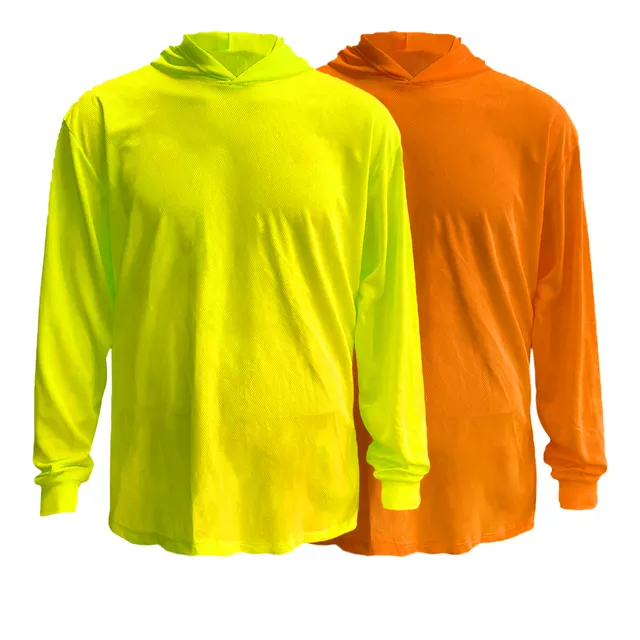
Keep the approved sample sealed, dated and labelled with its roll references; it is the reference for any later dispute. For a range that includes custom hi vis hoodies and jackets, approve one sample per style and colourway, because a non-fluorescent hood or a darker lower panel changes what the tape has to do.
Want a hi vis sample approval process that closes in one round?
Send the tech pack, the standard and the size you will order, and we will confirm which points the sample has to prove. MOQ and lead time are quoted as a range. Our factory in Zhejiang runs OEM production only.
Or send the spec sheet and we will return a sample checklist.