









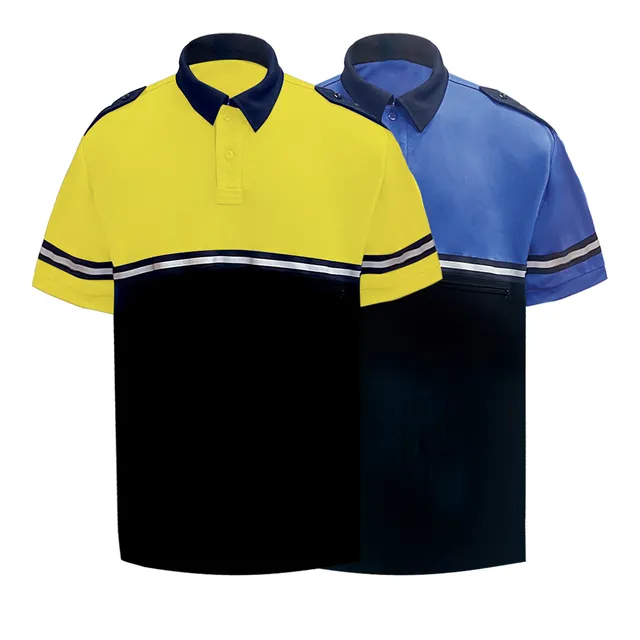


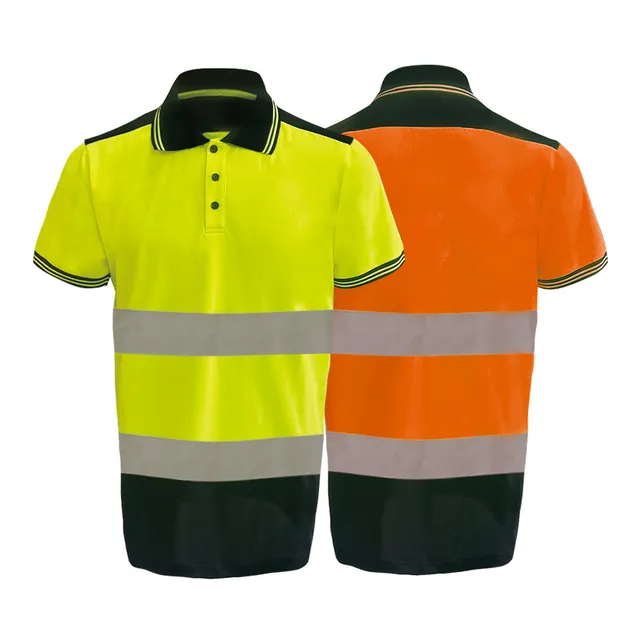


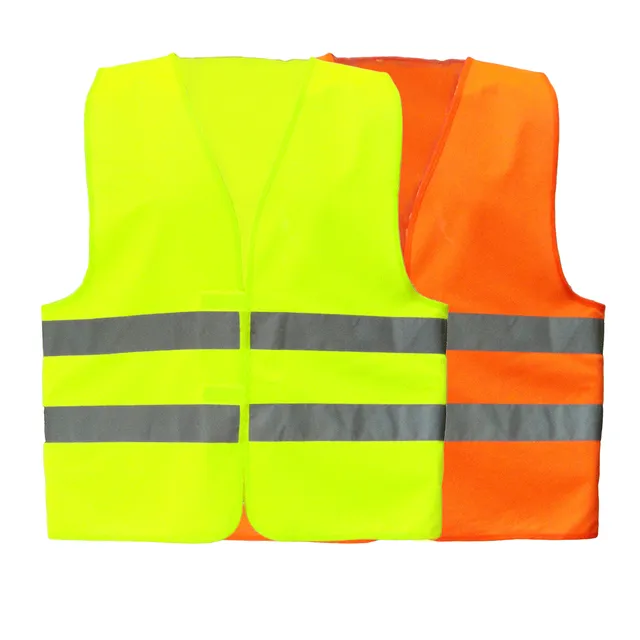

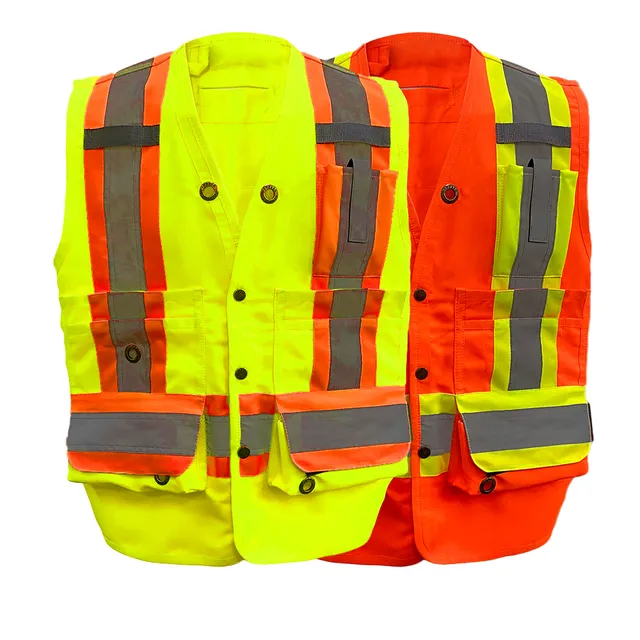

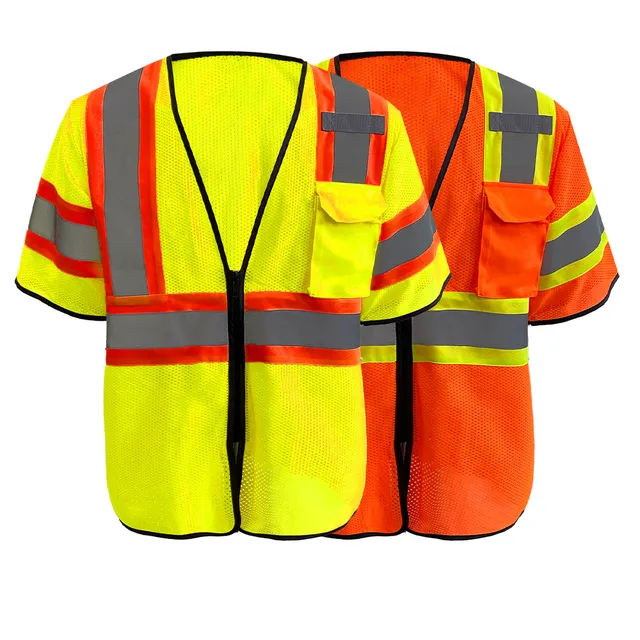
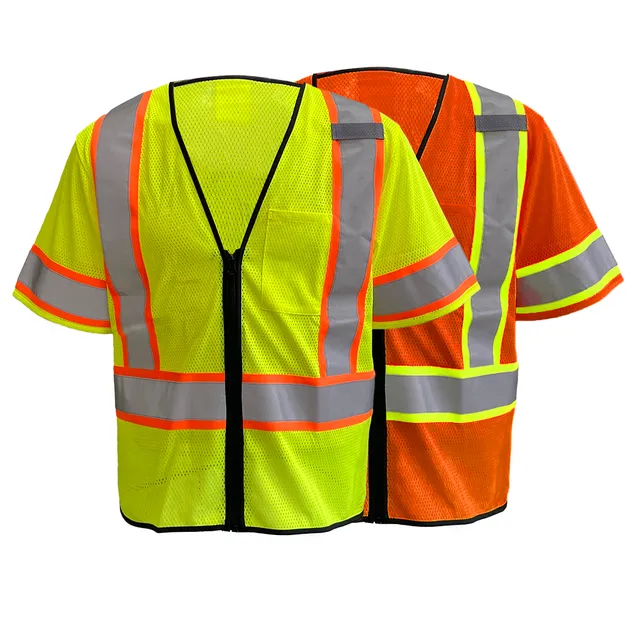

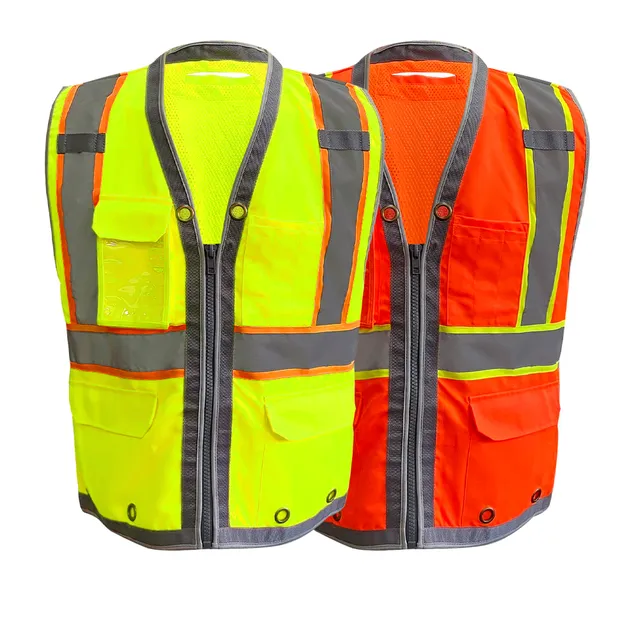
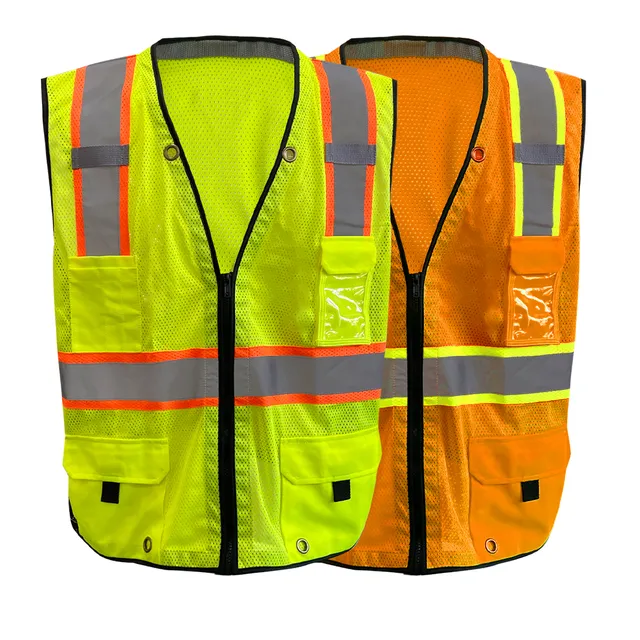
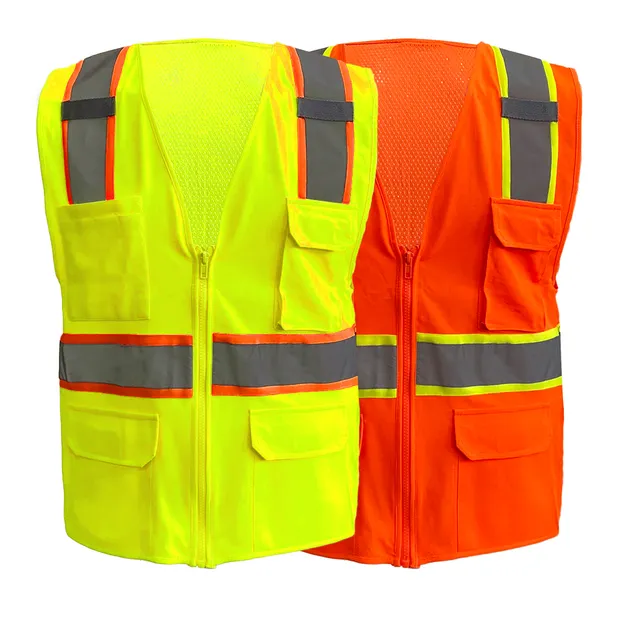
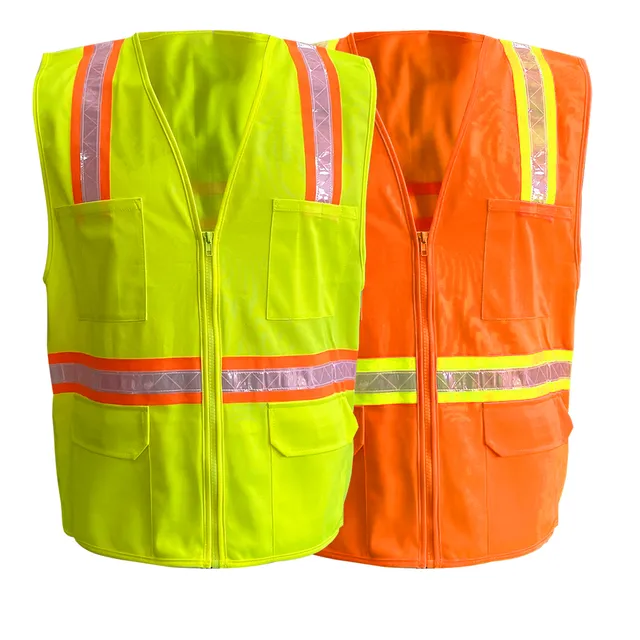
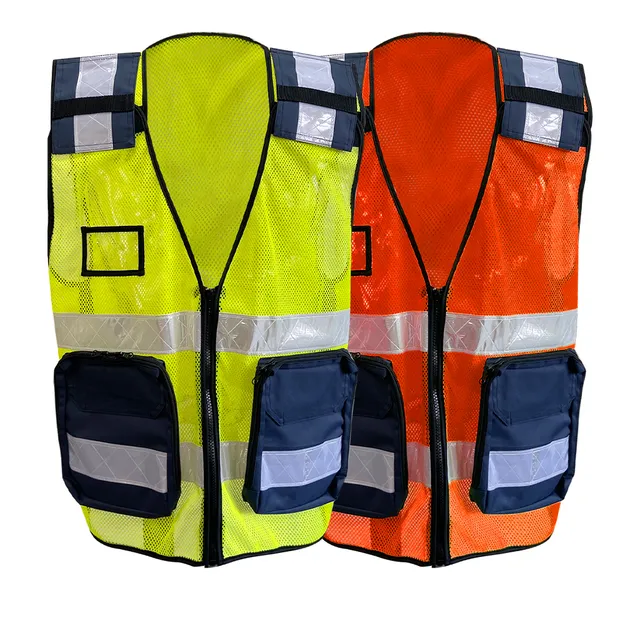
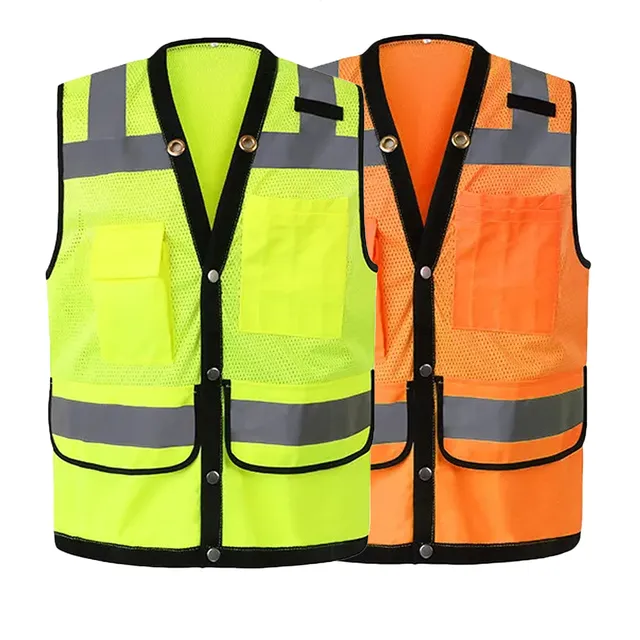





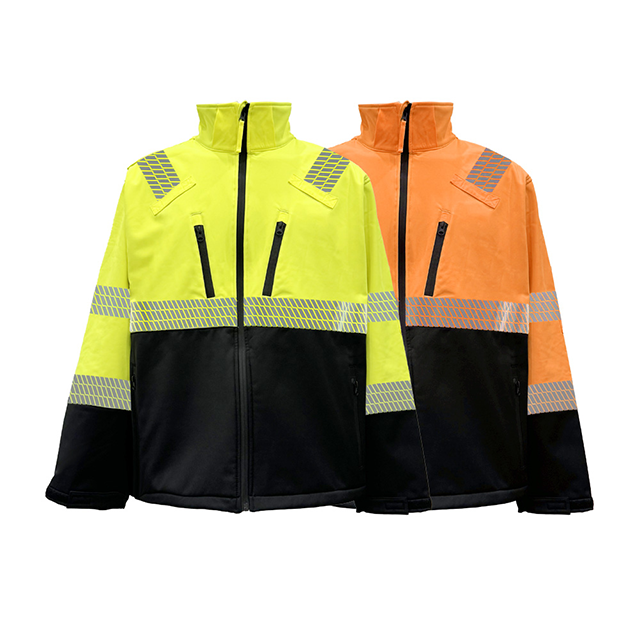


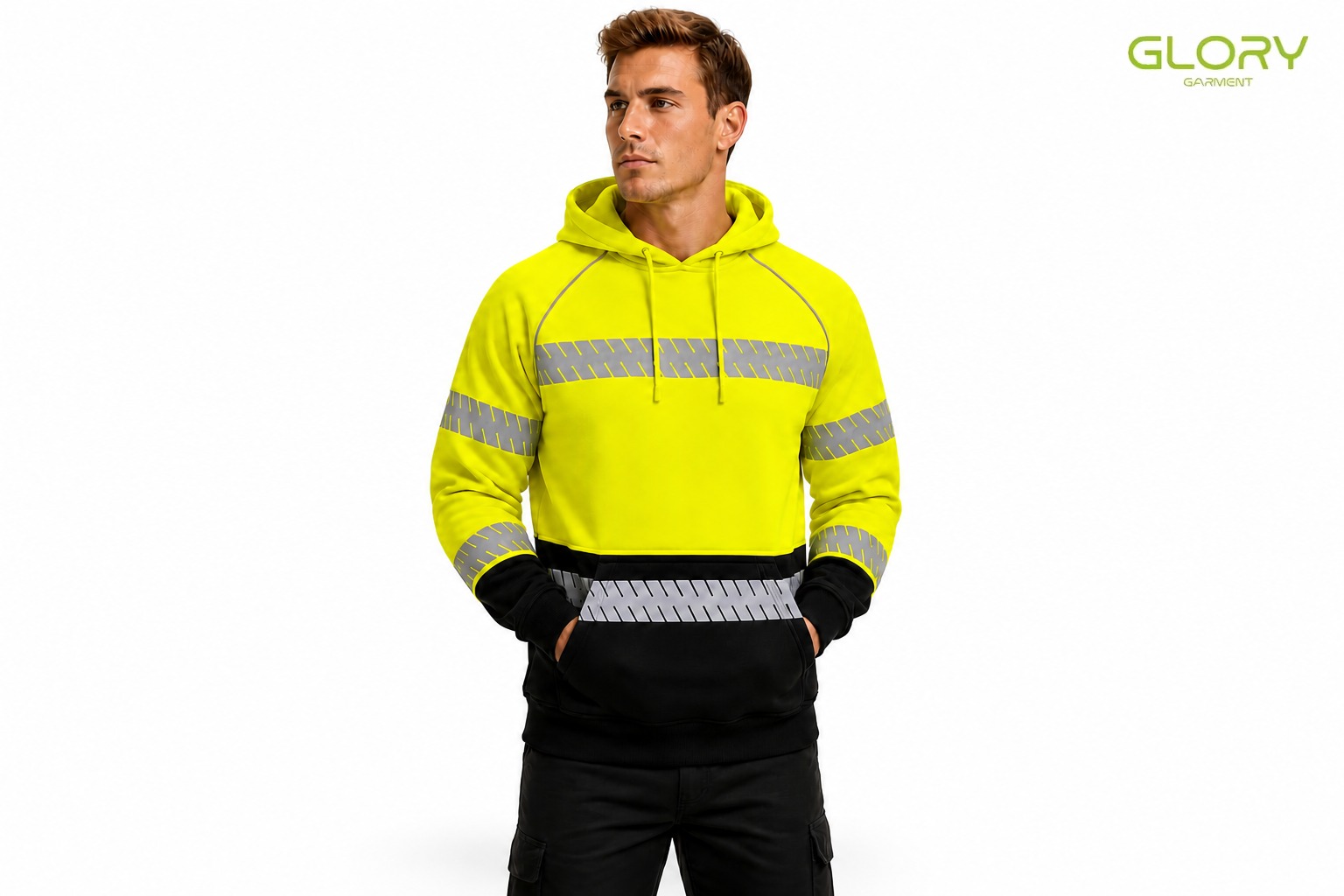
Zhejiang Glory Garment Co., Ltd. (GLORY GARMENT) is a hi-vis safety clothing manufacturer with over 17 years of experience. Our 15,000㎡ factory produces around 300,000 safety vests, 150,000 safety t-shirts and 100,000 safety jackets every month, for more than 100 clients in the U.S., Europe and other markets.
Learn more about our factory →
What Can Be Customised — and What Shouldn’t Be
A custom hi vis hoodie is not a stock garment with a logo added. Buyers often assume “custom” means choosing a colour and sending a logo file. In practice a factory can adjust far more than that — and there are three things that should be left alone, because changing them affects whether the garment still meets its standard.
This covers all three groups: what is straightforward, what changes the price, and what must not be touched.
Options that come as standard on a custom hi vis hoodie
These are normal variations in a workwear order. They usually have no effect on unit price or minimum order quantity.
-
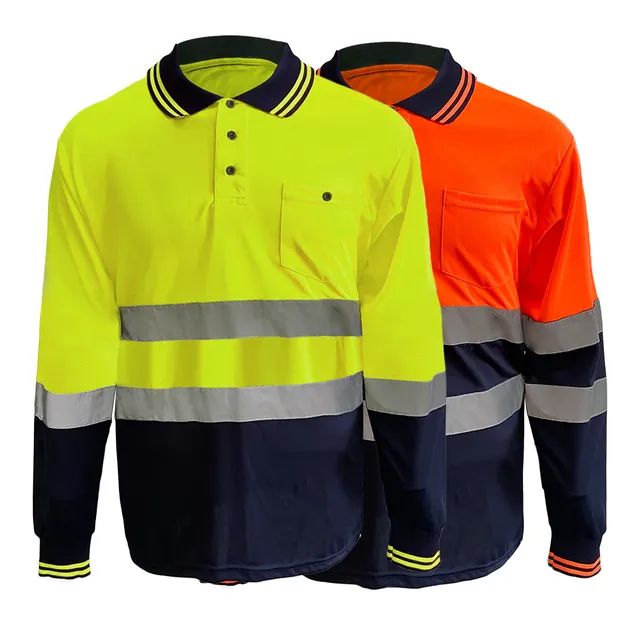
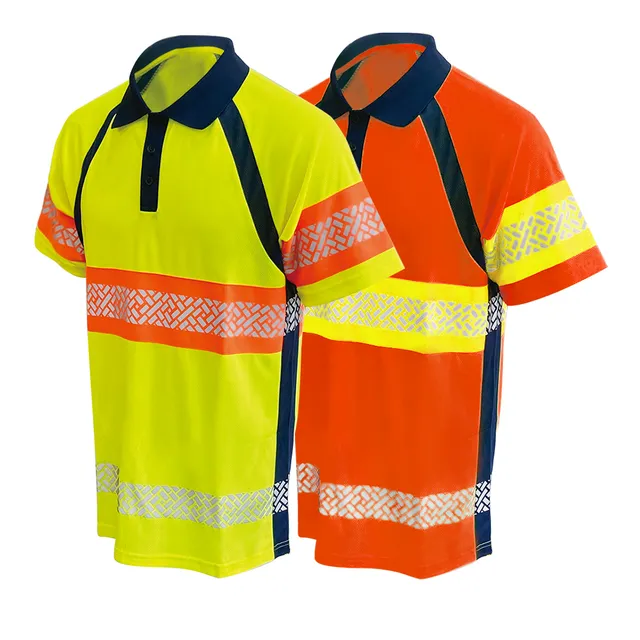
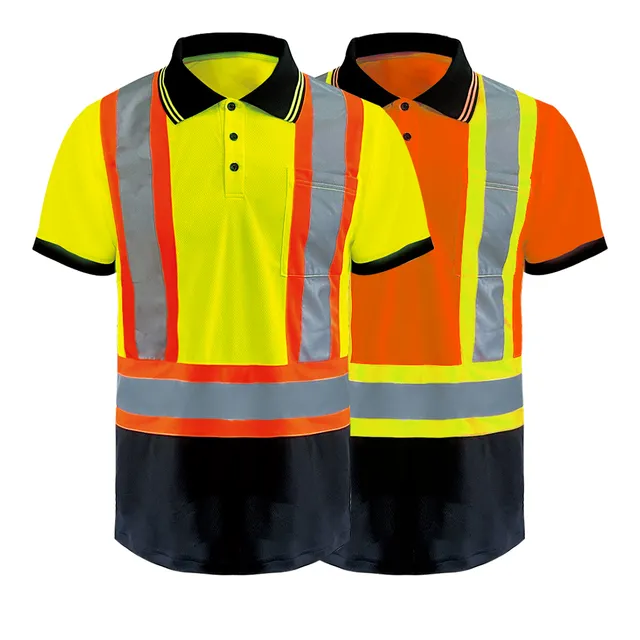
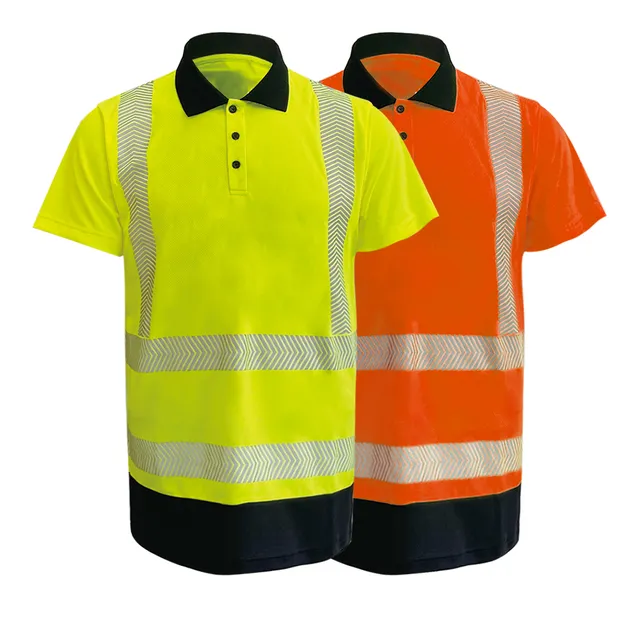
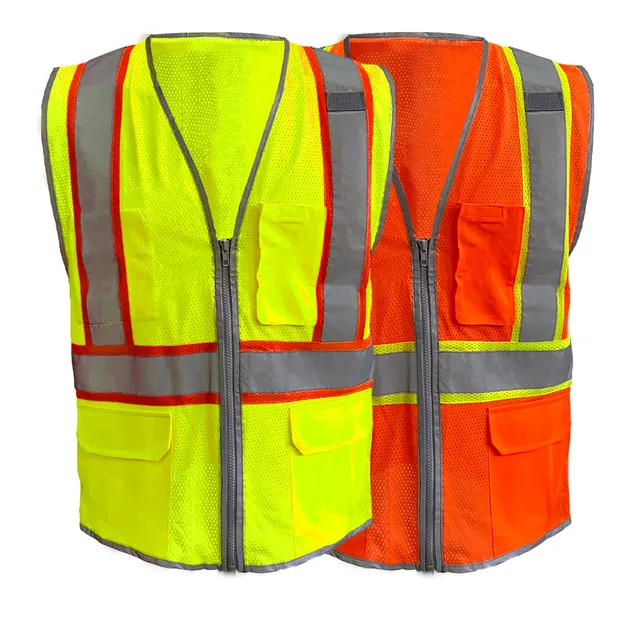
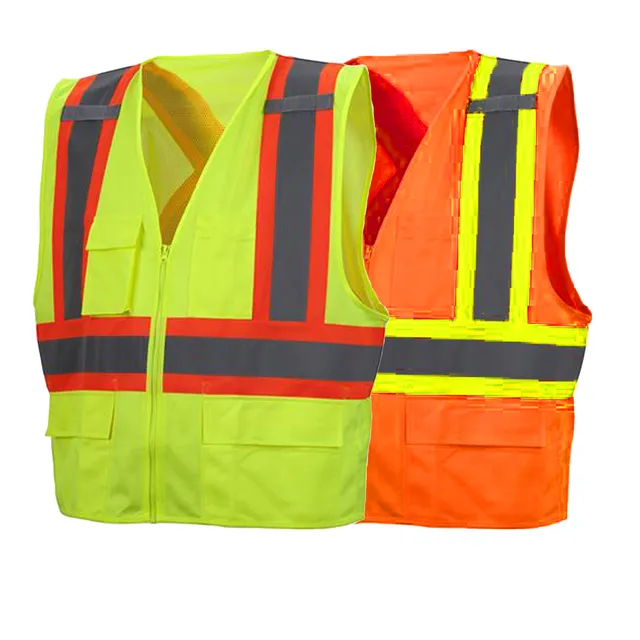
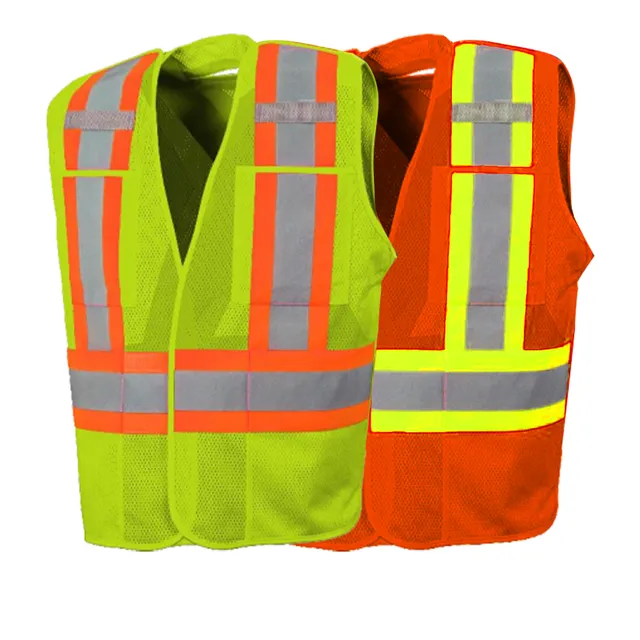
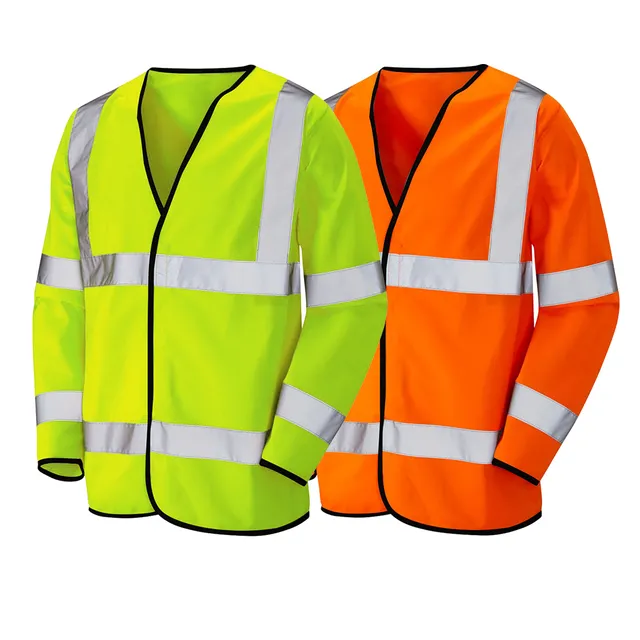
Base colour. Fluorescent yellow, fluorescent orange and fluorescent red-orange are the three recognised hi vis colours. Any other colour is no longer hi vis — this is not a styling preference, it is part of the standard.
-
Sizing range. Most factories run a standard S–3XL, with extended and tall sizes available. The size ratio matters more than the size list: an order weighted towards larger sizes will usually cost more, because larger sizes consume more fabric.
-
Packaging. Polybag, hangtag, or retail-ready presentation. This is often treated as an afterthought, but if your garments go straight onto a shelf or into a customer’s distribution centre, decide early — pack quantities and carton labelling are fixed at the production stage, not afterwards.
-
Labels. Your own brand label, care label and size label can replace the factory’s. The certification marking and the care instructions still have to appear somewhere on the garment.
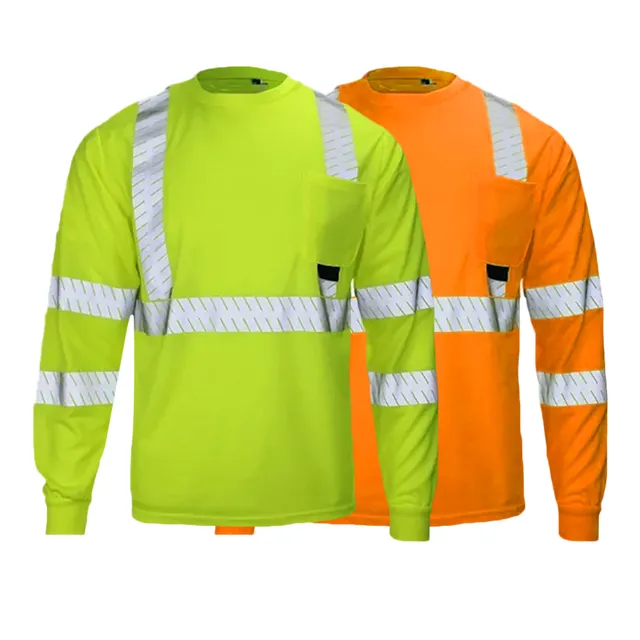
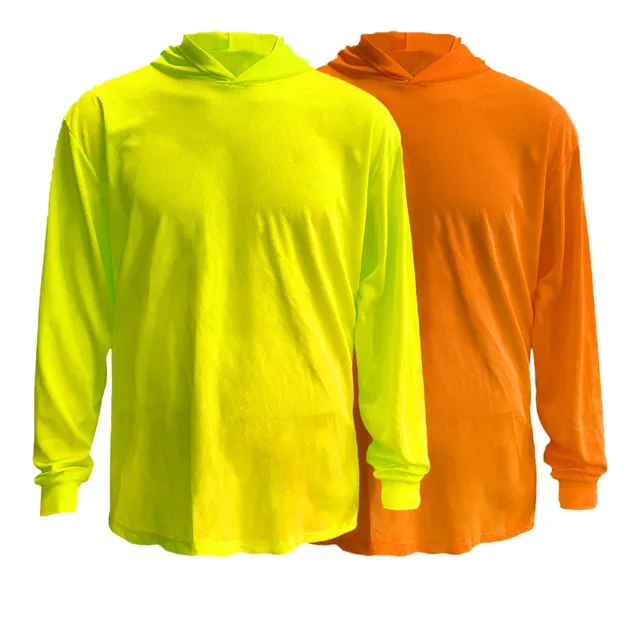
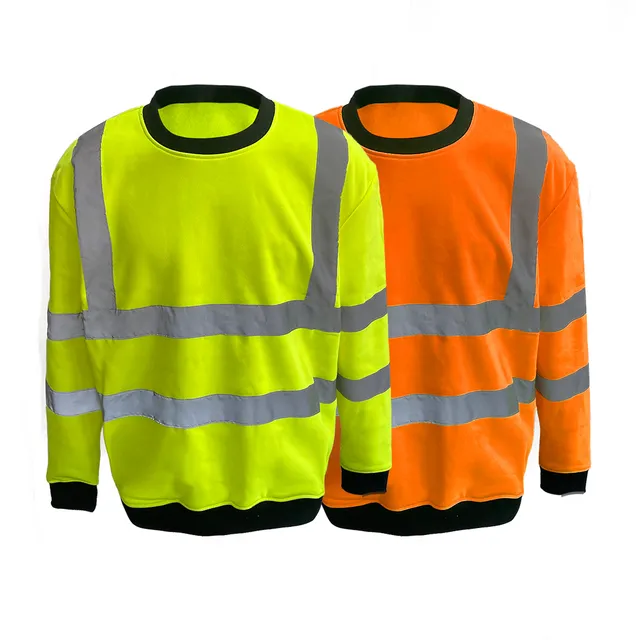
It is easier to judge these four options on a finished garment than in a list — our polyester/cotton hoodie sweatshirt GH03 is one example.
Options that change price or lead time
All three of these stay fully within your control.
-
Garment cut. Hoodie, zip-through jacket, sweatshirt, quarter-zip. Each cut needs its own pattern — and its own certification, because a certificate applies to a specific garment, not to the fabric it is made from. If you are moving from a vest to a hoodie, or from one hoodie style to another, ask whether the style you want is already certified or needs new testing.
-
Closure and pocket configuration. Full zip, half zip, pullover, inner or outer chest pocket, ID window. Small changes here are usually free. Moving a pocket so that it interferes with the reflective tape is not free, because it changes the tape layout.
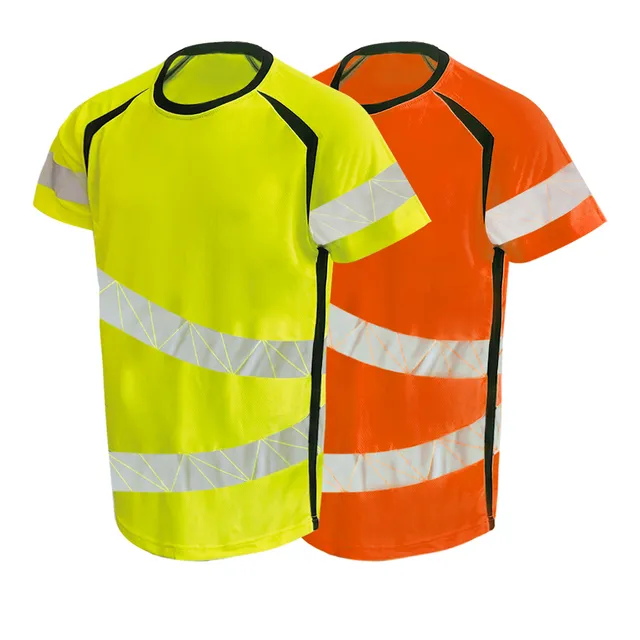
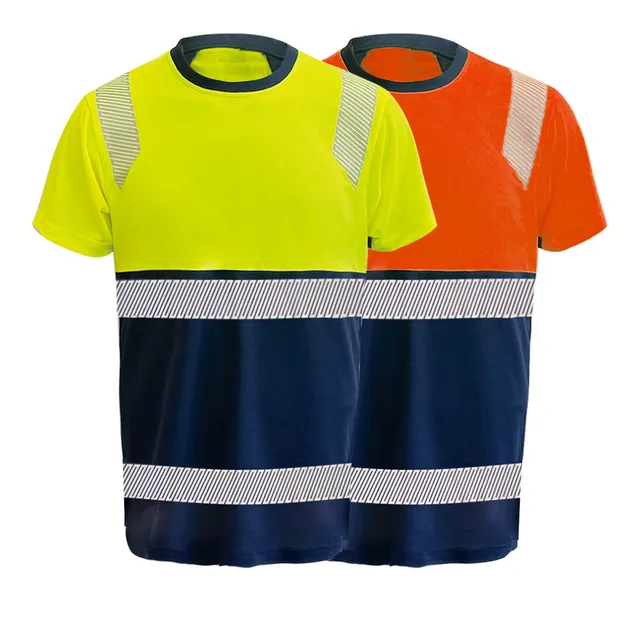
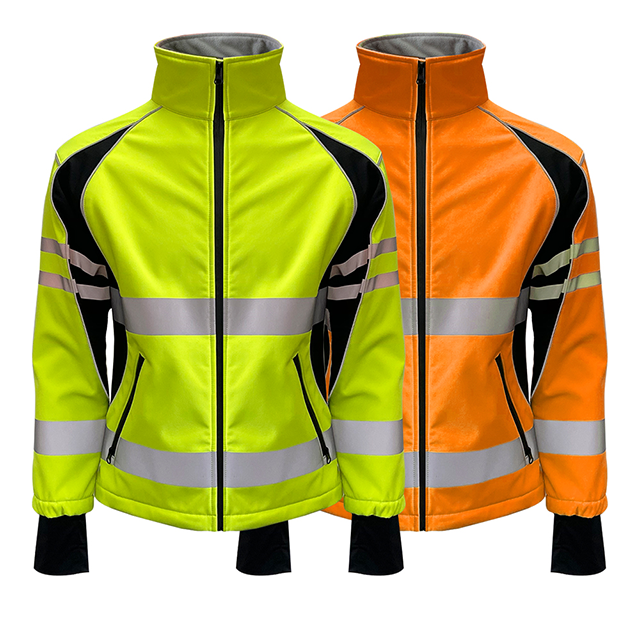
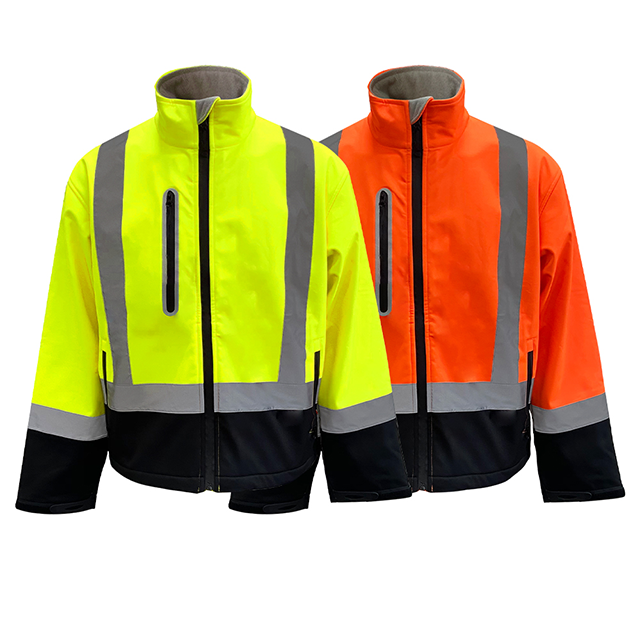
Both cuts are available as finished garments: our hi-vis hoodie sweatshirt with zipper and our hi-vis 2-tone pullover hoodie.
-
Logo application method. Screen print, heat transfer or embroidery. The method affects durability as much as cost, and it is the most common source of compliance problems on a custom hi vis order. Where the logo goes matters as much as how it is applied: it can sit on the chest, back, sleeve or hood, but the placement is limited by the tape layout rather than by design preference, because tape and logo cannot compete for the same space.
Leave these alone
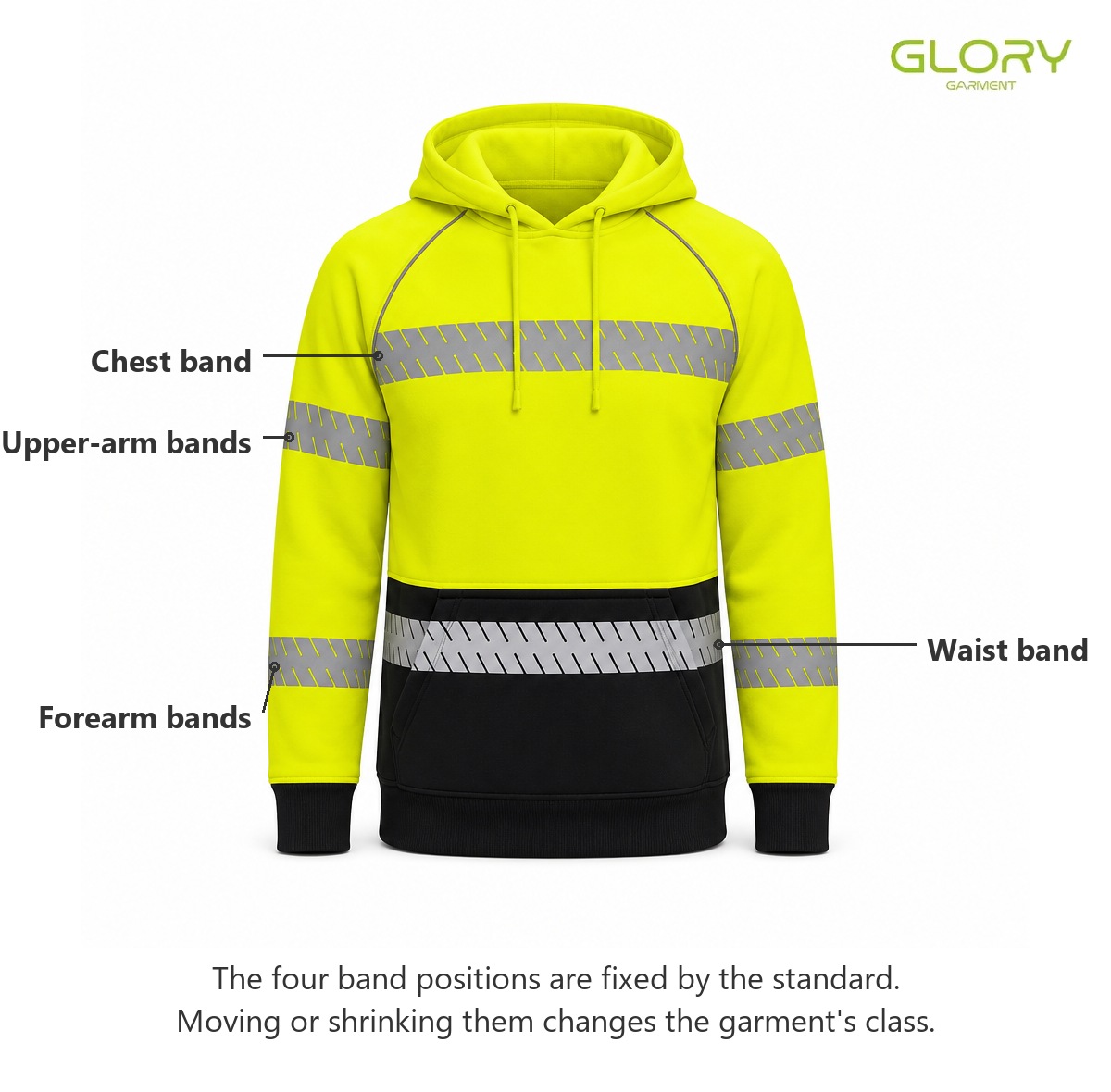
The four band positions are fixed by the standard. Moving or shrinking them changes the garment’s class — this is the one part of the design that is not a styling decision.
-
Reflective tape layout and total area. The position and the total area of reflective material are what the standard actually measures — these are defined numbers in EN ISO 20471, not design choices. Tape is not decoration — the figures in the standard are minimum areas, and a garment is classified by how much fluorescent and retroreflective material it carries. Moving the bands, or reducing coverage to save cost, can drop a garment out of its class — or out of compliance altogether.
-
The retroreflective tape itself. Tape is tested for retroreflective performance after repeated washing. Substituting a cheaper tape invalidates that test result, even when the replacement looks identical from the outside.
-
The fluorescent fabric. If a supplier offers to “match your brand colour” on the main body, ask what that does to the certification. In most cases the answer is: it is no longer a hi vis garment. Fluorescent dyes behave differently from ordinary dyes, which is why the colour range stops at three.