

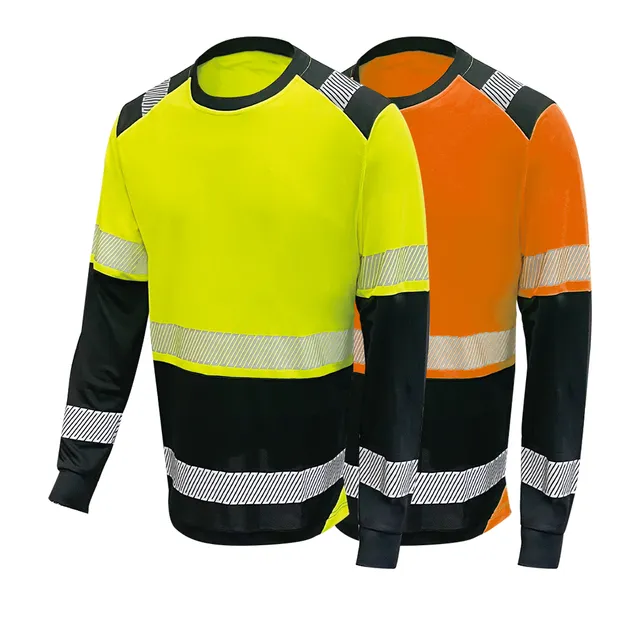
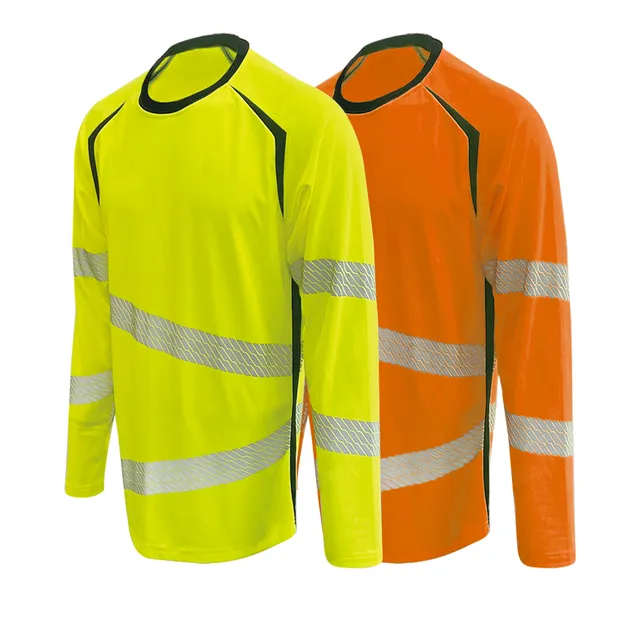
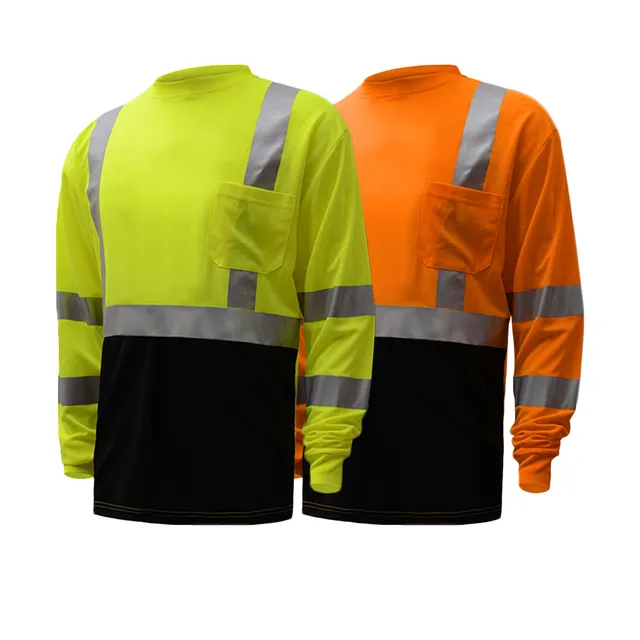
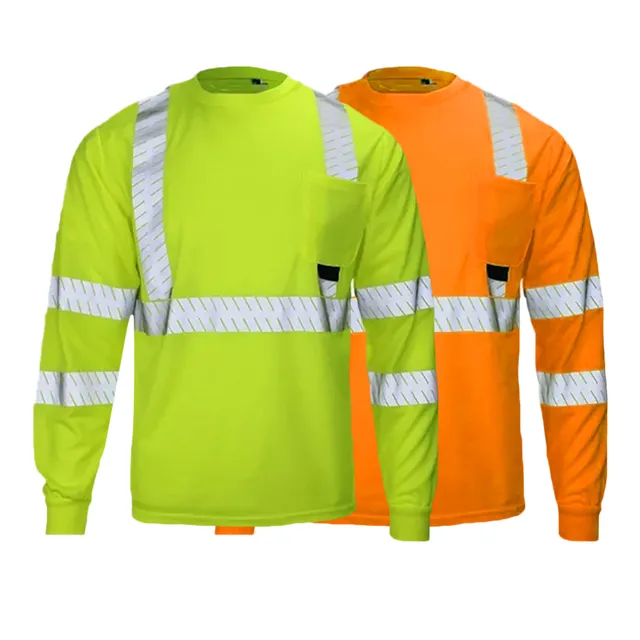
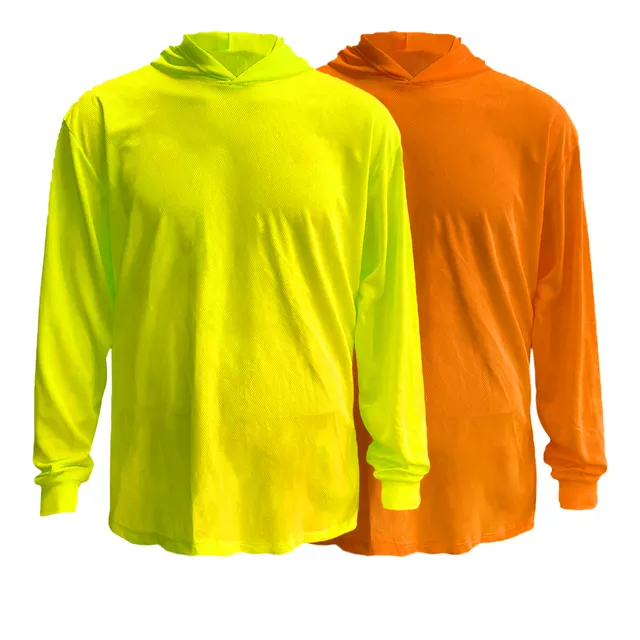

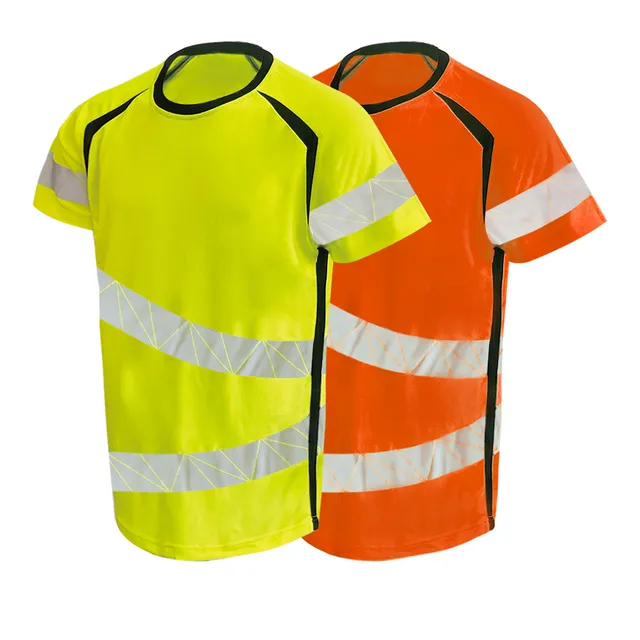

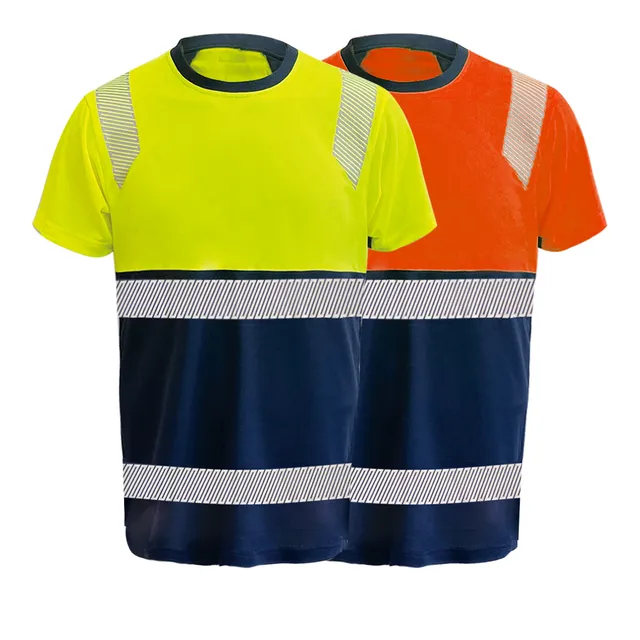
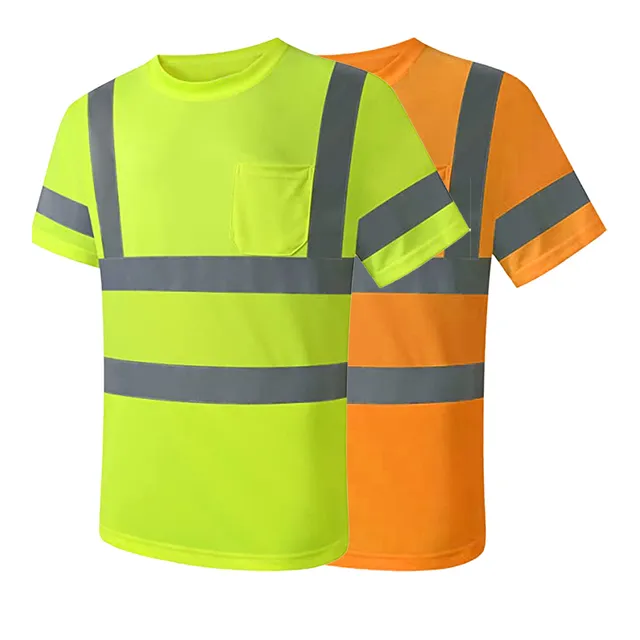


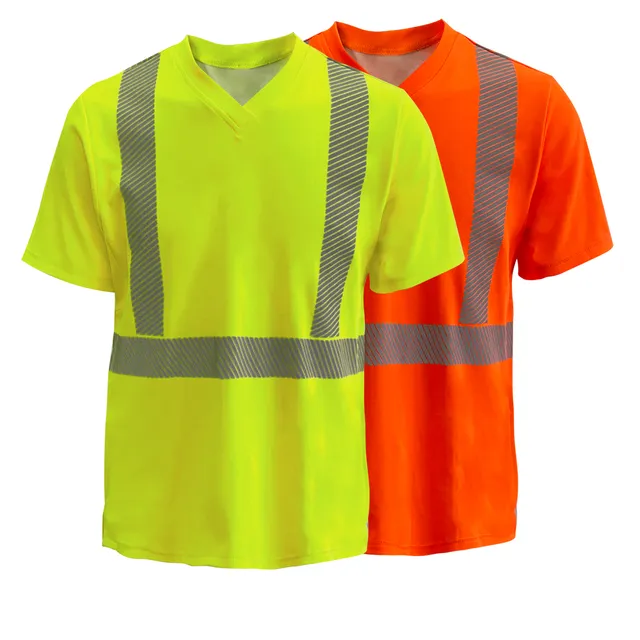
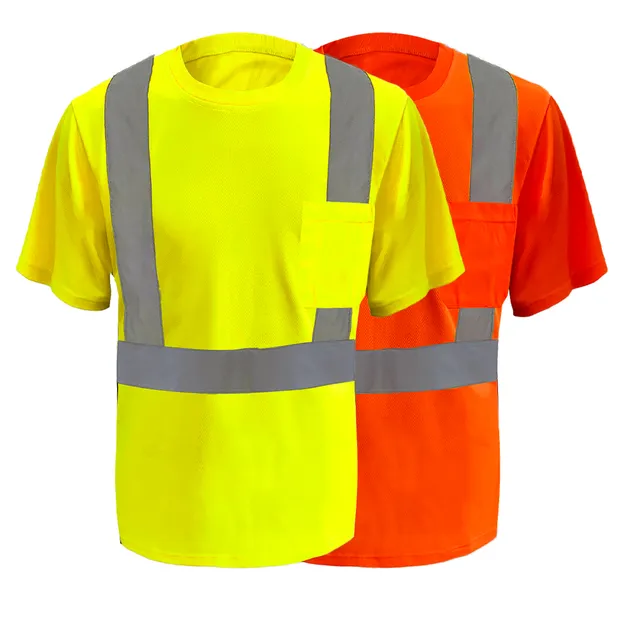


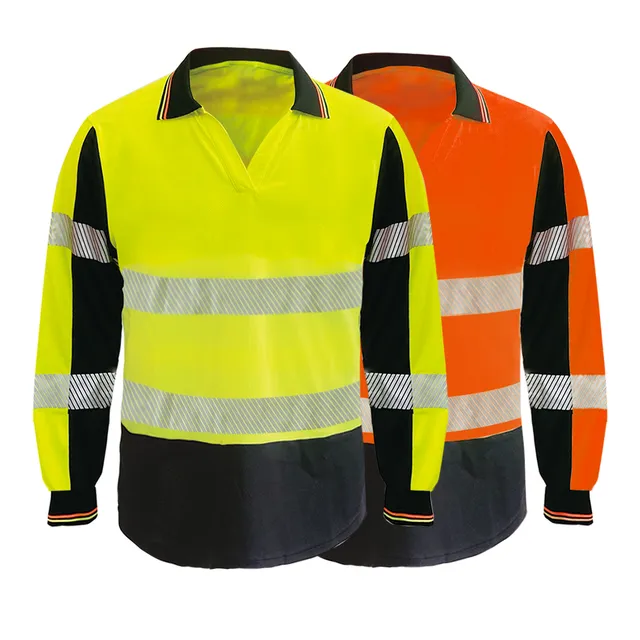
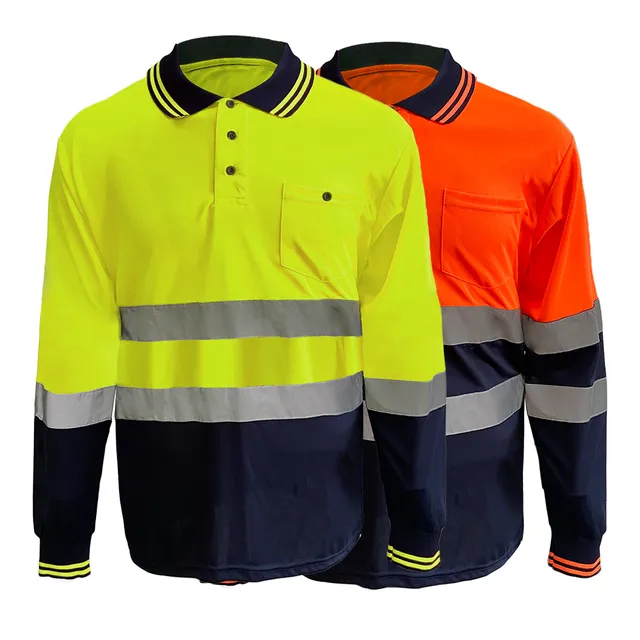
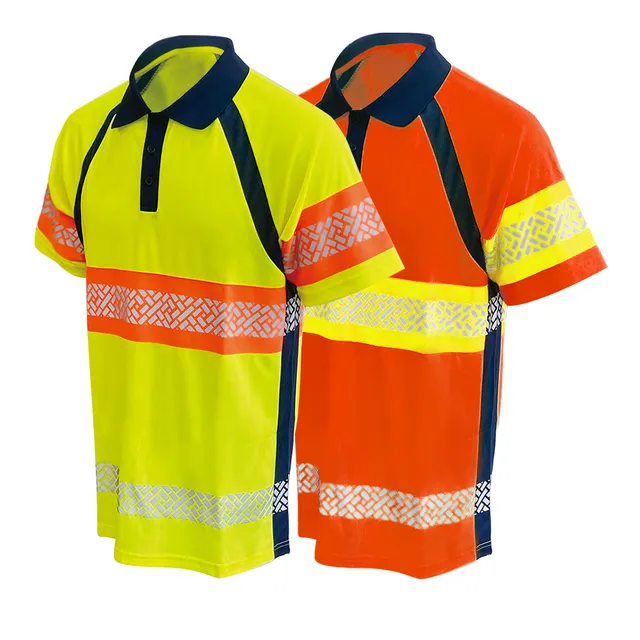
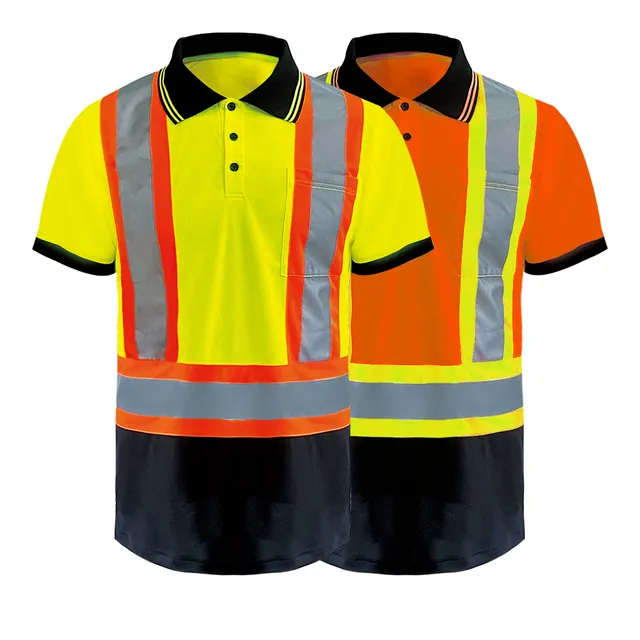
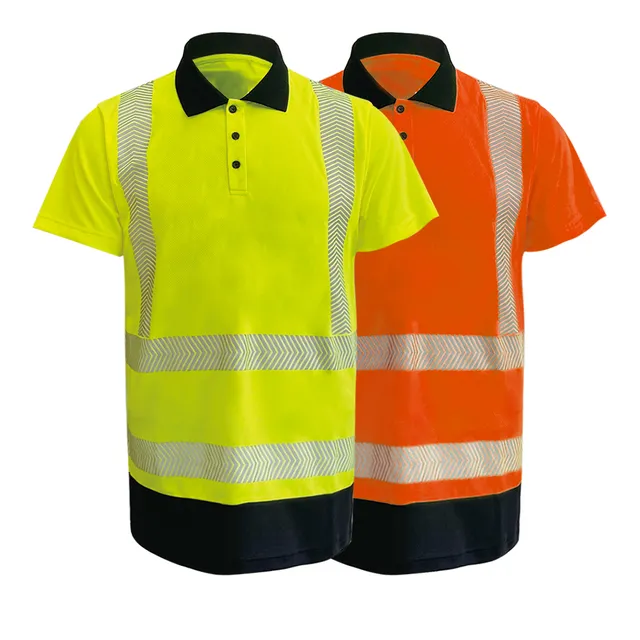

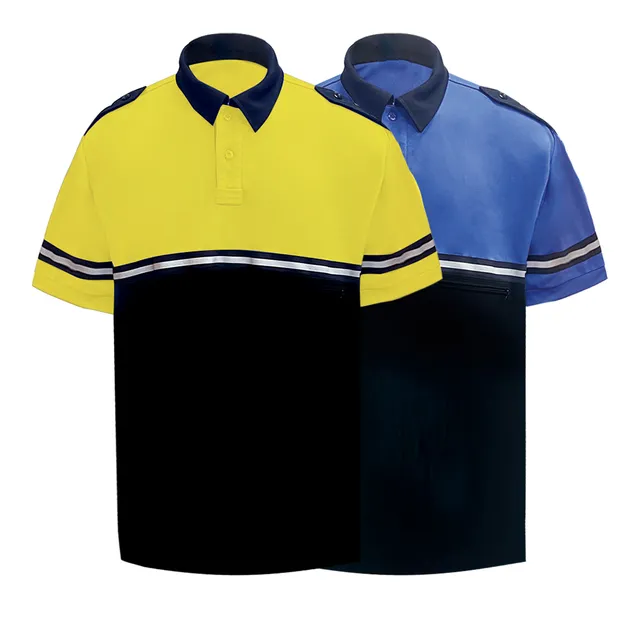


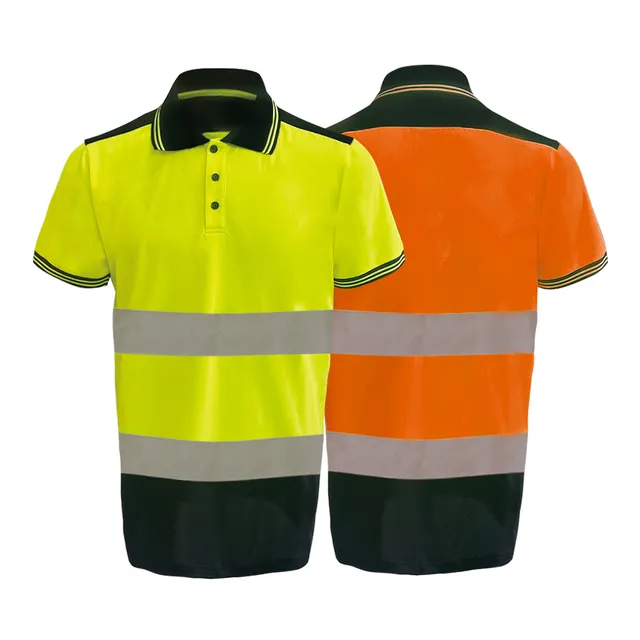


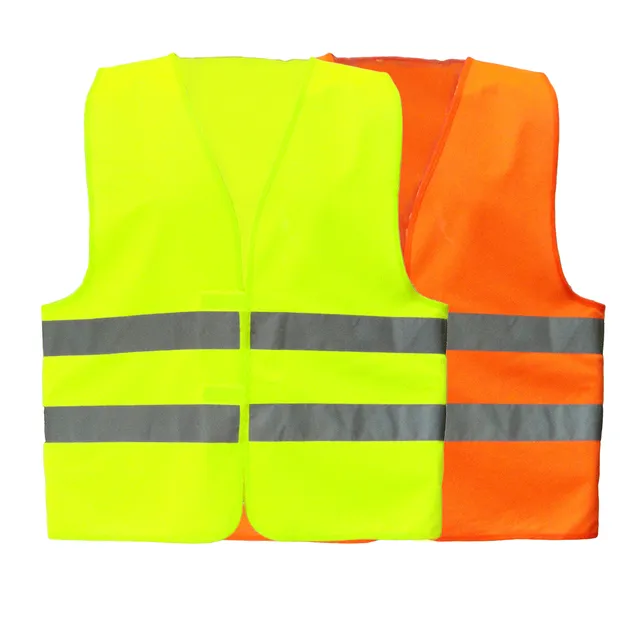

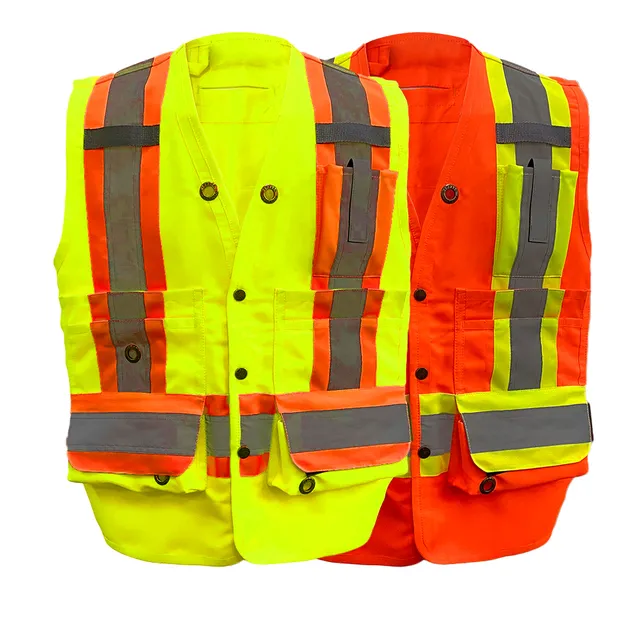
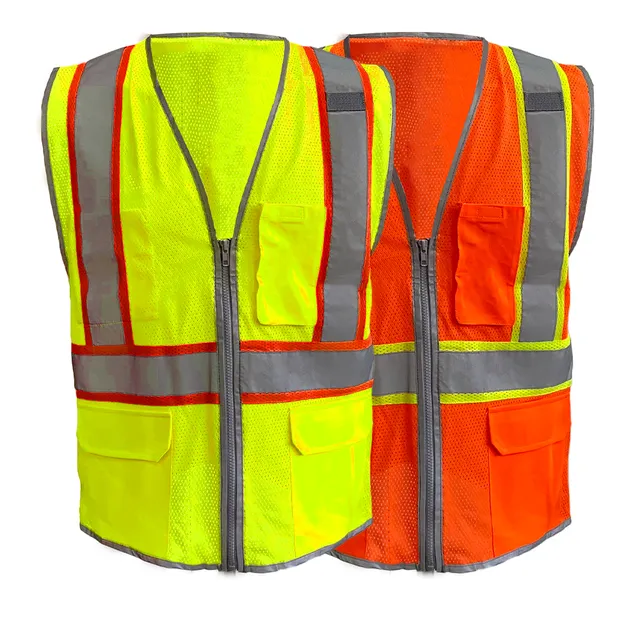
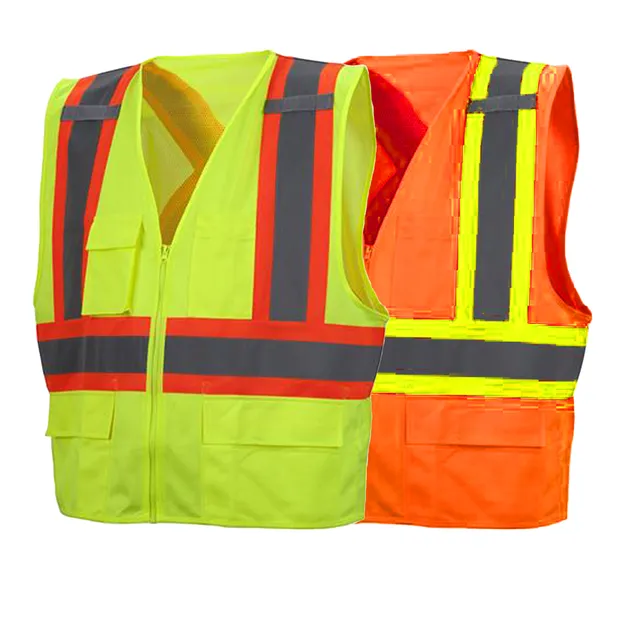
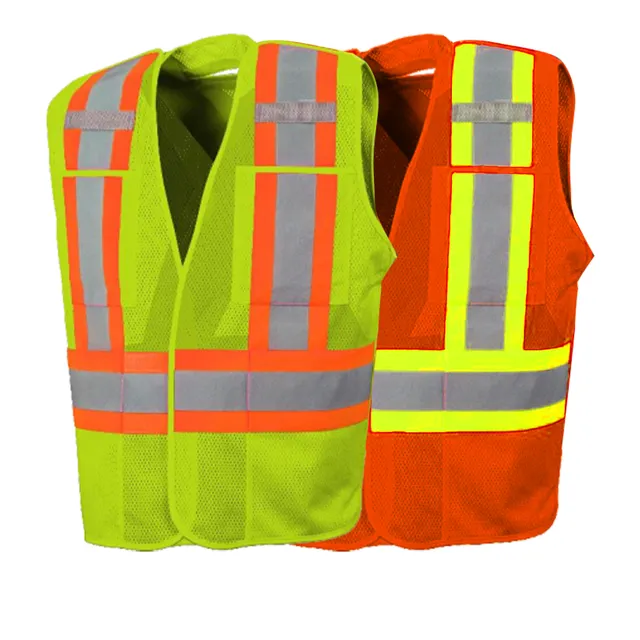

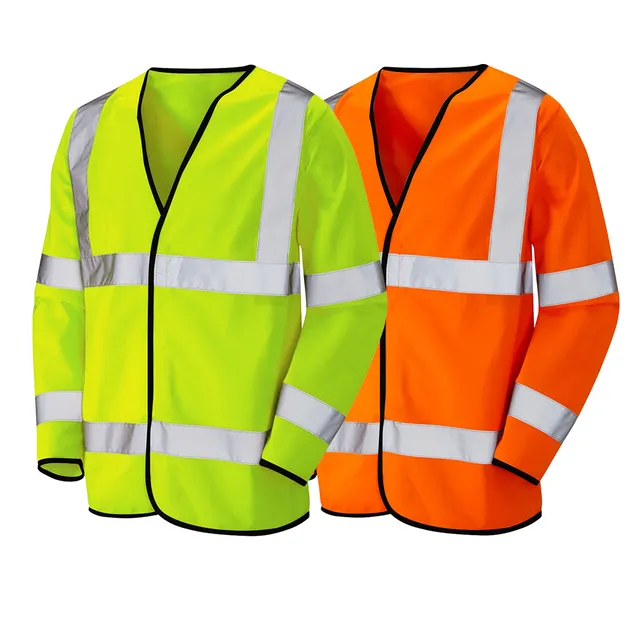
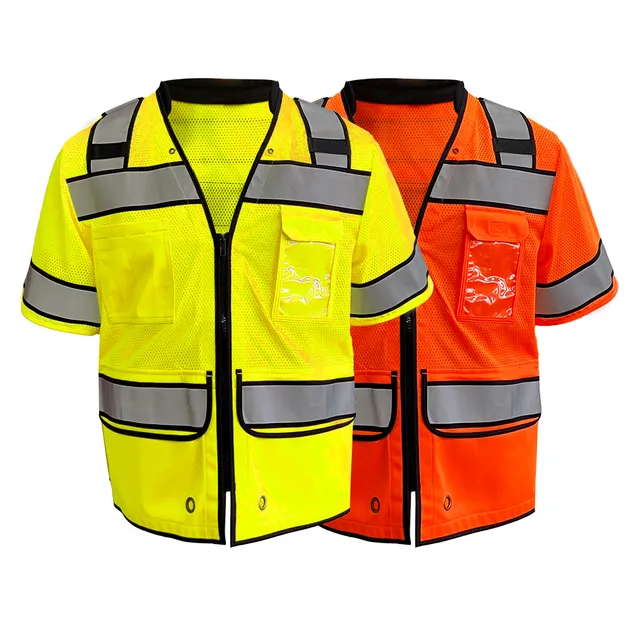
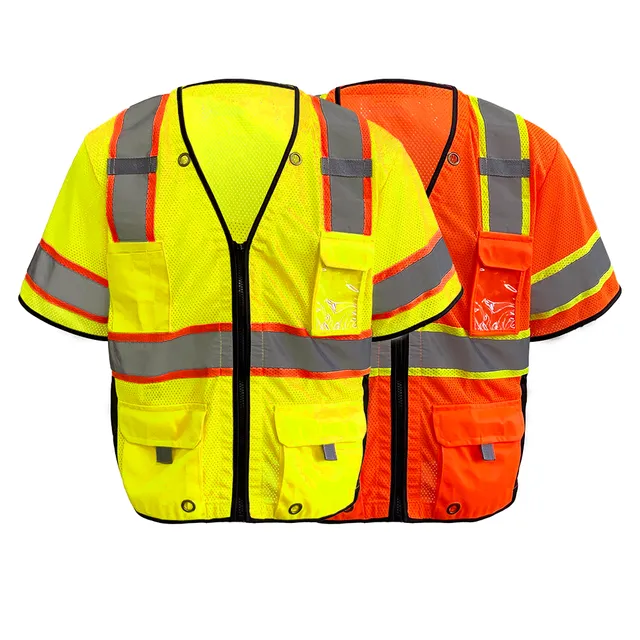
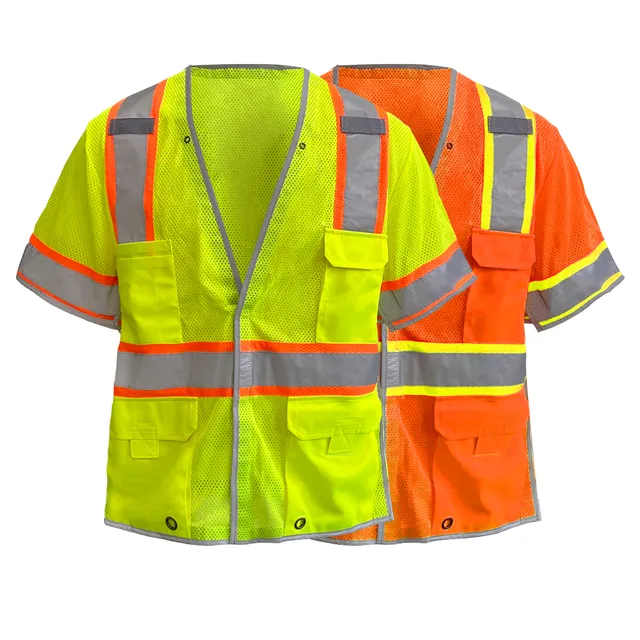
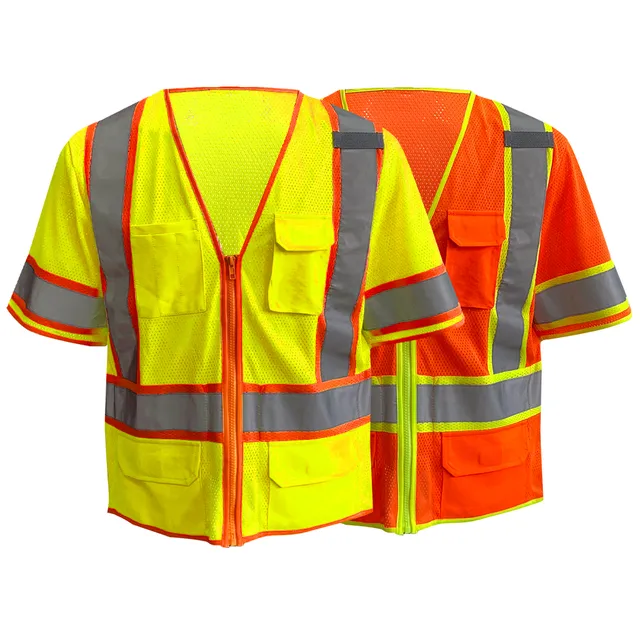
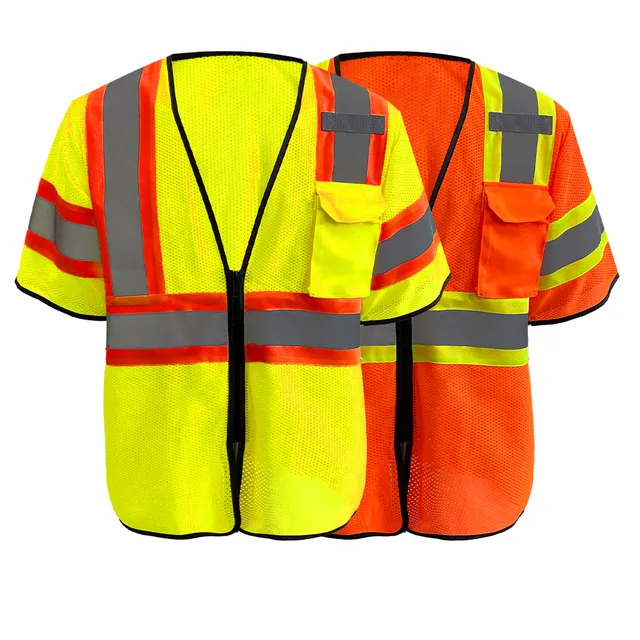
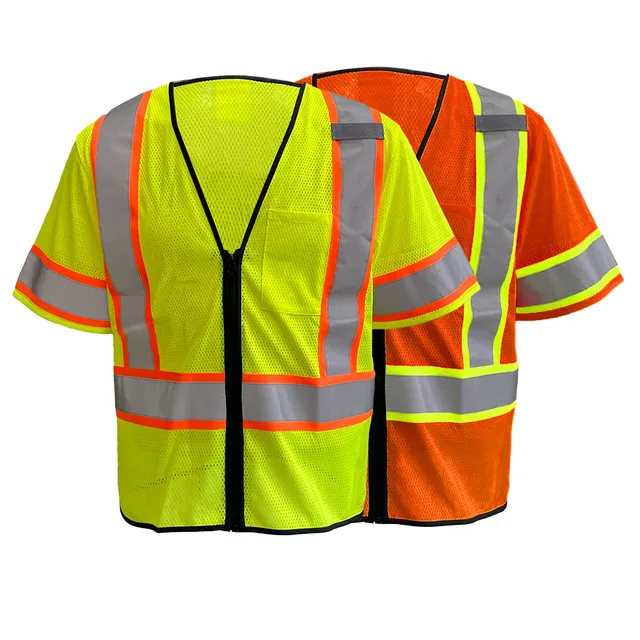

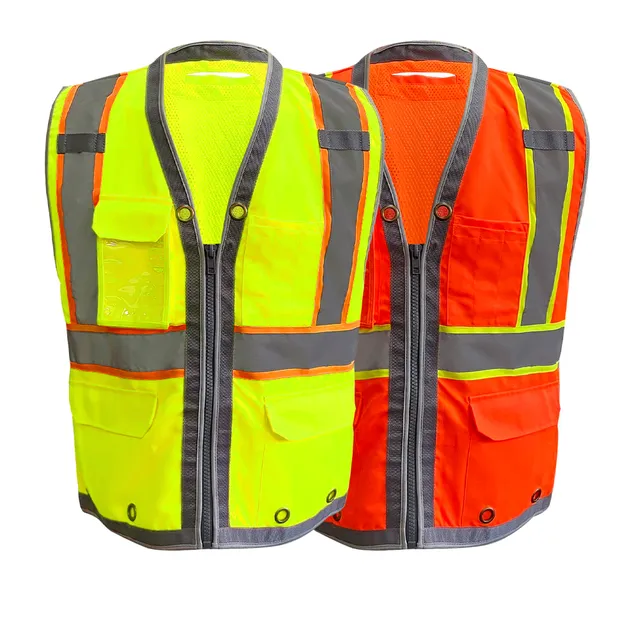
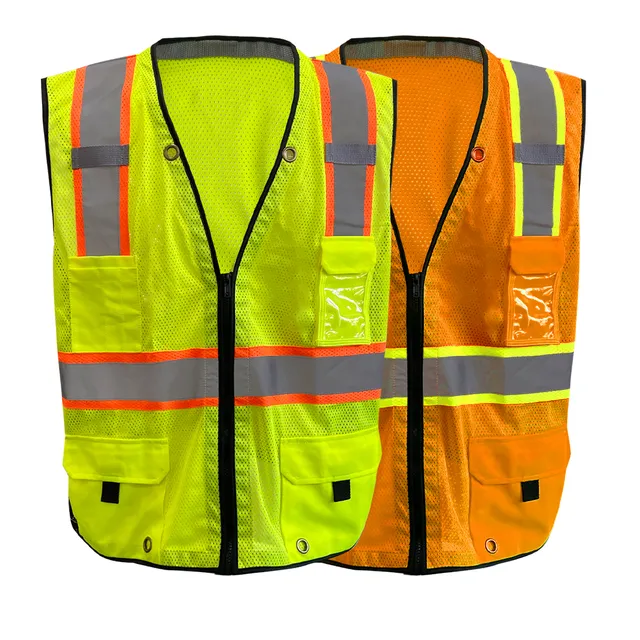
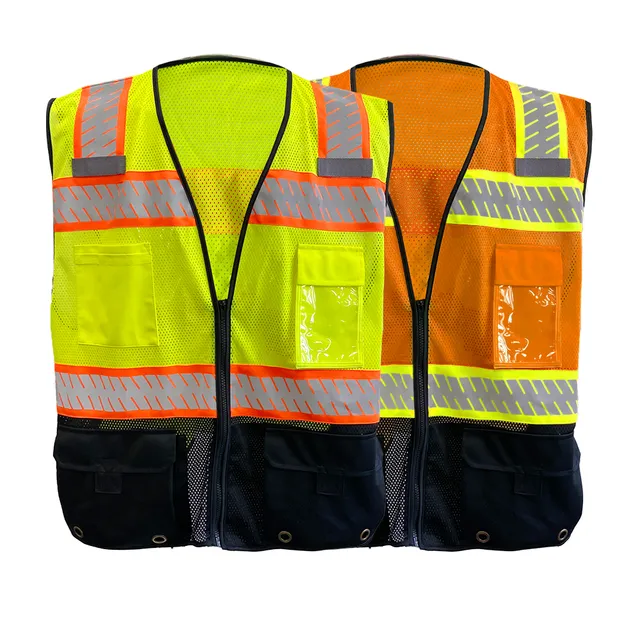
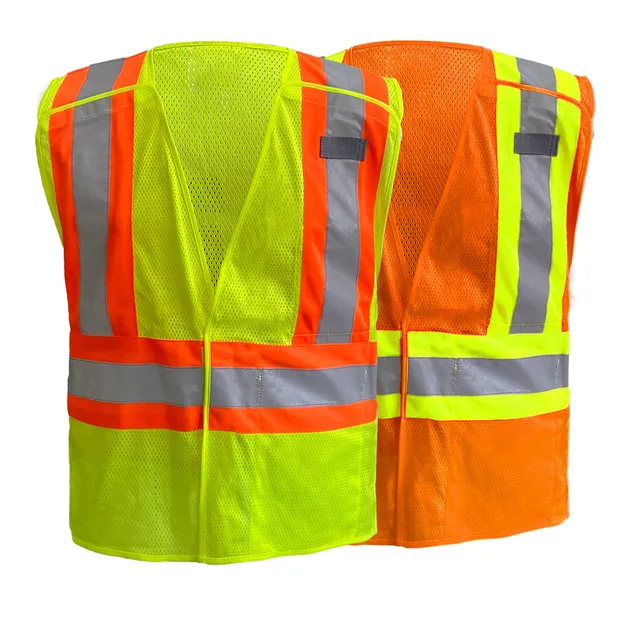
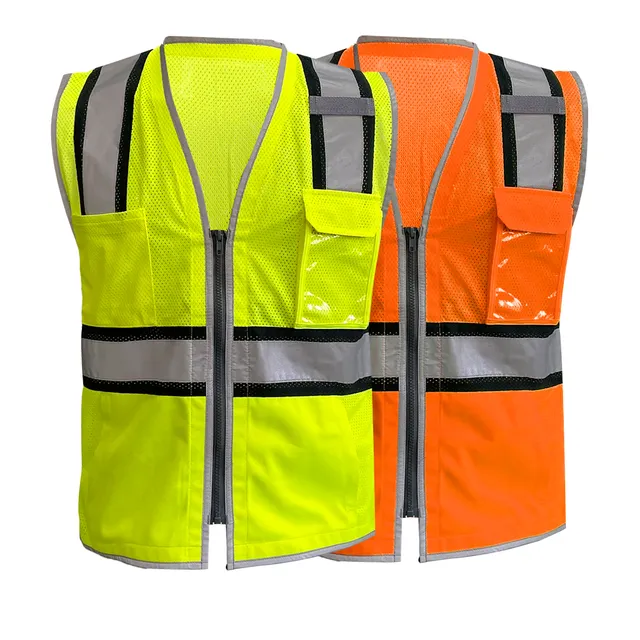
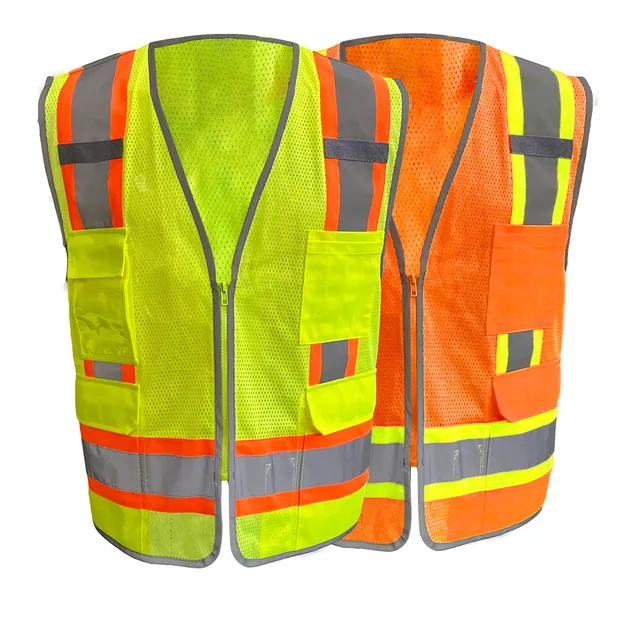
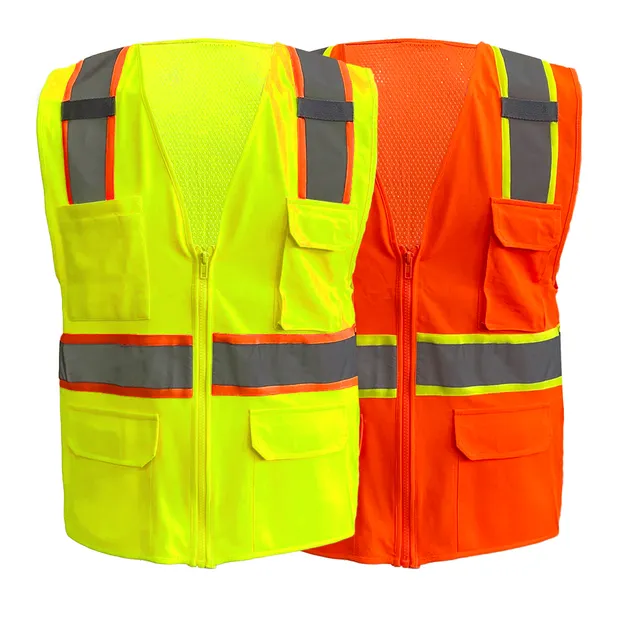
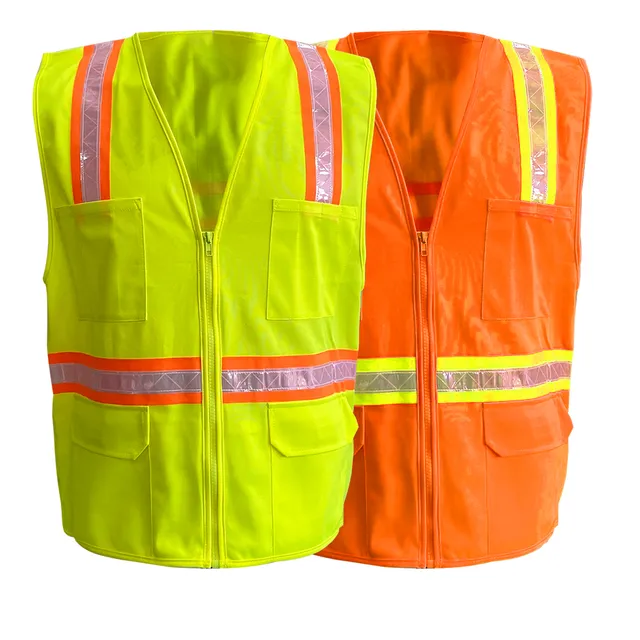
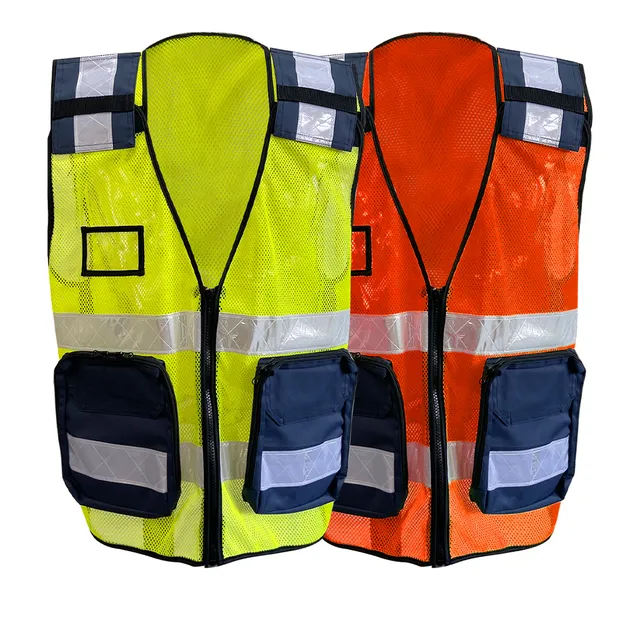
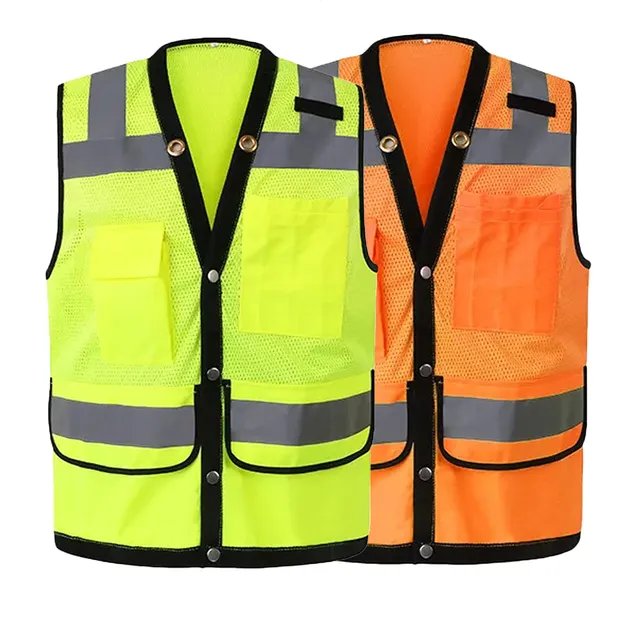
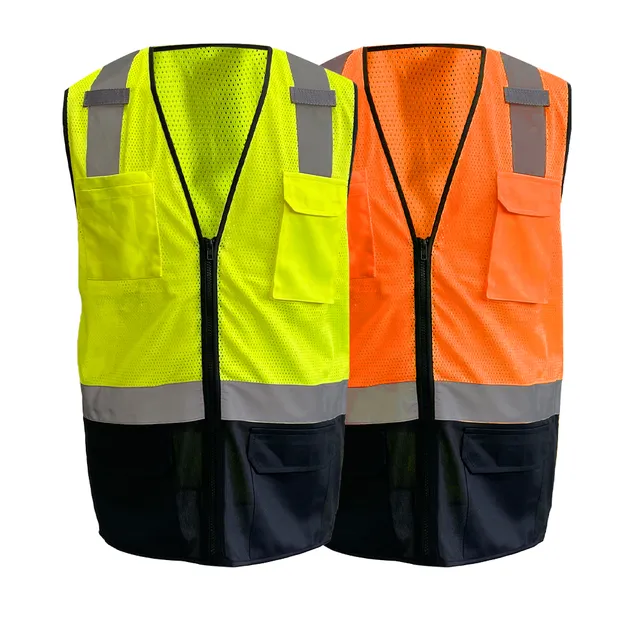
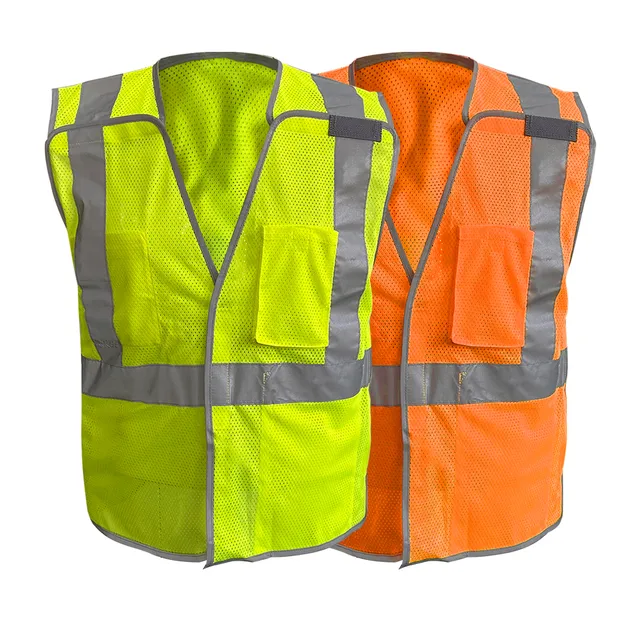
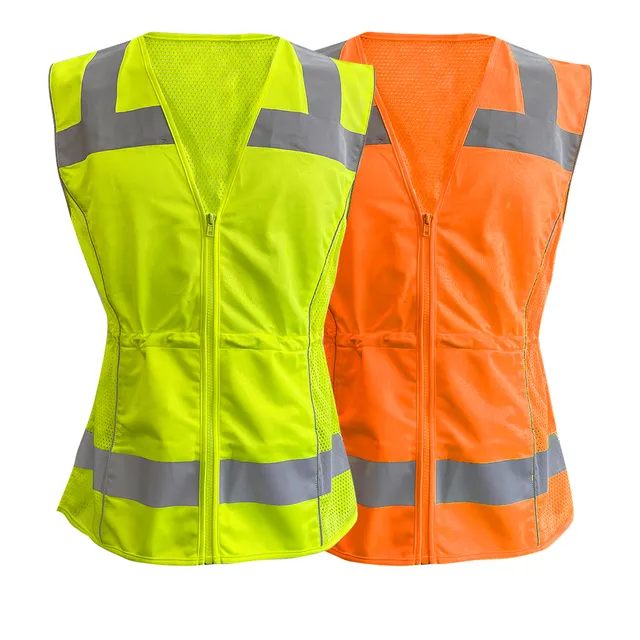
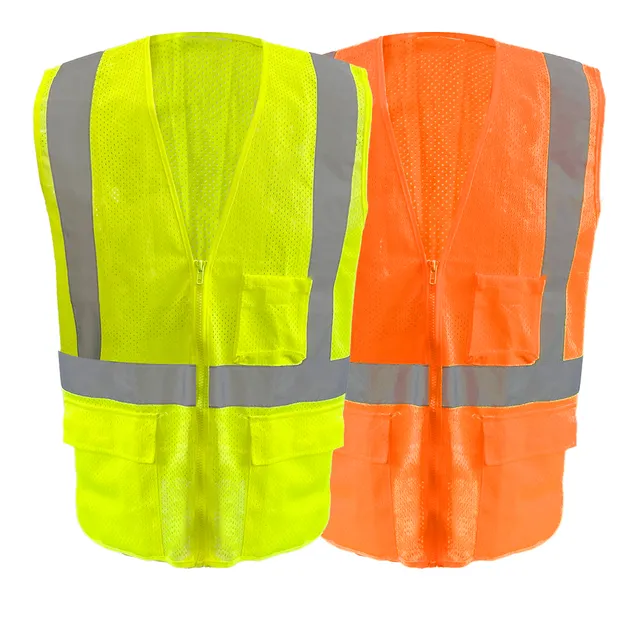
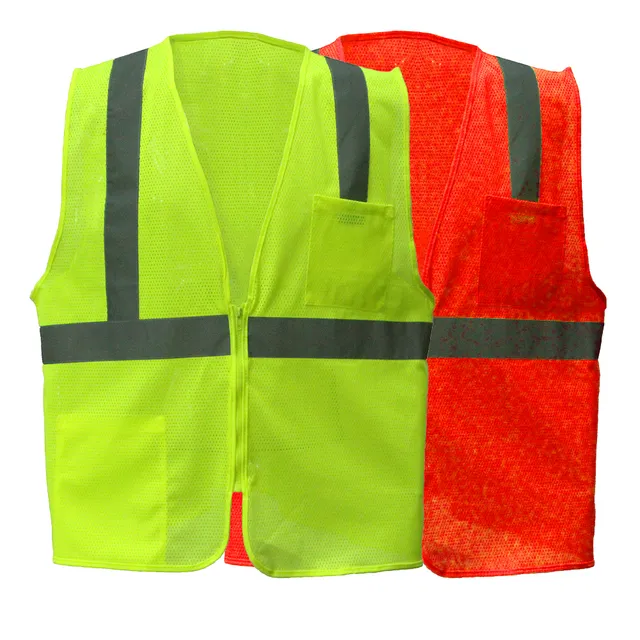


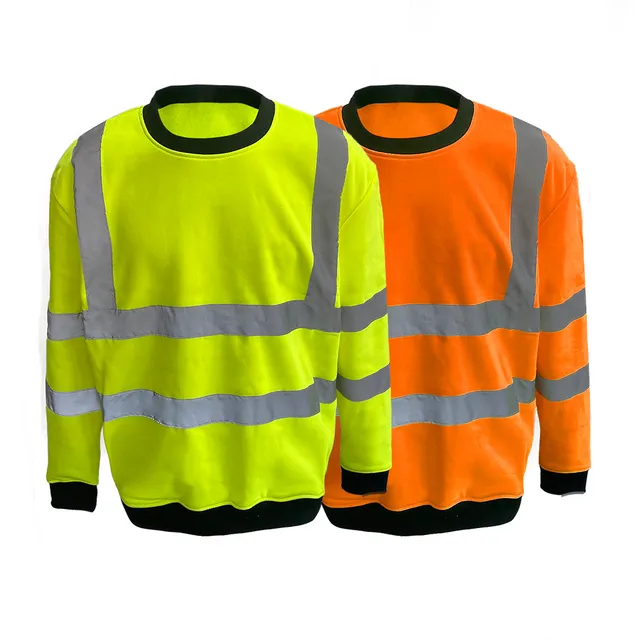
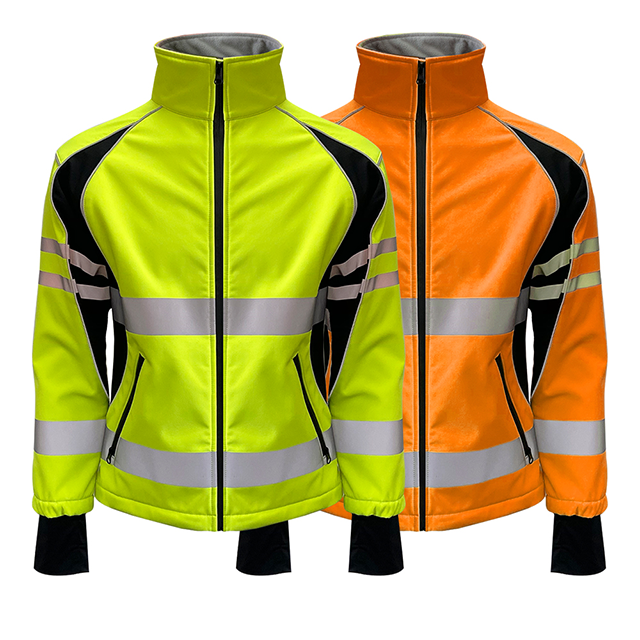


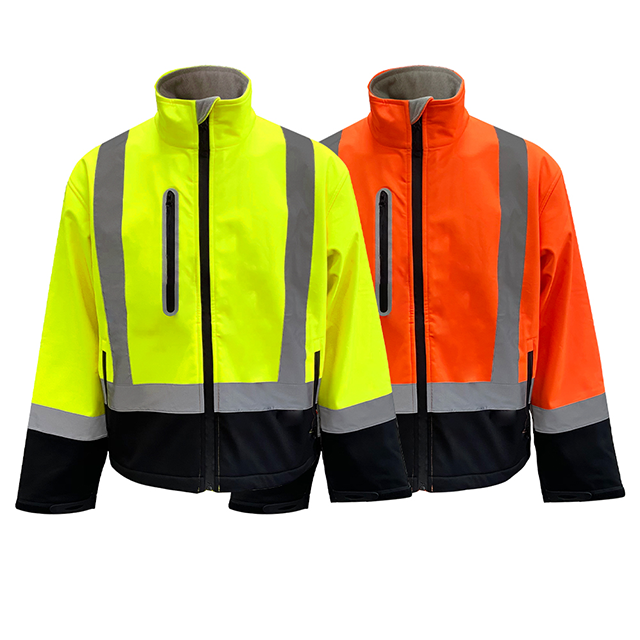

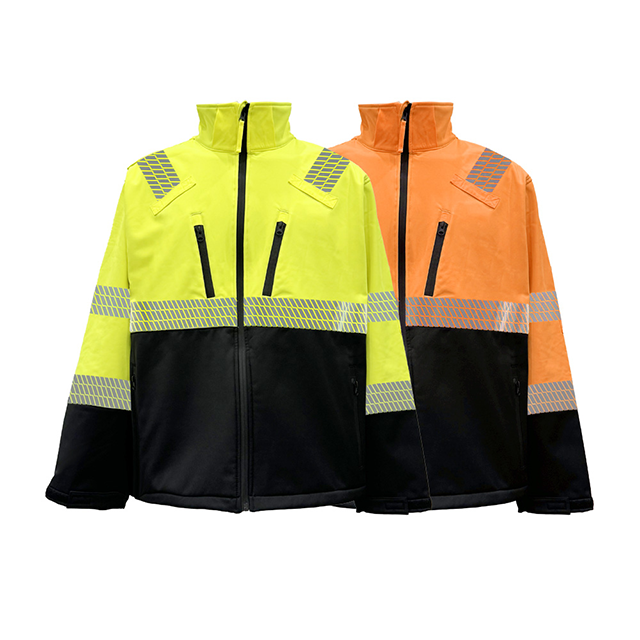


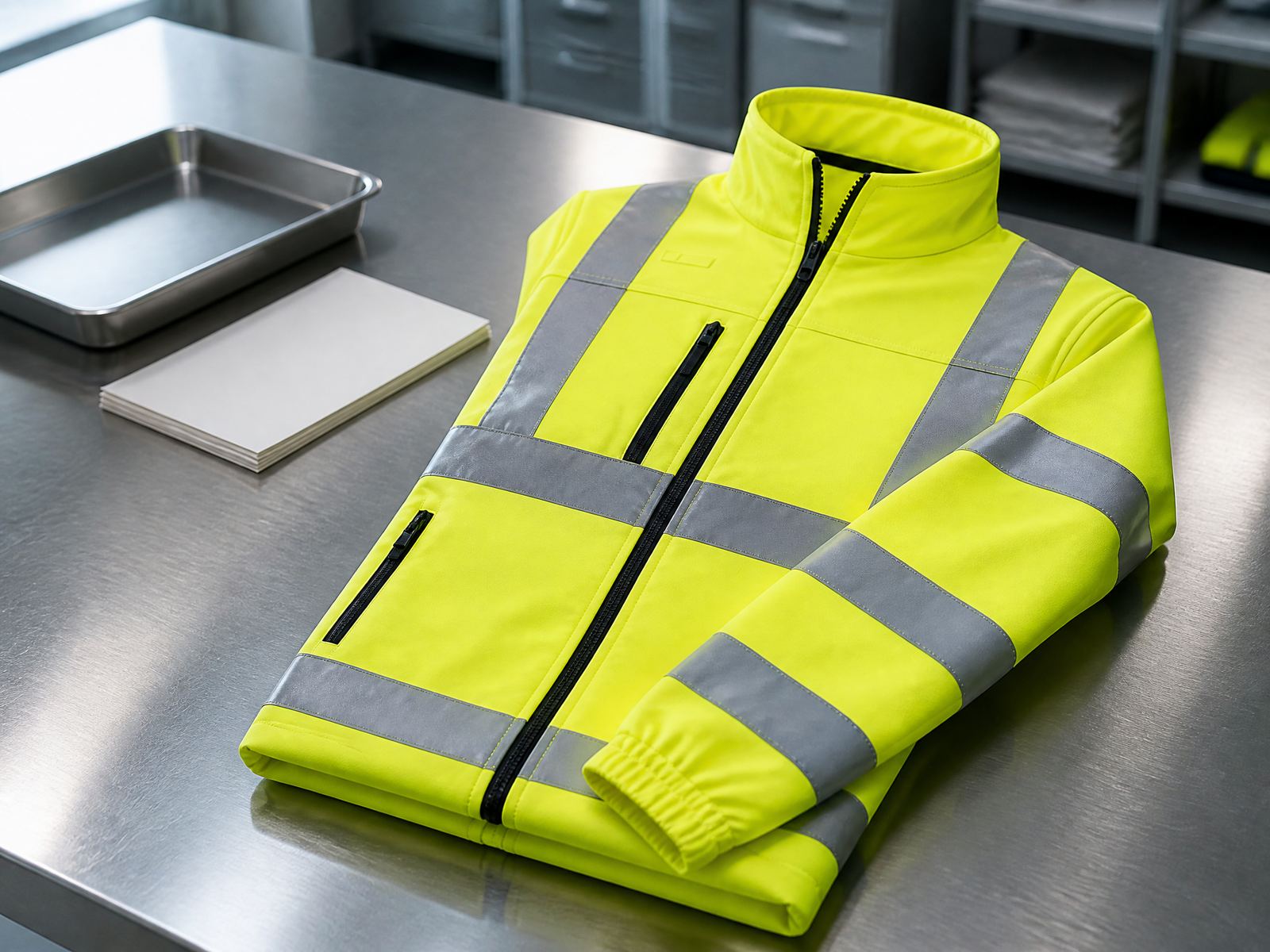
The EN ISO 20471 declaration of conformity is the page that makes a hi-vis garment placeable on the EU market as Category II PPE, and it is not the test report. Under Regulation (EU) 2016/425 it is drawn up by the manufacturer, and a copy must accompany the PPE or be reachable at a stated internet address. What you receive should match Annex IX field by field, or be questioned before the order moves.
EN ISO 20471 Declaration of Conformity: The Nine Fields
Annex IX fixes the content, so a declaration can be checked in minutes rather than trusted on sight. Read it top to bottom against the table below; a CE mark printed on the garment proves nothing on its own.
| EN ISO 20471 declaration of conformity | What it should say | Red flag |
|---|---|---|
| 1. Product identification | Type, batch or serial number that traces back to your order | A product family name with no batch reference |
| 2. Manufacturer | Name and address of the party placing the PPE on the market | A factory address with no brand behind it |
| 5. Legislation | Regulation (EU) 2016/425 | The repealed Directive 89/686/EEC |
| 6. Harmonised standard | EN ISO 20471 with its edition or amendment | An undated “EN ISO 20471” |
| 7. Notified body | Body name, notified body number, Module B certificate reference | A certificate number with no body named |
| 9. Signature | Place, date, name and function of the signatory | An unsigned PDF |
Who Signs It in an OEM Order
The signatory is the party that places the garment on the EU market under its own name, which the regulation treats as the manufacturer — on private-label work, your brand rather than the factory. A factory can cut, sew, test and hold the technical file, but it cannot declare conformity on behalf of a brand it does not own.
Agree the split in writing before production: you issue the declaration, and the factory supplies the evidence behind it. Ask each supplier which documents they can send and in whose name the declaration will be issued; our EN ISO 20471 vs ANSI 107 comparison covers how the two markets differ.
Where Declarations Go Wrong
Three faults cover most of the declarations buyers send us. The standard is cited without its edition, so a certificate written against an older text still looks current. The notified body is named without its number, which makes the certificate impossible to look up.
The third is expiry: an EU type-examination certificate runs for a maximum of five years, so a declaration resting on a certificate from 2019 rests on nothing today. Compare the certificate date with the order date, not with the declaration date. The same file should carry a test report that names the laboratory and the edition tested.
What the Factory Hands Over
The declaration carries no measurements; the evidence sits in the technical file. Expect the type-examination certificate, the retroreflective test results, and instructions for use in the language of the destination market.
Ask for that file before you sample a safety jacket or vest, because a complete file is what lets a declaration be issued at shipping instead of weeks afterwards.
Need your EN ISO 20471 declaration of conformity checked?
Send the declaration and the type-examination certificate you were given and we will mark which Annex IX fields are incomplete. MOQ and lead time are quoted as a range. Our factory in Zhejiang runs OEM production only.
Or send the document set and we will return the gap list.