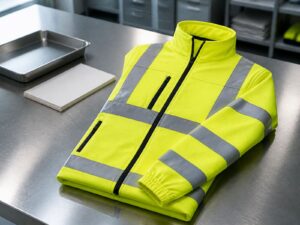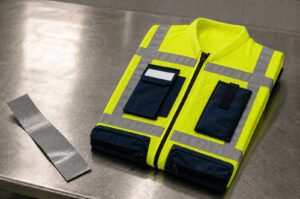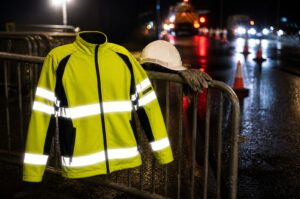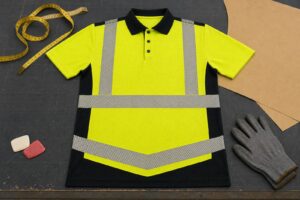


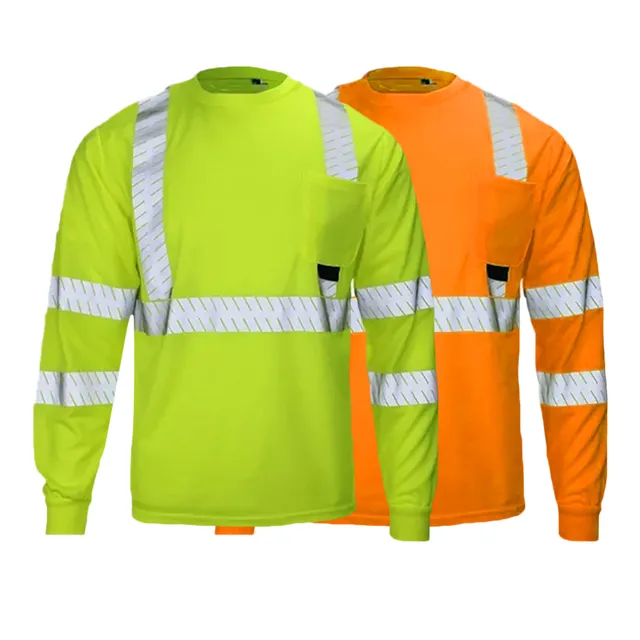
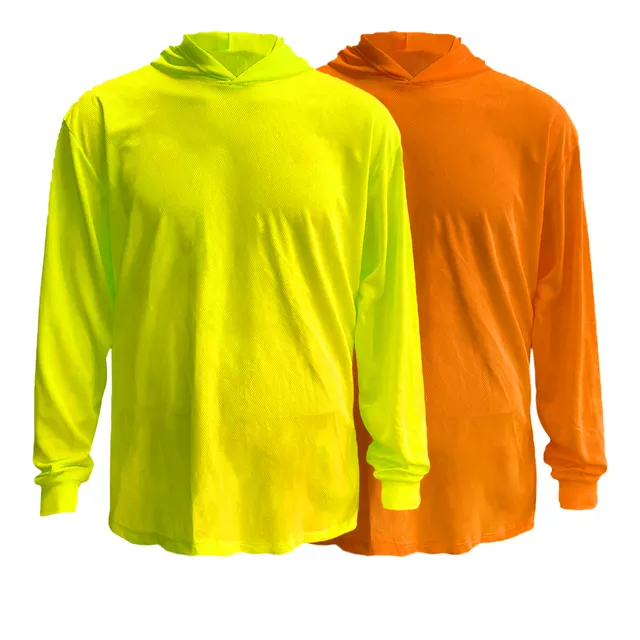

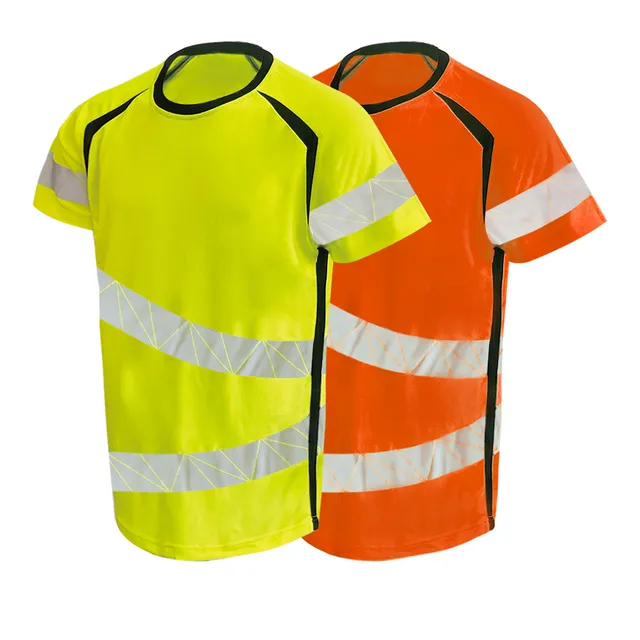

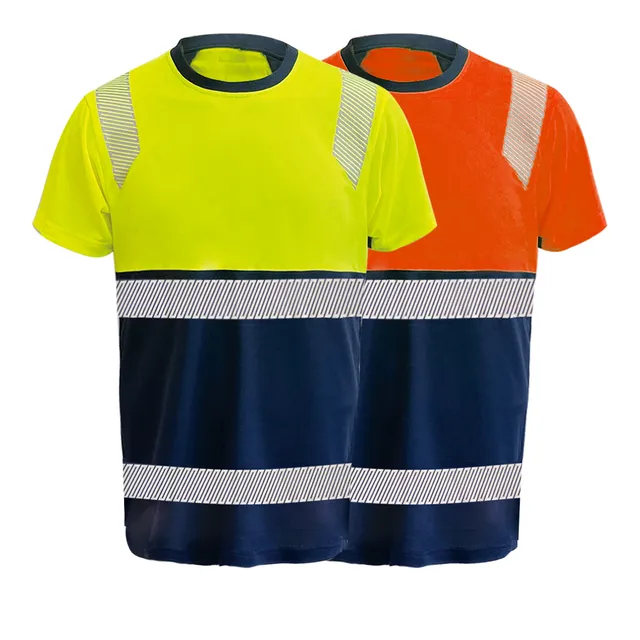
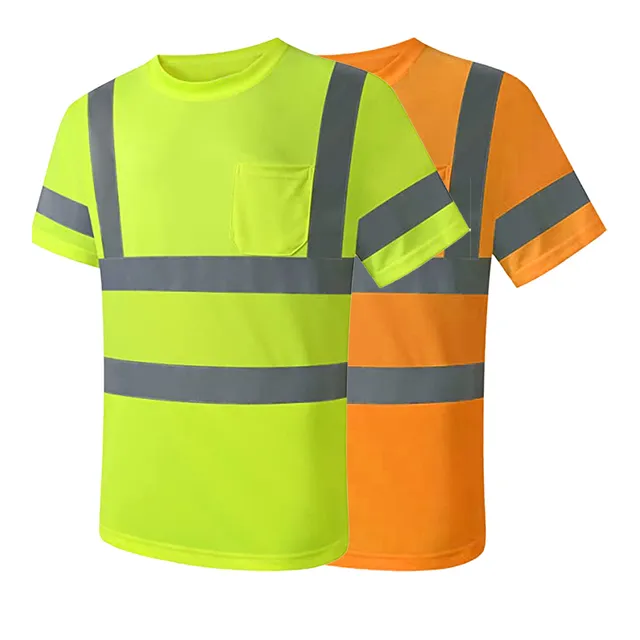


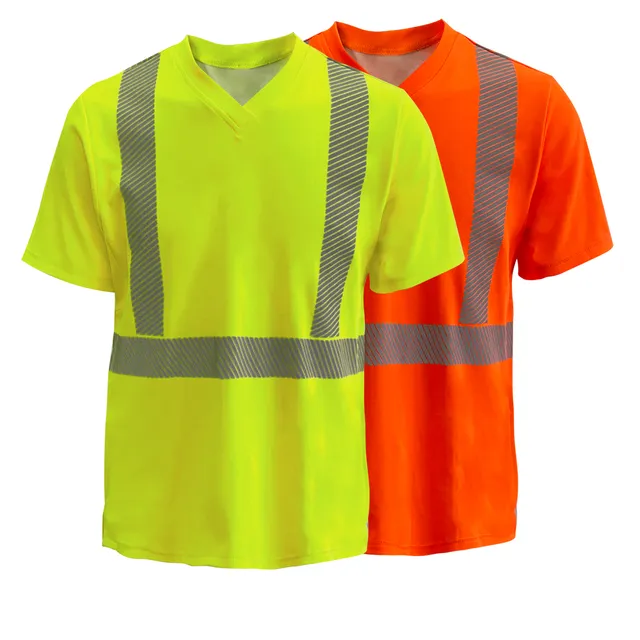
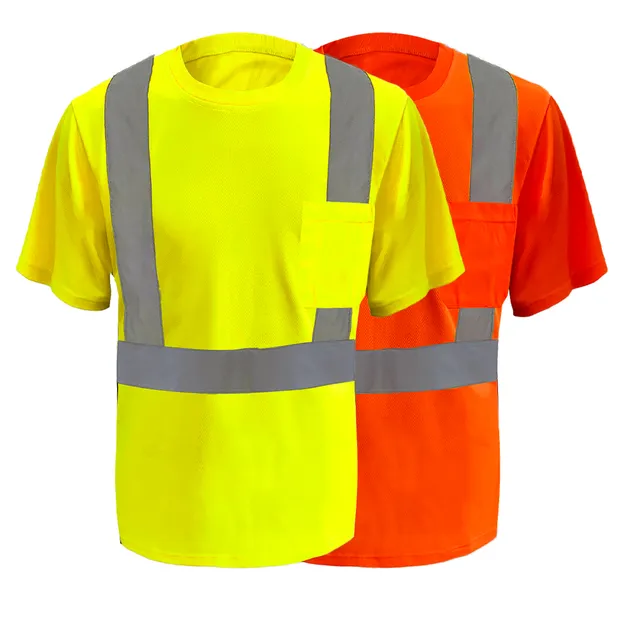


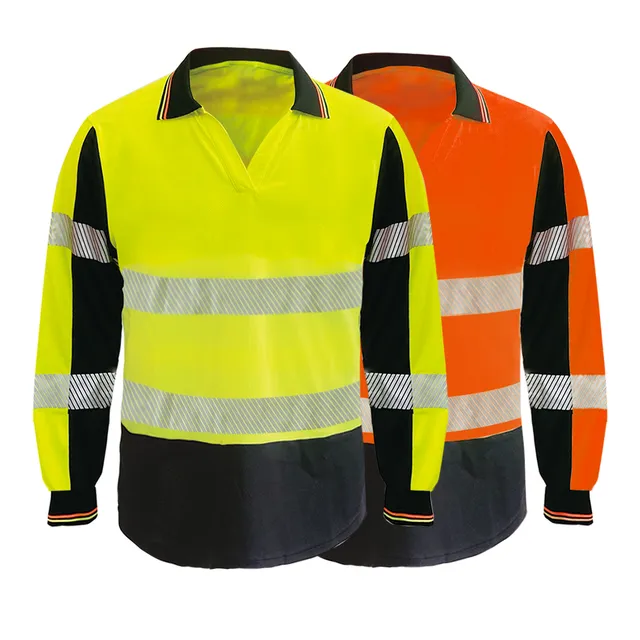
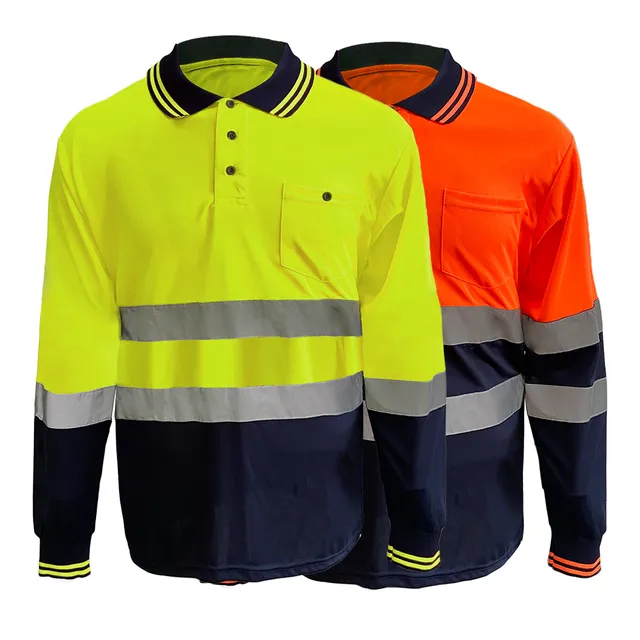
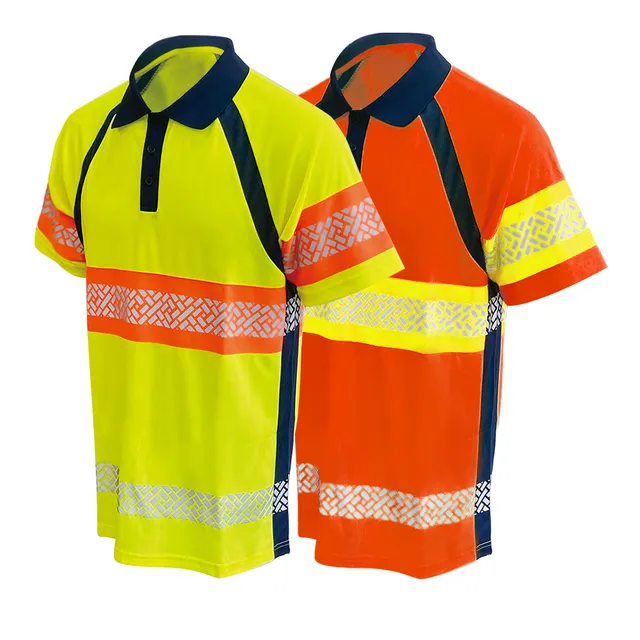
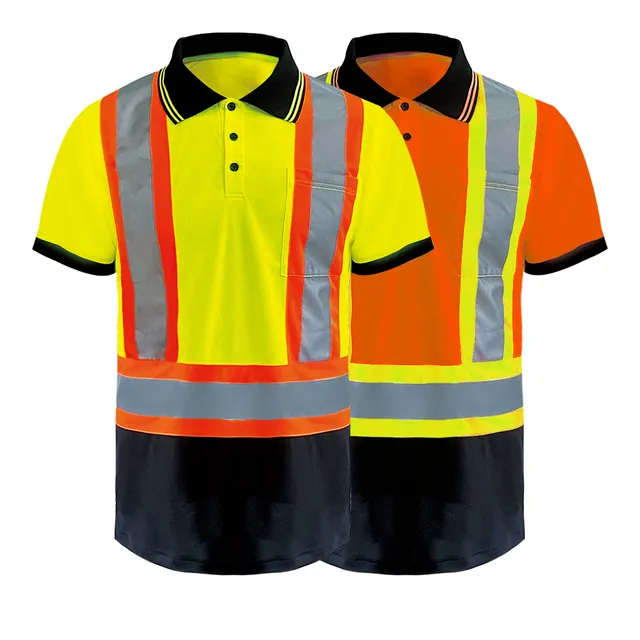
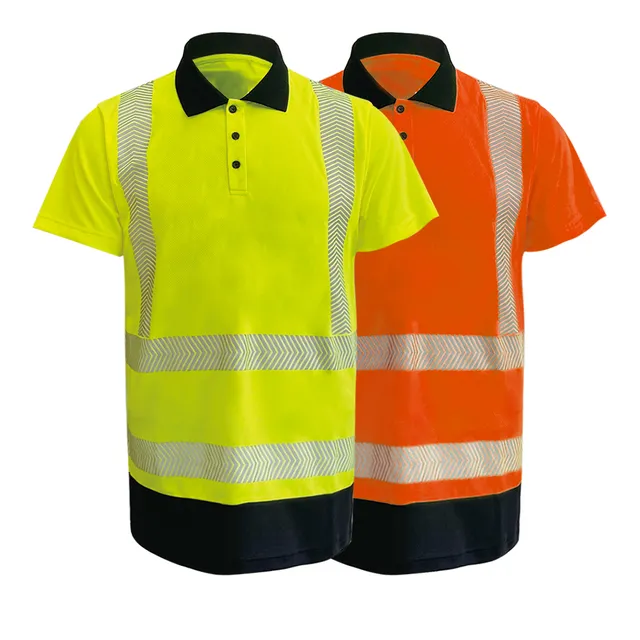






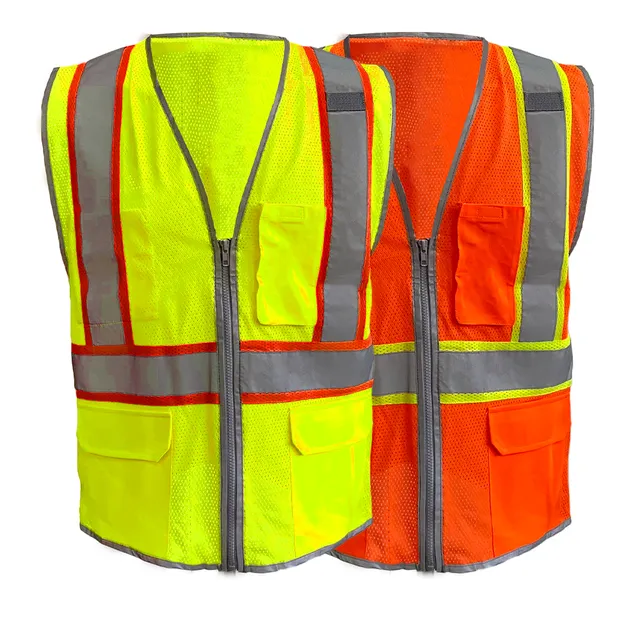
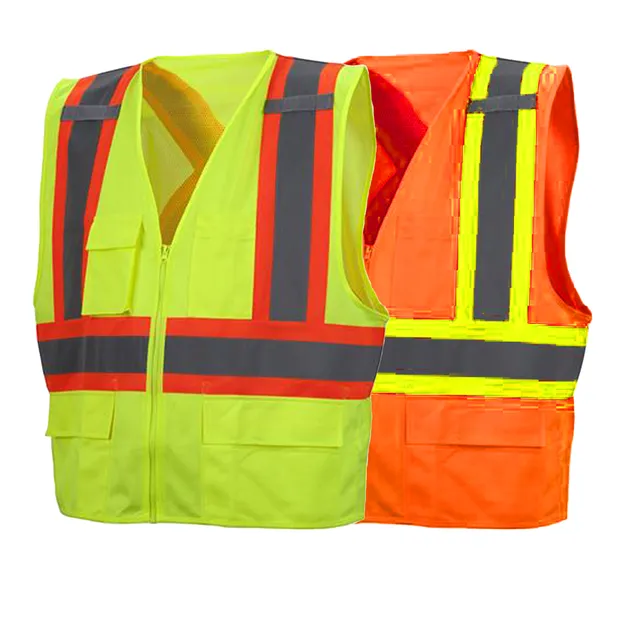
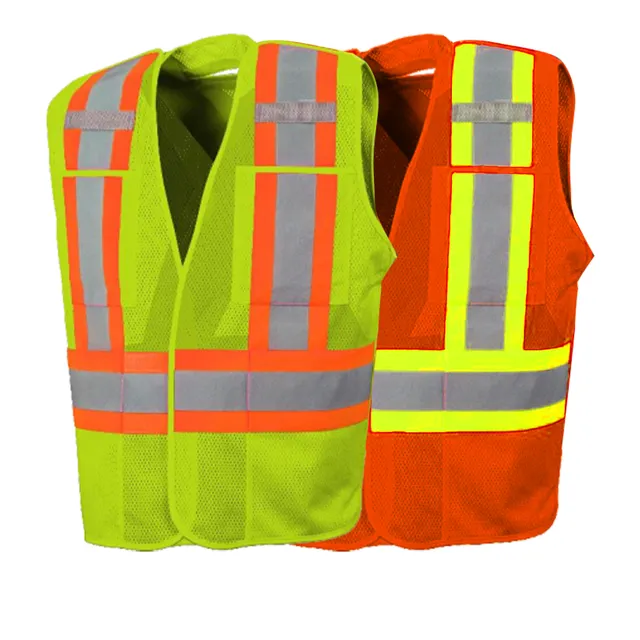

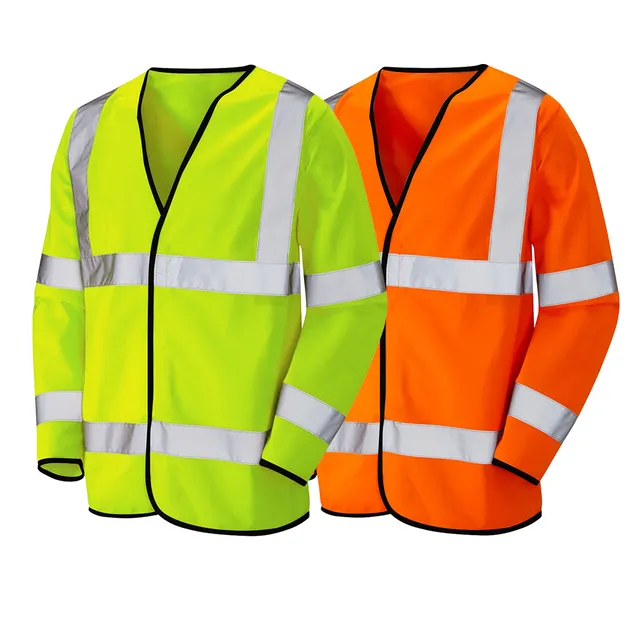
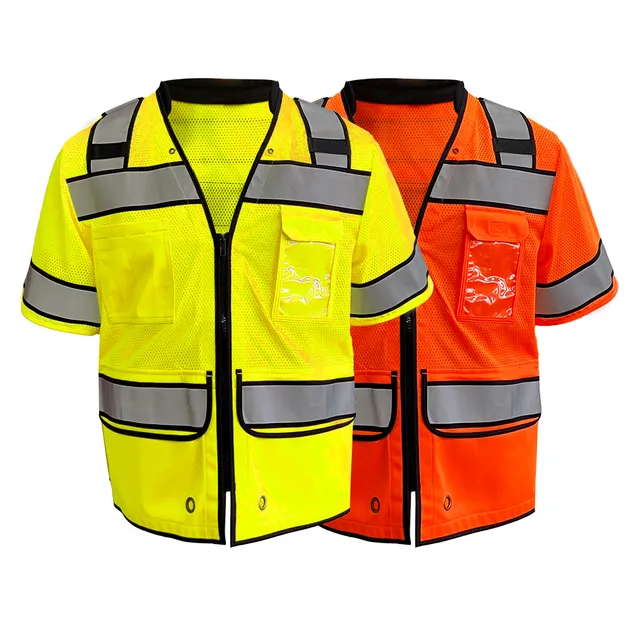
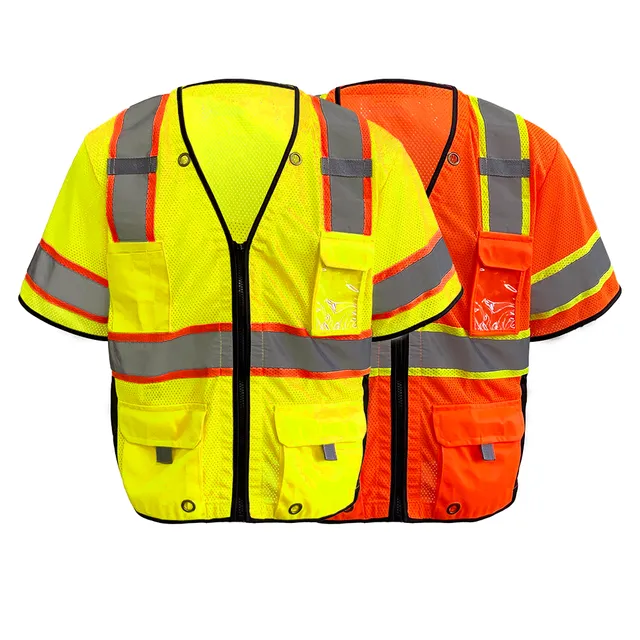
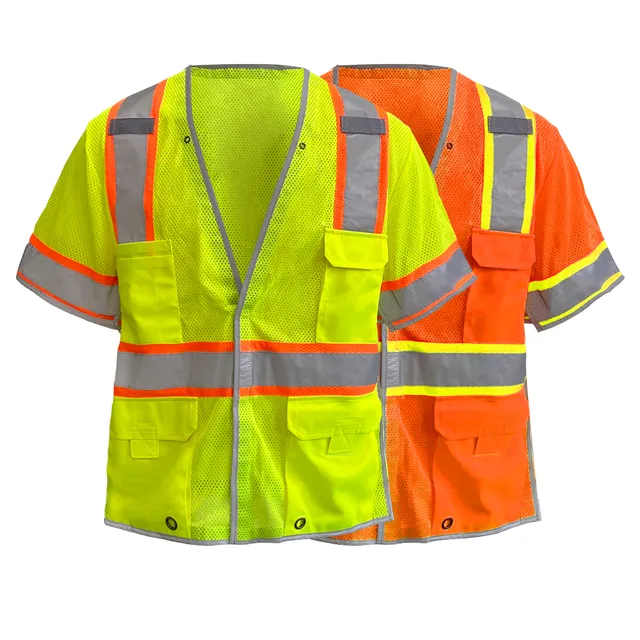
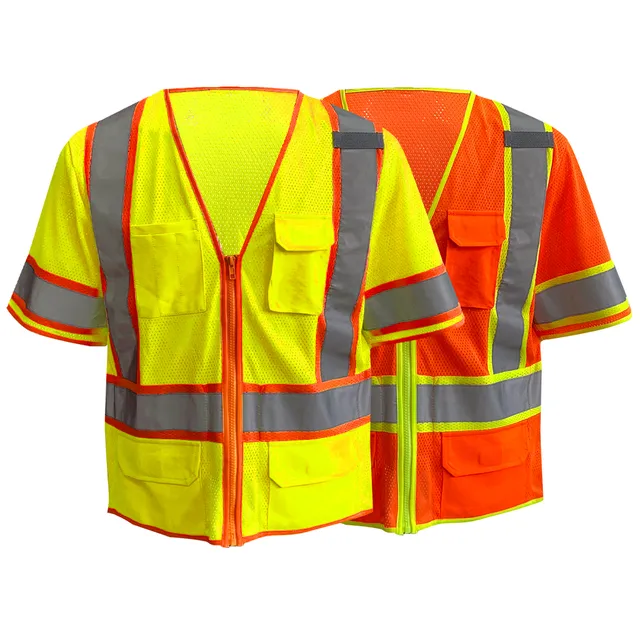
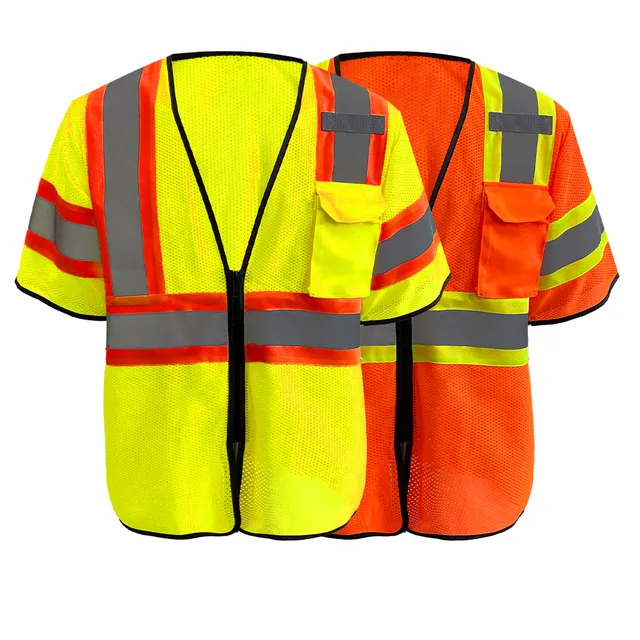
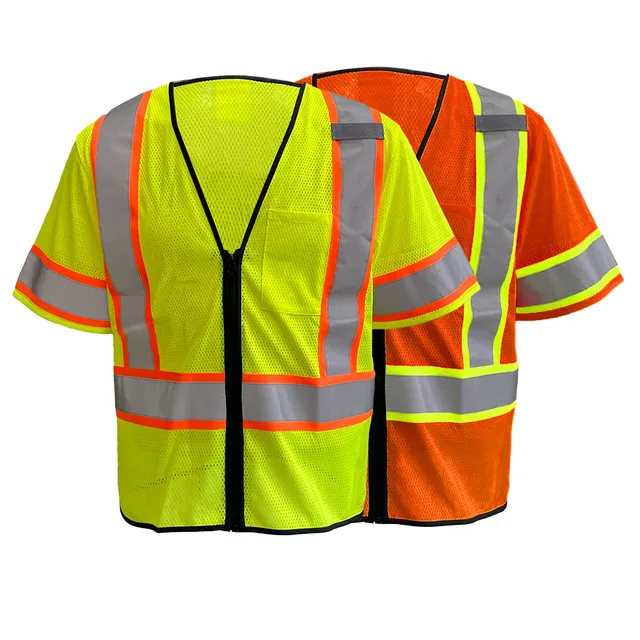

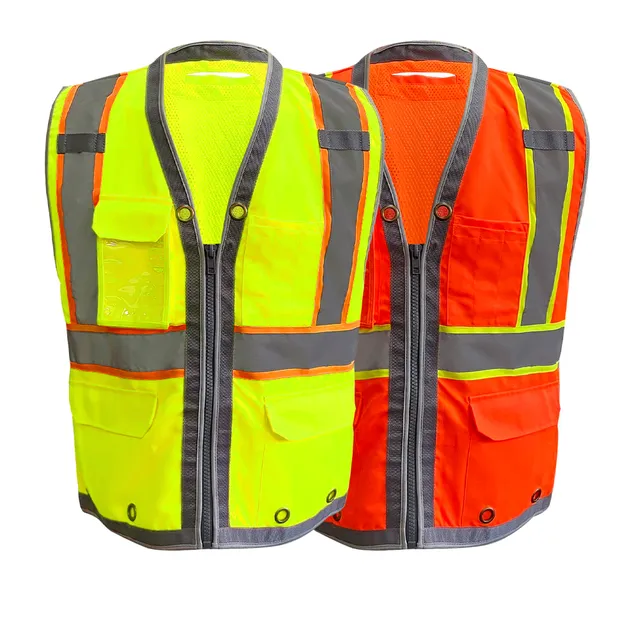
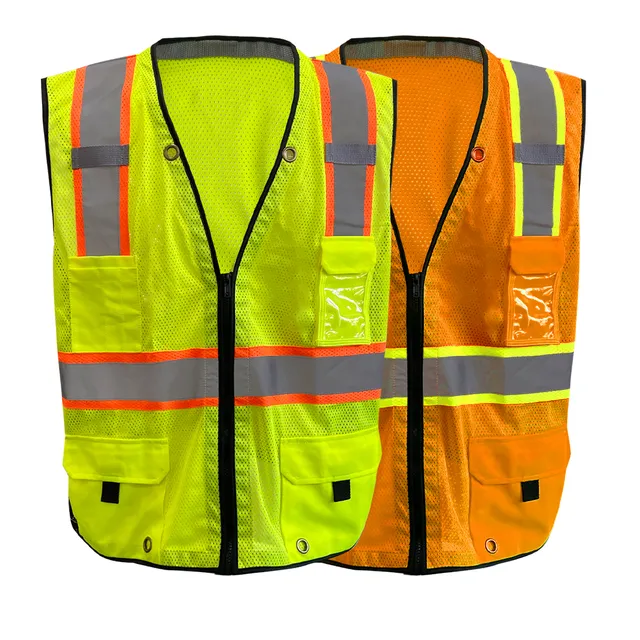
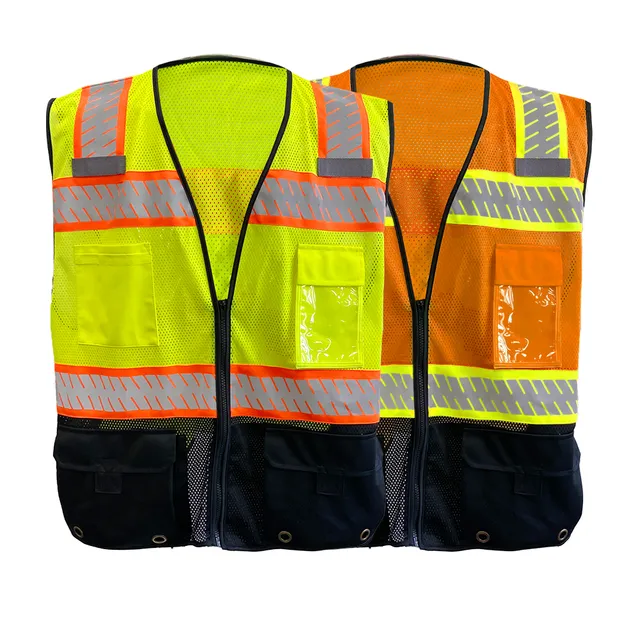
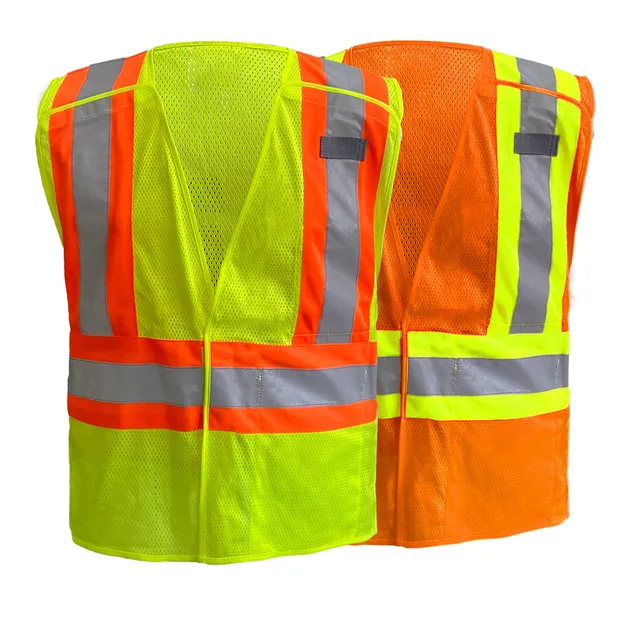
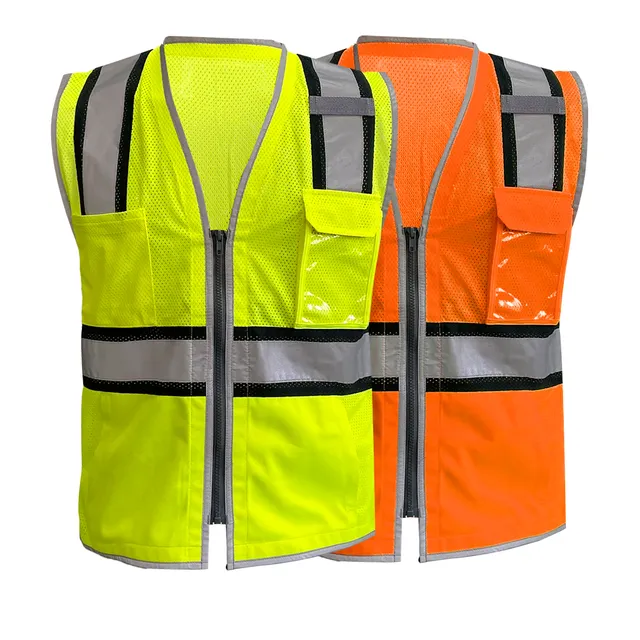
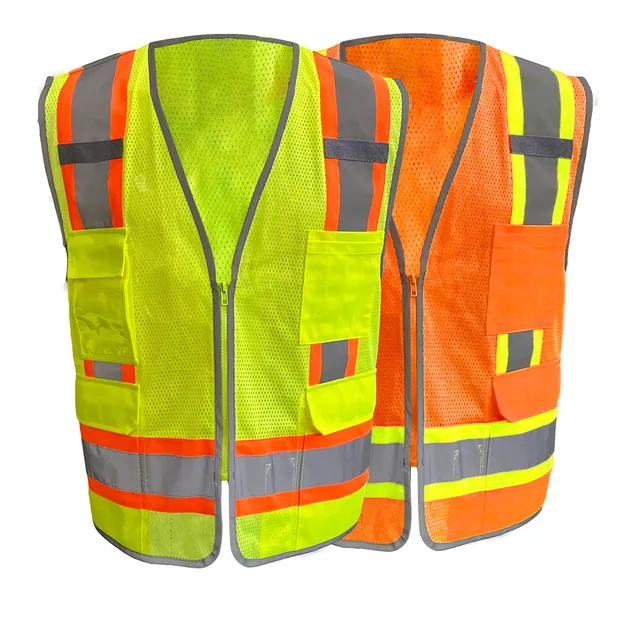
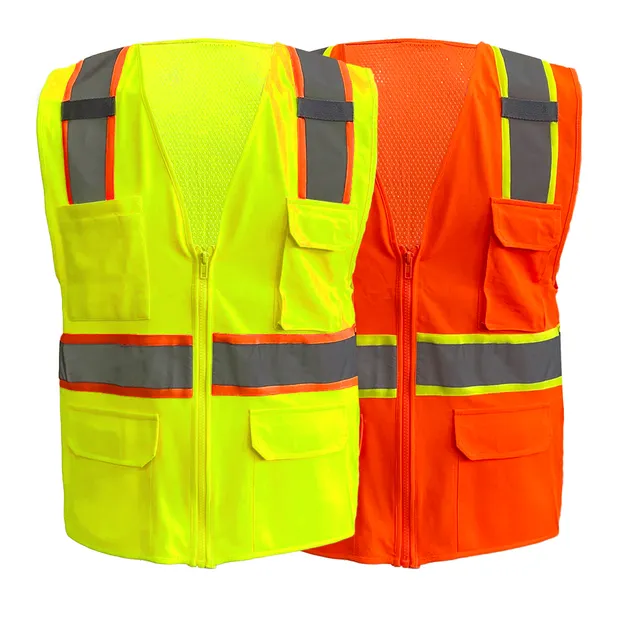
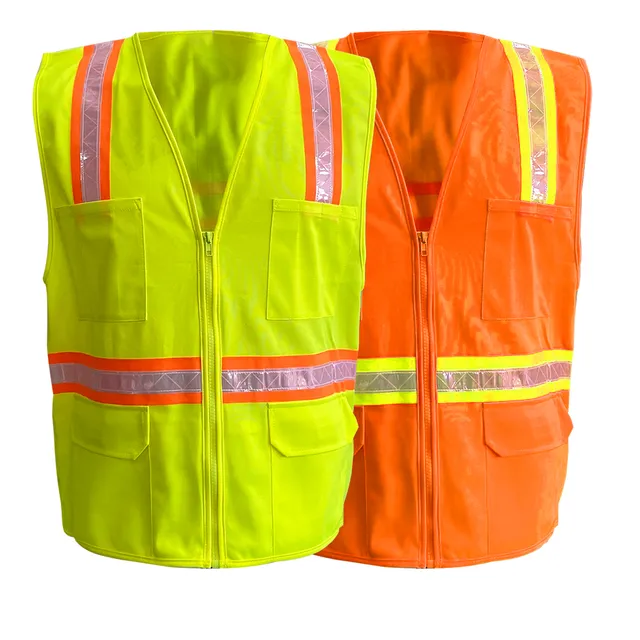
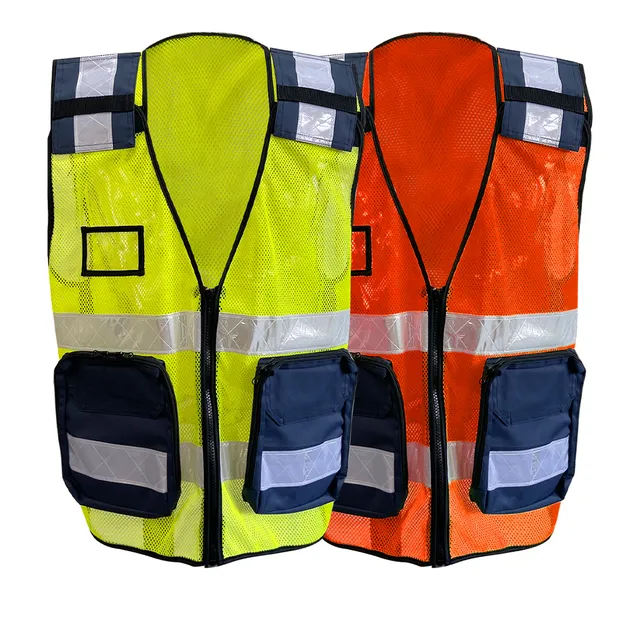
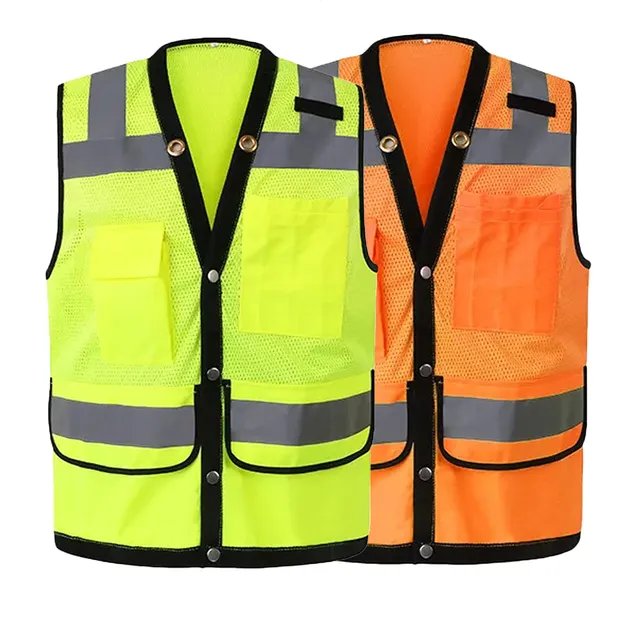
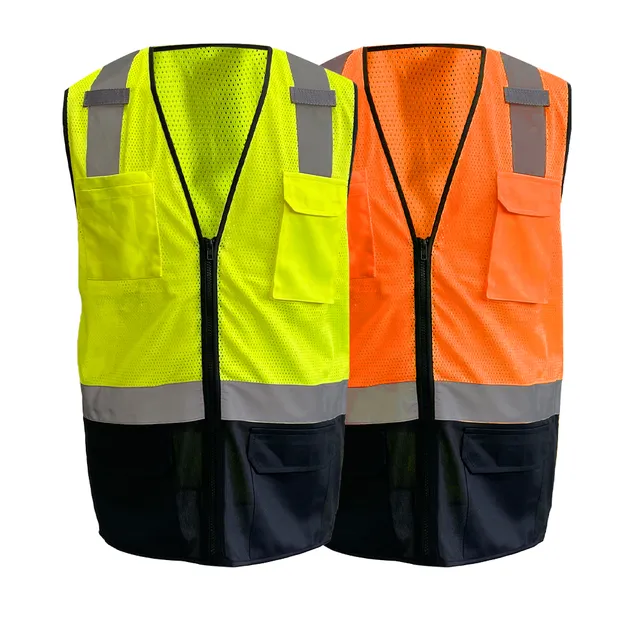
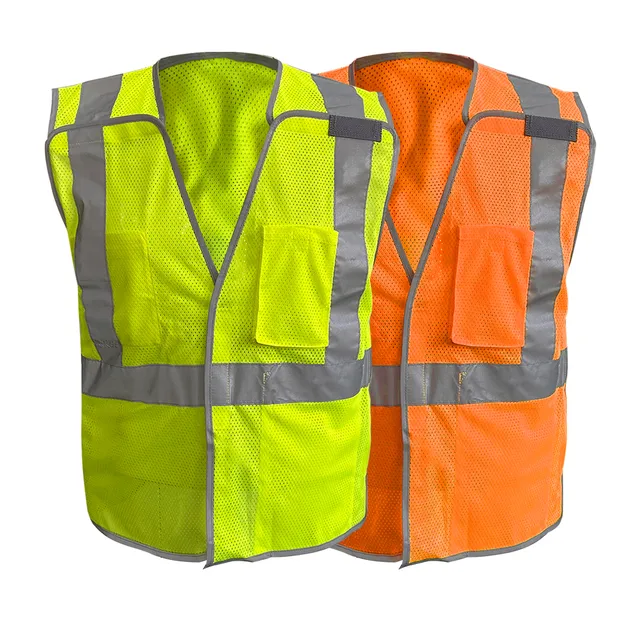
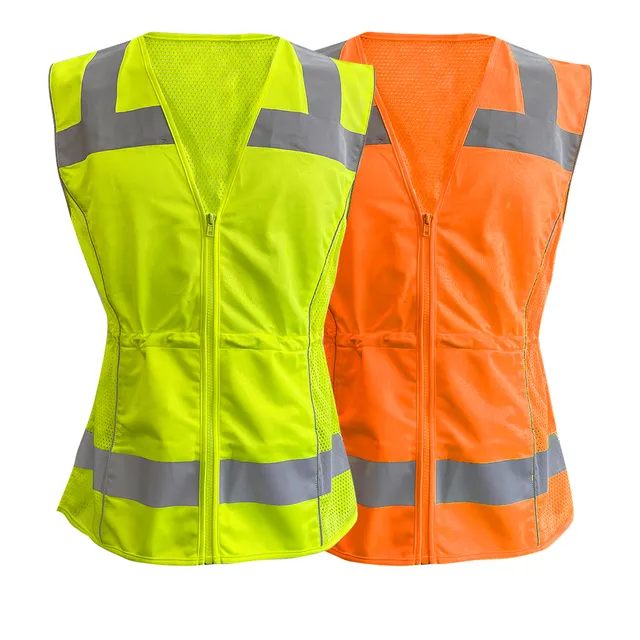
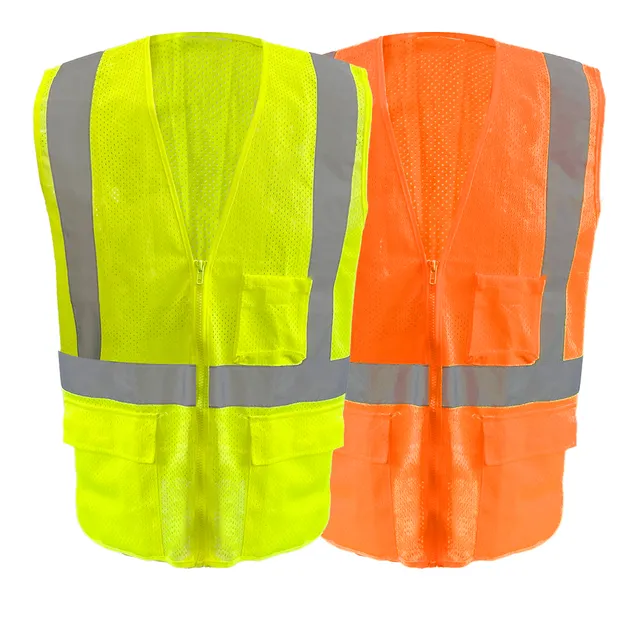





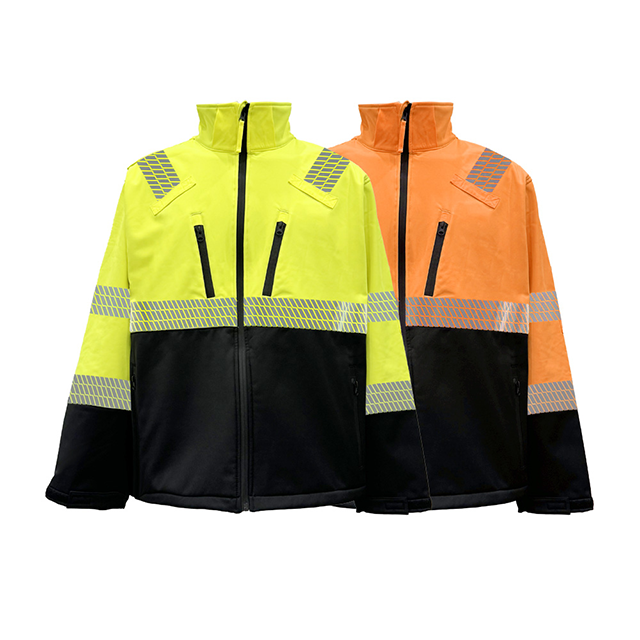


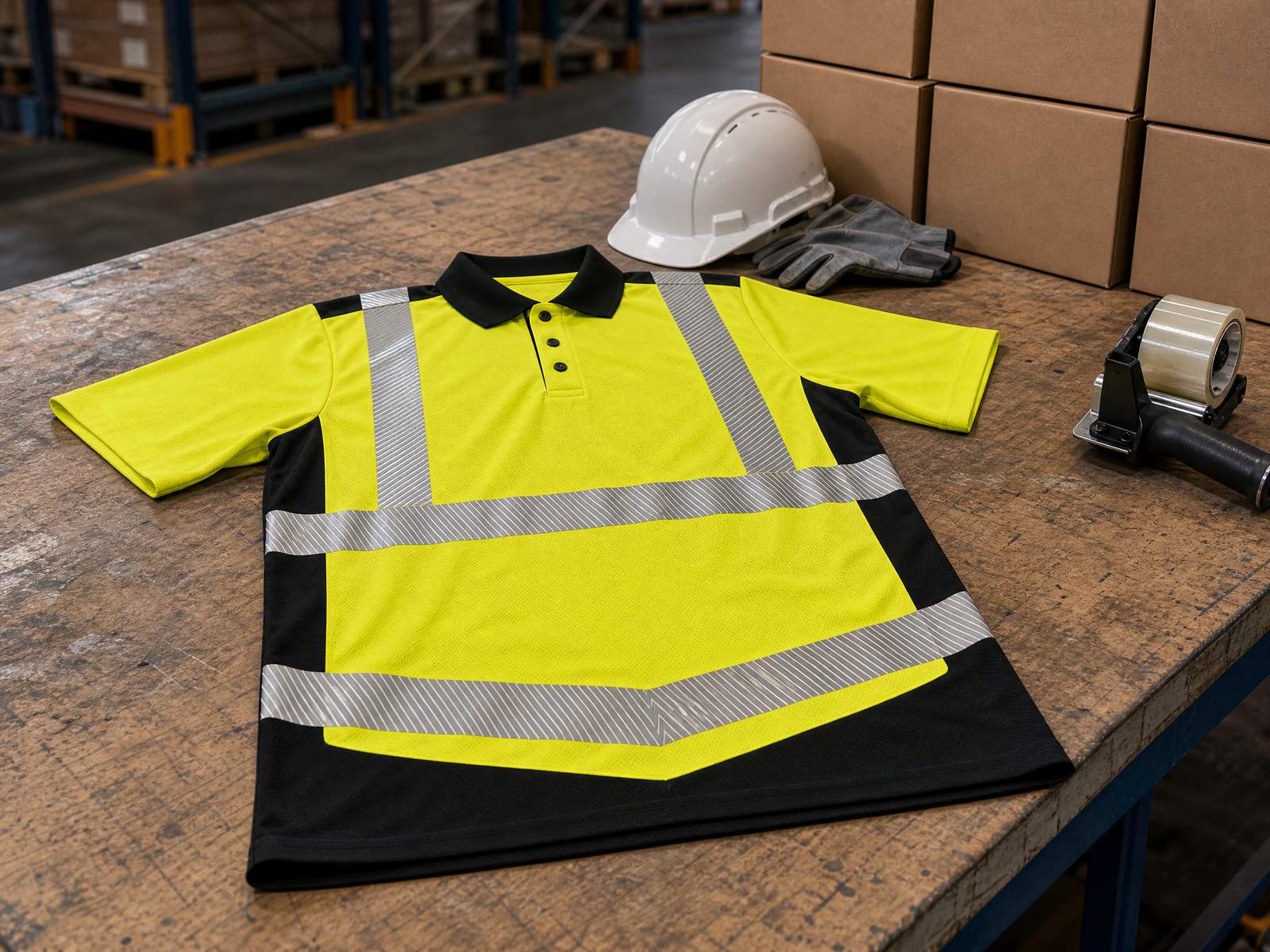
Hi vis vest vs shirt vs jacket is a decision about exposure time and layers, not about price: a vest covers short or intermittent tasks over whatever the crew wears, a shirt covers a full shift in heat, and a jacket covers cold, wind and rain. Buying one type for the whole site leaves half of it in the locker.
Hi Vis Vest vs Shirt vs Jacket: The One-Line Rule
Pick the lightest garment that will stay on for the whole exposure period. A vest taken off because it is hot protects nobody, and every standard assumes the garment is actually worn.
| Hi vis vest vs shirt vs jacket | Vest | Shirt | Jacket |
|---|---|---|---|
| Visibility route | Class 2 over a base layer | Class 2 or 3 on the body | Class 2 or 3, sleeve bands for Class 3 |
| Best for | Short tasks, visitors, hot sites | Full shifts in heat, indoor and outdoor mix | Cold, wind, rain, night work |
| Worn over | T-shirt or uniform | Base layer only | Shirt or fleece |
| Care load | Low, washed weekly | Higher, washed every shift | Lowest, outer layer |
| Cost shape | Lowest unit price, replaced most often | Middle | Highest unit price, longest service life |
| Range risk | Bands shift when worn over heavy layers | Wrong size pulls the chest band out of position | Too warm for three seasons out of four |
What Each Garment Does Best
The three types cover different parts of the same working week rather than competing for one order.
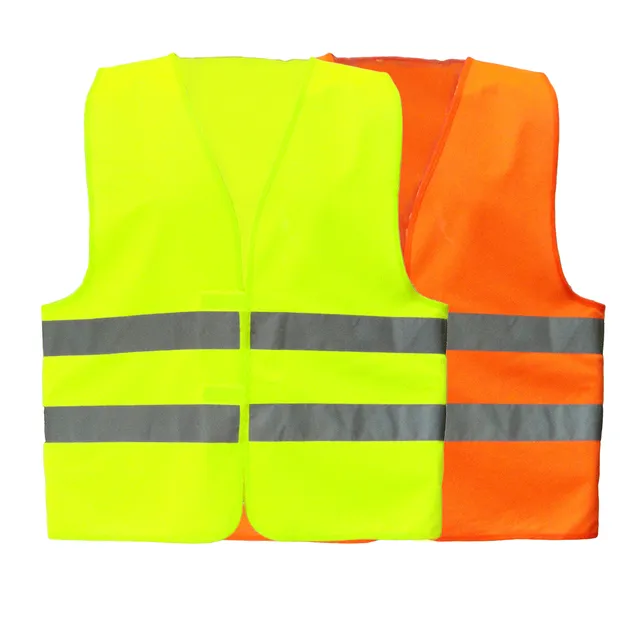
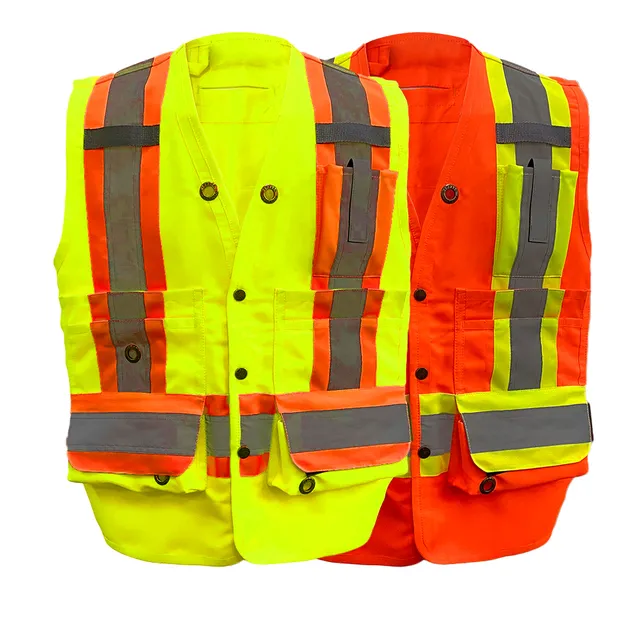
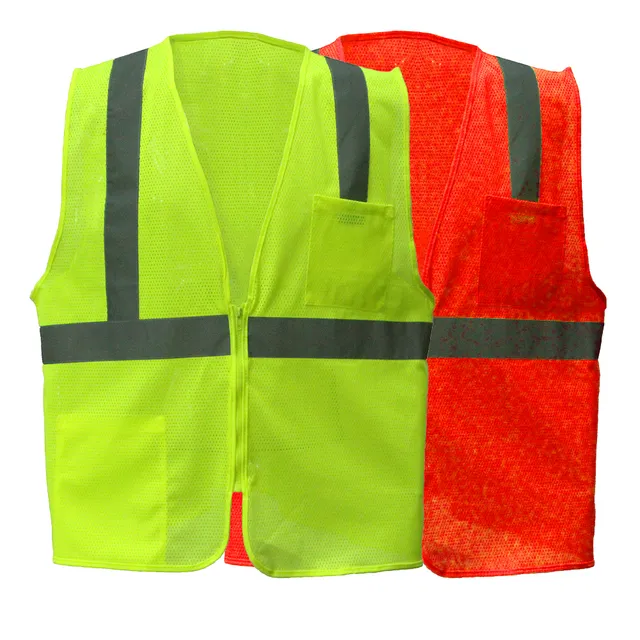
- Vest: Mesh or solid builds reach Class 2 over a t-shirt, pack flat for visitors, and lift visibility across a site at the lowest unit price; our safety vests range covers mesh, multi-pocket and breakaway styles.
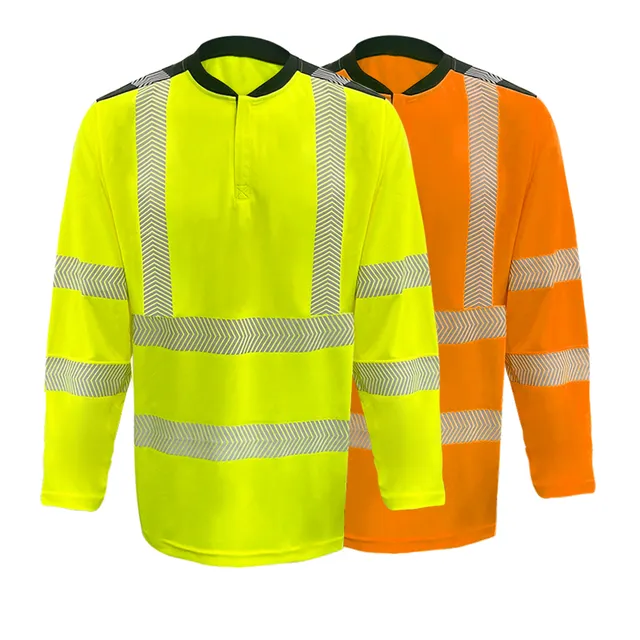
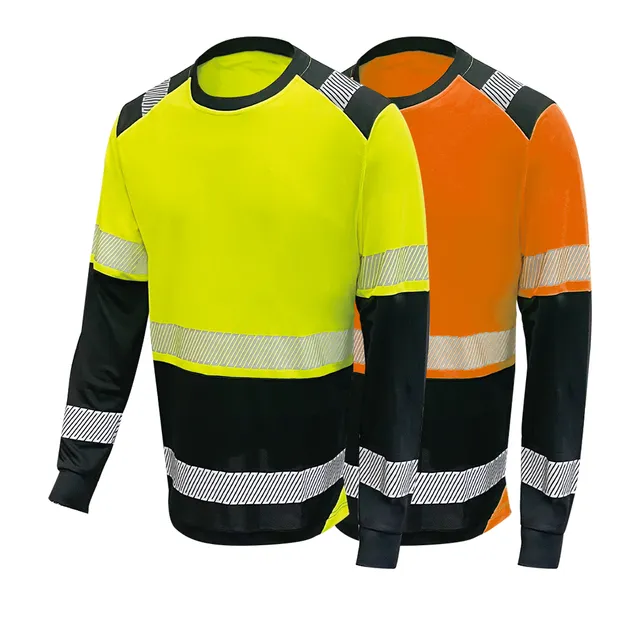
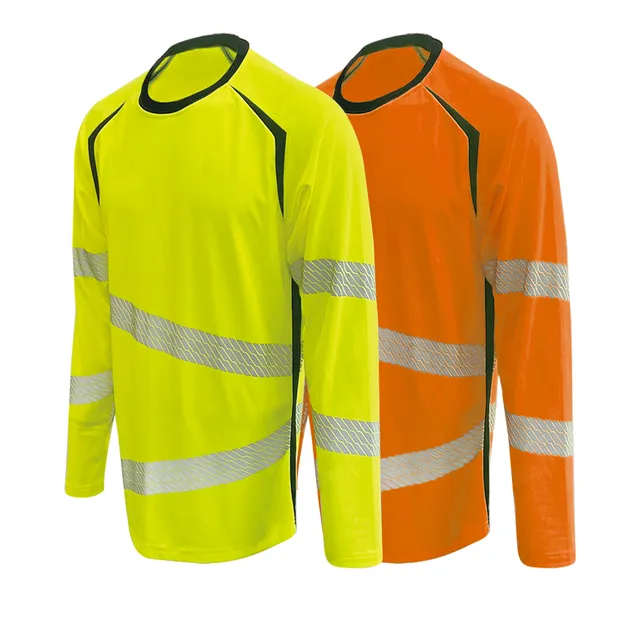
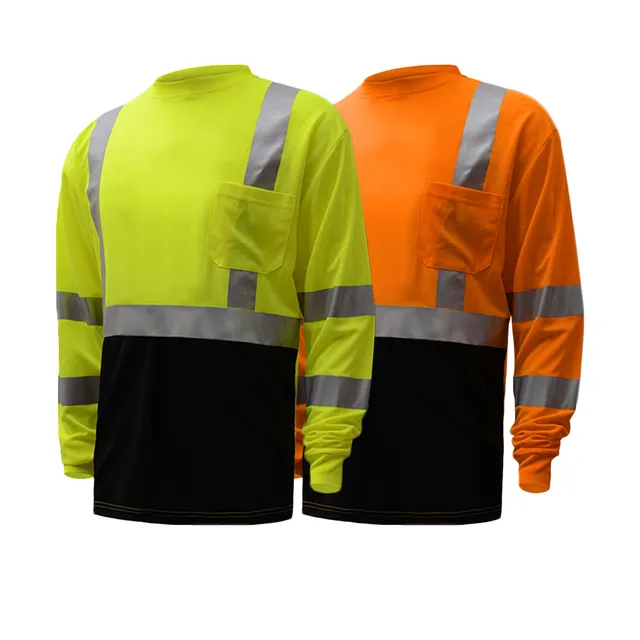
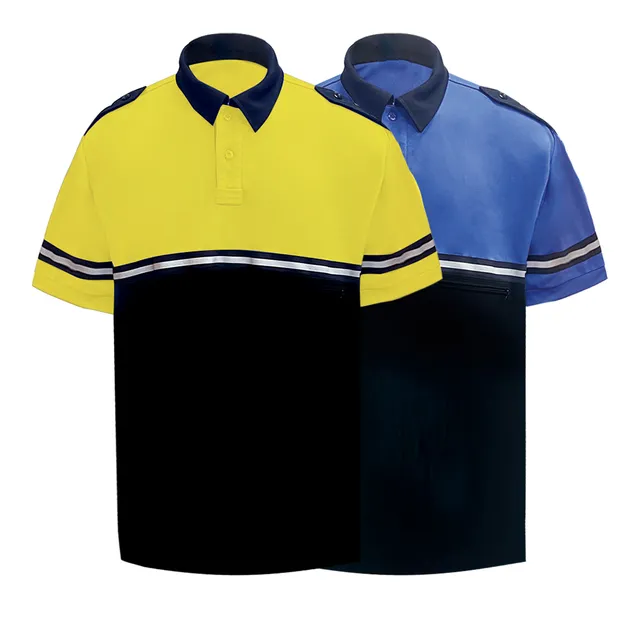
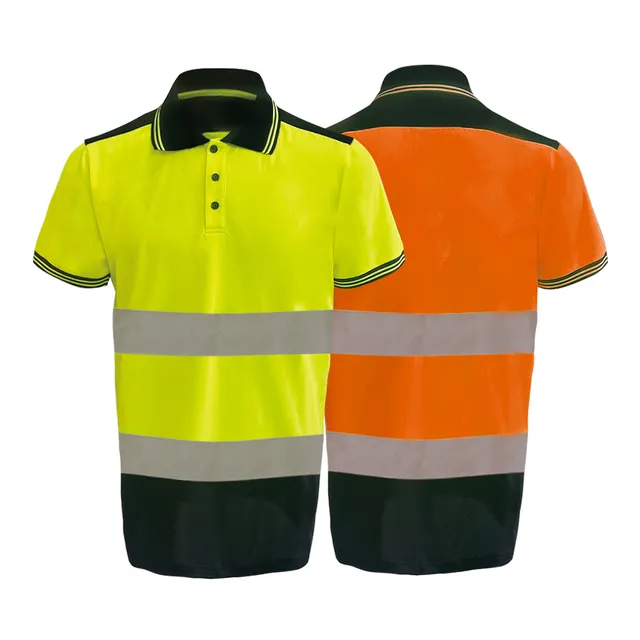
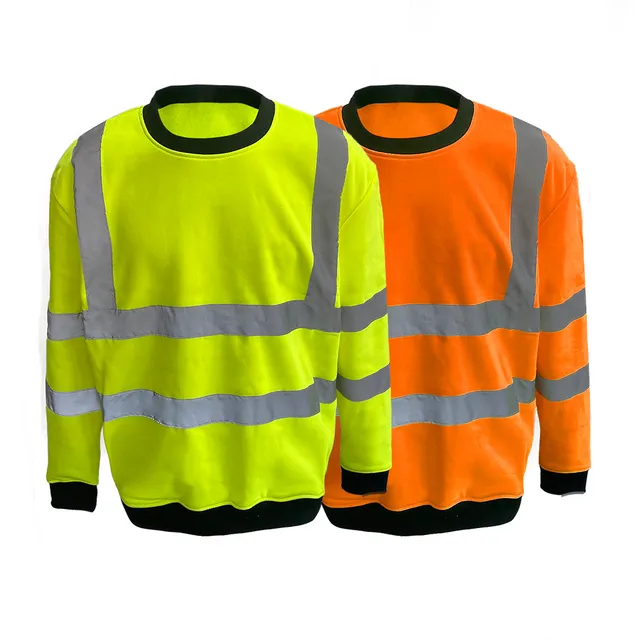
- Shirt: A polo or long-sleeve shirt carries the bands on the body, so they hold position through a full shift and stay wearable in heat; see the hi-vis polo shirts.
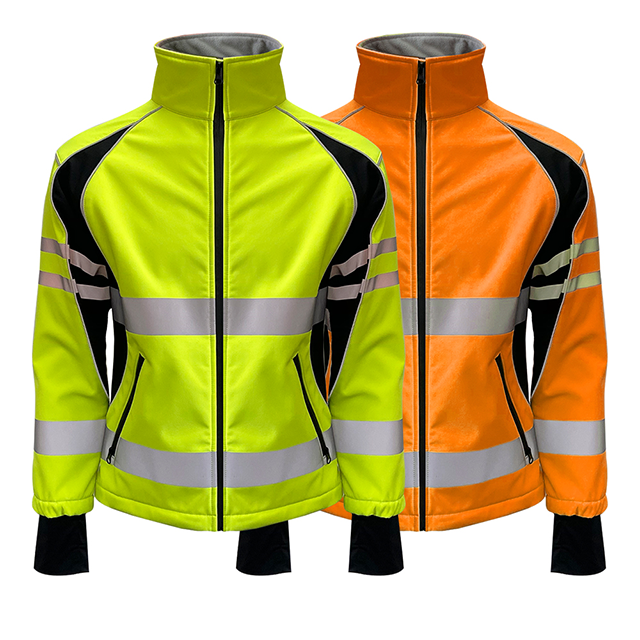
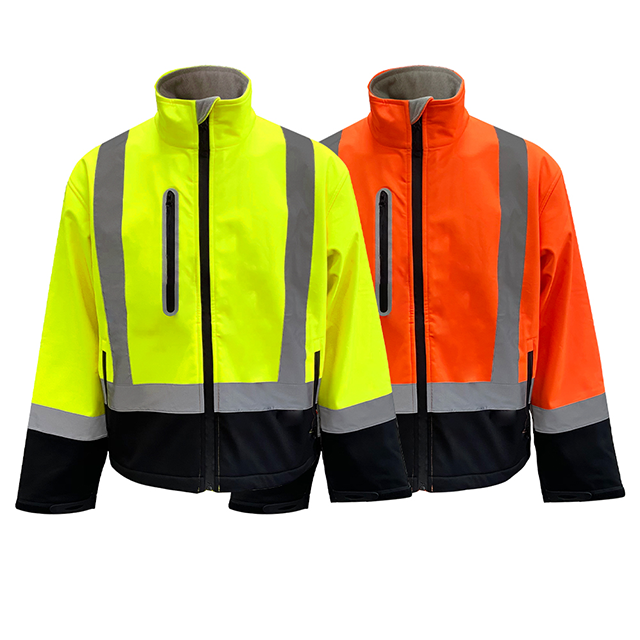
- Jacket: A jacket earns its cost only when weather or shift length needs an outer shell that carries the bands, including sleeve bands where required.
Where the Mix Goes Wrong
Most range errors start with one garment type ordered for everyone. A vest worn over a winter coat shifts the bands away from the torso, and a shirt issued to occasional visitors usually stays at home.
The second error is class rather than type. If the site needs sleeve bands for Class 3, no vest can satisfy it however the order is written, so confirm the class before the garment; our Class 2 vs Class 3 breakdown lists the area each one requires. OSHA does not name a garment type for general work; for flaggers it points to MUTCD Part 6 and the warning garments worn by flaggers that Part 6 requires.
Building a Range That Covers the Shift
Start from the job list, not the catalogue. Write exposure time, layers worn underneath and the coldest shift into the specification, then assign one garment type per job and hold class and tape width steady across all three. That shortens the quotation, because the factory prices one tape specification instead of three.
Need the hi vis vest vs shirt vs jacket split for your crew?
Send the job types, shift length and destination market and we will confirm which garment covers each one. MOQ and lead time are quoted as a range. Our factory in Zhejiang runs OEM production only.
Or send your specification and we will return the split with tape grade and price band.